Water Heater Not Working? DIY Troubleshooting Checklist
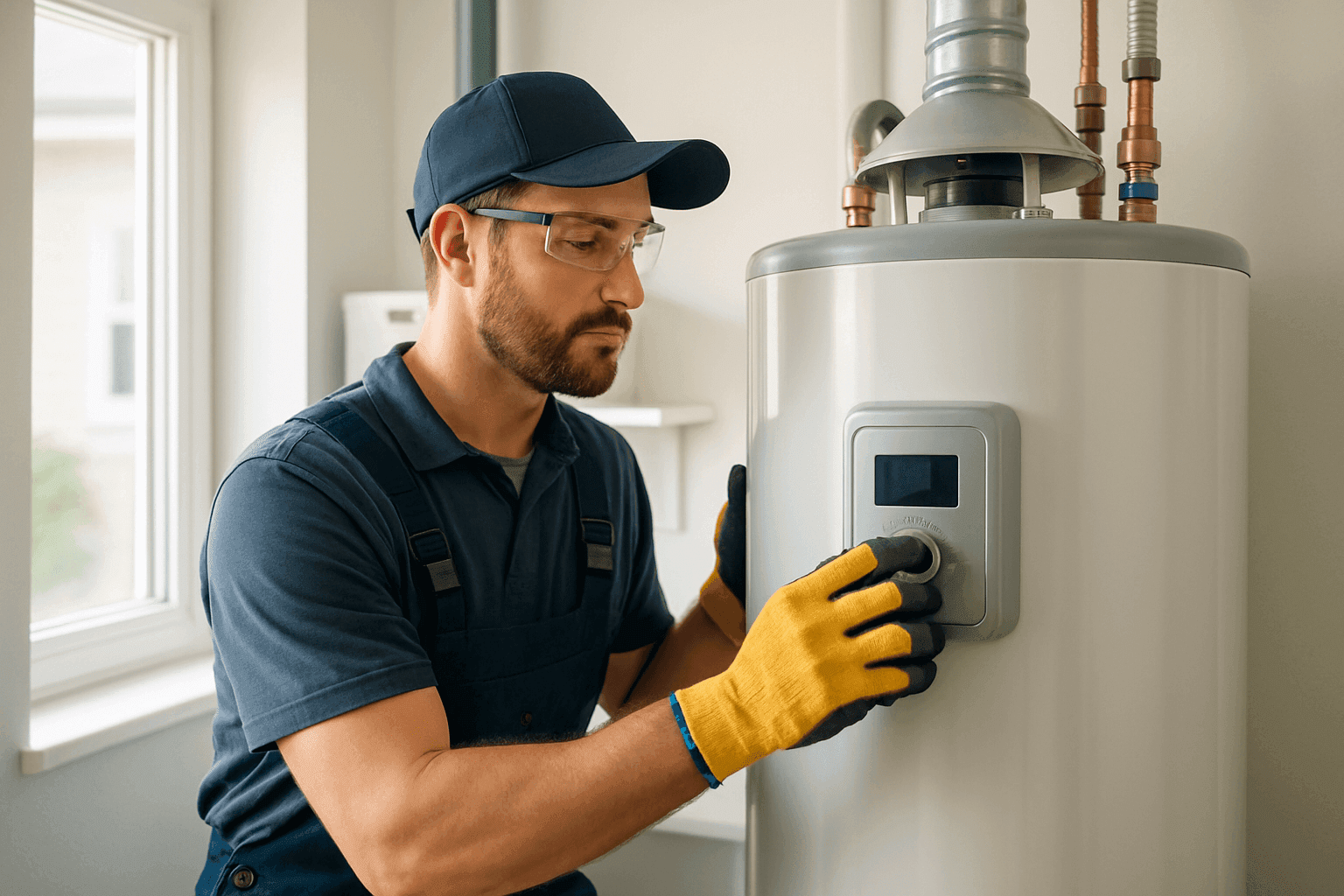
Waking up to a cold shower is nobody’s idea of a good morning. Whether you’re running a busy household or keeping a business open, reliable hot water is essential. When your water heater suddenly stops working, panic sets in fast. But before you start worrying about the worst, know this: many water heater issues can be quickly checked—and sometimes fixed—by following a logical, safe checklist.
At Rafi Plumbing, we handle water heater installation and emergency plumbing around the clock. But we also believe in empowering you with knowledge, so you can spot small problems before they turn into big, expensive ones.
Identify the Problem ❗
Not all water heater failures are the same. Pinpointing the symptom helps you focus your efforts.
Common Signs Something’s Wrong
- No hot water at all (tank or tankless)
- Inconsistent water temperature
- Water leaks beneath or around the heater
- Strange noises—popping, banging, or whistling
- Discolored or rusty water
- Low water pressure
- Pilot light won’t stay lit (gas models)
- Error codes on digital/tankless units
Tip: Check both hot and cold taps. If no water comes from any tap, the issue may be with your main supply, not the water heater.
Quick Safety Checklist ⚠️
Before you touch a single valve or button, safety first. Water heaters deal with high temperatures, pressurized water, electricity, and sometimes gas. Treat them with respect.
- Turn off power: For electric heaters, switch off the breaker. For gas, set the thermostat to “off.”
- Shut off gas supply at the valve, if you smell gas or suspect a leak.
- Let water cool: Hot water can scald in seconds. Wait at least an hour before working with the tank.
- Wear gloves and eye protection: Especially if checking tanks or valves.
- Never open panels or gas lines unless you’re trained. Call for emergency plumbing help in those cases.
Refer to the manufacturer’s instructions and local plumbing codes, like those from the International Association of Plumbing and Mechanical Officials (IAPMO), for any steps you’re unsure about.
DIY Troubleshooting
Let’s break it down by the most common symptoms, and by water heater type.
No Hot Water
Tank-Style Heaters
- Check the breaker: Flip the circuit breaker off and on. Reset if tripped.
- Inspect thermostat: Make sure it’s set to 120°F–140°F. Too low, and you’ll get lukewarm water.
- Verify pilot light: On gas models, look through the window for a steady blue flame. If out, follow the manufacturer’s instructions to relight.
- Listen for tank fill: If you just installed or drained the tank, it could be empty. Open a hot tap—if only cold water comes out, allow the tank to fill.
Tankless Heaters
- Reset the unit: Press the reset button, often located on the front. Wait a few minutes.
- Check for error codes: Most display a number—refer to the manual for meaning.
- Check water and gas supply: Ensure both valves are fully open.
- Flush the unit: Sediment or lime scale can trigger shutdowns. Refer to the manual for flushing steps.
Water Leaks
- Check fittings and valves: Tighten any loose connections (hand tight only—don’t overdo it).
- Inspect the pressure relief valve: A slow drip may indicate normal pressure release, but a constant leak can mean a faulty valve.
- Look for corrosion: Rusty patches on the tank mean it may be time for replacement.
Strange Noises
- Popping or banging: Usually means sediment build-up. Draining a few gallons from the bottom can help (see manual).
- Whistling or hissing: Could indicate a failing heating element (electric) or pressure issues.
Low Water Pressure
- Check for blockages: Sediment in pipes or the heater can restrict flow.
- Check shutoff valves: Make sure they’re fully open.
- Inspect faucet aerators: Sometimes the problem is at the tap, not the heater.
Discolored Water
- Rusty or brown water: Often signals corrosion inside the tank or pipes.
- Milky water: May point to excess air in the system or mineral build-up.
When to Call a Pro 🛠️
Not every problem is a DIY fix. Sometimes, the safest path is to call in emergency plumbing help, especially for:
- Gas leaks: If you smell rotten eggs or hear hissing, leave immediately and call emergency services.
- Major leaks or flooding: Shut off water at the main valve and get help fast.
- Repeated tripped breakers: Could indicate electrical issues or unsafe wiring.
- No hot water after reset: If your unit won’t reset or trips again, it’s time for professional inspection.
- Error codes you don’t understand: Some codes signal dangerous conditions (overheating, venting problems).
Rafi Plumbing’s licensed technicians are trained to handle gas, electric, and hybrid models, and can respond to emergencies 24/7.
What Pros Do On Arrival
A professional plumber:
- Inspects for code compliance: Ensures your installation meets local safety standards.
- Tests all safety valves and controls
- Checks for hidden leaks inside walls or under floors using leak detection tools
- Flushes the tank or descales tankless units safely
- Repairs or replaces faulty parts (thermostats, elements, valves, burners)
- Performs gas safety checks—vital for any gas-fired heater
- Documents findings and recommends next steps
We also offer services like water heater installation near you, repiping, and kitchen or bathroom plumbing upgrades.
Prevention & Maintenance 🧰
Keeping your water heater happy isn’t rocket science. Just a little routine care.
- Flush the tank yearly: Removes sediment and prolongs life.
- Test the pressure relief valve: Do this every 6 months.
- Check for leaks: Look around the base and fittings.
- Insulate older tanks: Helps with efficiency, especially in cold climates.
- Schedule annual maintenance: A professional tune-up catches problems early.
The U.S. Department of Energy recommends setting your water heater to 120°F for safety and efficiency.
Costs & Time Factors
Every repair is different, but here’s what to expect:
- Minor fixes: Resetting, tightening, or replacing a small part—can take 30–60 minutes.
- Major repairs: Replacing heating elements, valves, or fixing leaks—usually 1–3 hours.
- New installation: Can take half a day to a full day, depending on complexity.
- Emergency service: May cost more after hours or weekends.
Remember, ignoring problems can lead to higher costs down the line—think of a slow leak as a ticking clock.
When It’s an Emergency 🚨
Some situations can’t wait:
- Flooding or major leaks
- No hot water in winter, risking frozen pipes
- Gas smell in or around heater
- Electrical sparks or burning smell
If you see, hear, or smell anything dangerous, shut off water and power (if safe), then call for emergency plumbing help right away.
FAQ
Why does my water heater keep turning off?
It could be overheating, a faulty thermostat, or electrical issues. Tankless units may shut off if they detect scale build-up or venting problems.
Is it safe to reset my water heater?
Yes—if you follow the instructions and there’s no sign of flooding, sparking, or gas smell. If it won’t reset, call for help.
How long should a water heater last?
Most last 8–12 years. Tankless models can last 20+ with proper care.
Can I install a water heater myself?
For safety and code compliance, installation is best left to licensed professionals. Mistakes can lead to water damage or worse.
Local & Seasonal Considerations
If you live in a region with hard water, mineral build-up can shorten water heater life. Winter can push heaters harder—insulation and regular checks are key. For commercial spaces, regular backflow testing and maintenance are often required by code. Always check local regulations for specific requirements.
Call Rafi Plumbing now — or reach us anytime at 888-600-0415 .