Emergency Plumbing Guide: What to Do Before Help Arrives
When a pipe bursts or water starts pooling on your floor, heart rates spike. It doesn’t matter if you’re at home with family or running a small business—plumbing emergencies bring stress and big risks. We get it. At Rafi Plumbing, we handle these moments every day, 24/7. Our emergency plumbing team is just a call away, but what you do before help arrives can make all the difference.
This guide gives you actionable steps to keep your property safe, limit damage, and stay calm when things get messy. Whether you’re facing a gushing leak, a failing water heater, or a toilet that won’t stop overflowing, take a breath—we’ll walk you through what to do next.
Initial Steps: Act Fast, Stay Safe
Picture this: Water is spraying from a cracked pipe. What’s your first move? Treat a plumbing emergency like a fire drill—speed matters, but so does doing things in the right order.
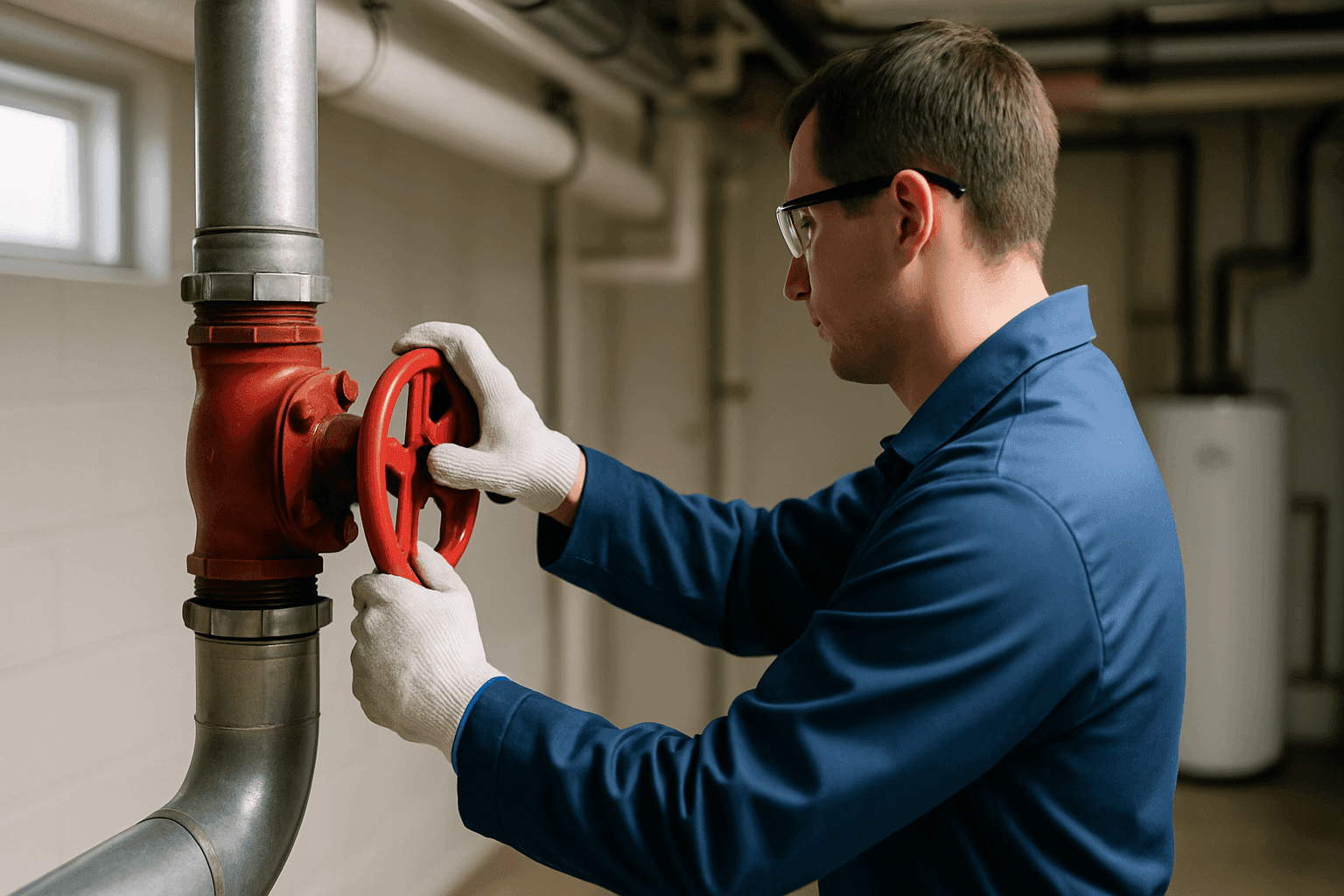
1. Shut Off the Water Supply
- For major leaks or burst pipes, locate your main shutoff valve. In most homes, it’s near the water meter, in basements, garages, or where the main line enters your building. In businesses, look for labeled valves in utility rooms or mechanical closets.
- Turn the valve clockwise (righty-tighty) until it stops.
- For toilet overflows, use the small valve behind the toilet near the floor.
- For sinks, look under the basin for two small shutoff valves (hot and cold).
2. Turn Off Electricity If Needed
- If water is near electrical outlets, appliances, or breaker boxes, shut off power at the main circuit breaker.
- Never step in water to reach the panel—if in doubt, wait for professionals.
3. Contain the Leak
- Use towels, buckets, or pots to collect dripping water.
- Place plastic sheeting or tarps over valuables or electronics.
- Move furniture and personal items away from the affected area.
4. Relieve Pipe Pressure
- After shutting off water, open the lowest faucet in your home or business (usually a basement sink or outdoor spigot). This drains remaining water from pipes and minimizes further leaks.
5. Document the Damage
- Take quick photos or video. This helps with insurance claims and gives your plumber a clear picture of the situation.
Quick Safety Checklist 🛑
- Locate and turn off main water valve
- Shut off electricity if water is near outlets/appliances
- Avoid standing water if power is still on
- Remove sensitive items from wet areas
- Use caution with gas lines—if you smell gas, evacuate and call emergency services
- Call Rafi Plumbing for emergency plumbing help
When to Call a Pro
Some plumbing problems can’t wait. If you see any of the following, pick up the phone—fast:
- Water is pouring or spraying uncontrollably
- Sewage is backing up into sinks, tubs, or basement drains
- Gas smell anywhere near appliances or lines
- No hot water during winter (risk of freeze damage)
- Sump pump failure during a storm
- Any leak near electrical panels or wiring
For urgent repairs like water heater installation near you, sewer line issues, or sump pump repair, don’t try to DIY—these can quickly spiral.
How to Prevent Damage Before Help Arrives
Think of plumbing leaks like spilled milk: the faster you act, the less mess you’ll have to clean up. Here’s how to buy time:
- Keep absorbent towels or rags on hand for quick cleanups.
- Use buckets or bins under active drips.
- Stuff rags into pipe cracks as a temporary plug.
- Prop up furniture on blocks or foil to keep legs dry.
- Open windows or doors to help air out wet rooms and prevent mold.
- If you know the source, avoid using water fixtures (e.g., don’t flush toilets if there’s a sewer backup).
A few minutes of action can mean the difference between a minor hassle and major repairs.
Safety Tips for Homes and Businesses ⚡
Plumbing emergencies don’t just threaten floors—they can impact health and safety too. Keep these tips in mind:
- Never mix water and electricity. Keep extension cords, chargers, and appliances far from water.
- If a gas leak is suspected, evacuate the building immediately. Don’t use phones or switches inside.
- Wear gloves and shoes if you need to move debris or wet items.
- Do not touch sewage backups. These can contain harmful bacteria—wait for professional cleanup.
Refer to local safety codes or the National Fire Protection Association (NFPA) for more on electrical and gas safety.
DIY vs. Call a Pro
Some plumbing issues seem small—until they aren’t. Here’s when you might try a quick fix, and when to wait for Rafi Plumbing:
DIY (if you’re comfortable):
- Tighten loose faucet connections
- Unclog small sink drains with a plunger
- Shut off water to a leaking fixture
Call a Pro:
- Burst pipes or hidden leaks in walls
- Sewer line clogs or backups
- Repeated drain blockages
- Water heater leaks or no hot water
- Gas line concerns or any strange odors
Remember: DIY can be great for drips, but not for disasters.
How to Communicate with Your Plumber
When you call Rafi Plumbing, be ready with:
- A clear description of the problem (where, when, what’s happening)
- Any actions you’ve already taken (shutoff valves used, power off, etc.)
- Photos or video, if possible
- Your exact address and any access instructions (gates, business hours, etc.)
The more details you share, the faster and safer we can help.
What Pros Do On Arrival
Here’s what to expect when our emergency plumbing team arrives:
- Assessment: We’ll check the source of the leak or failure and inspect for hidden damage.
- Containment: Water shutoff, temporary repairs, and damage protection.
- Diagnostics: Use leak detection tools and video cameras for sewer line inspection, if needed.
- Repair or replacement: From pipe repair to sump pump or boiler fixes, we’ll get your system safe again.
- Safety checks: We confirm gas lines, electrical, and water pressure are stable before leaving.
Our technicians follow state and local plumbing codes, so you can trust the work is done right.
Prevention & Maintenance
A storm or freeze can turn a tiny crack into a big headache. Here’s how you can stay ahead:
- Schedule annual inspections for water heaters, sump pumps, and backflow prevention systems.
- Insulate pipes in basements, crawlspaces, and exterior walls—especially before winter.
- Install water alarms near hot water heaters, boilers, and basement drains.
- Know where all shutoff valves are located (label them if needed).
- Test sump pumps before heavy rains or spring thaw.
The Insurance Institute for Business & Home Safety recommends these steps to lower risk and insurance headaches.
Costs & Time Factors
Plumbing emergencies don’t just stress you out—they can hit your wallet. Here’s what affects the cost:
- Severity of the leak or damage
- Parts and materials needed (pipe, fittings, fixtures)
- Access to the problem area (behind walls, under slabs)
- Time of service (after-hours or holidays may cost more)
- Cleanup and restoration required
Most emergency plumbing calls are resolved within a few hours. But major repairs, water heater installation, or repiping can take longer. Our team will always walk you through options before starting work.
When It’s an Emergency
Not every drip is a disaster, but here’s when you shouldn’t wait:
- Water is spreading fast, or you can’t stop the leak
- Multiple drains are backing up at once
- Smell of gas anywhere in the building
- No water or no hot water in freezing temps
- Flooding near electrical panels
In these cases, call Rafi Plumbing right away. Delaying can lead to structural damage, mold, or health hazards.
FAQ
Q: How do I find my main water shutoff valve?
A: In most homes, look where the water line enters your building—often in a basement, utility closet, or near the water meter. In commercial spaces, check mechanical rooms or behind access panels. Some regions place them in exterior meter boxes.
Q: Can I use drain cleaner for a clog?
A: Chemical drain cleaners can damage pipes and often make things worse. For tough clogs, use a plunger or call Rafi Plumbing for safe, professional drain cleaning.
Q: What if my pipes freeze?
A: Turn off the main water and apply gentle heat (hair dryer, warm towels) to the frozen section. Never use open flames. If a pipe bursts, call us immediately.
Local/Seasonal Considerations 🌨️
Storms and freezes put extra pressure on plumbing. In colder climates, insulate exposed pipes and disconnect outdoor hoses before the first freeze. After heavy rains, check your sump pump and clear outdoor drains of debris.
In some regions, main shutoff valves may be outside—know whether you need a special tool to access yours. If you’re not sure, ask Rafi Plumbing during a routine maintenance visit.
Final Thoughts
Plumbing emergencies rarely happen at a “good” time, but quick action can keep things under control. Know your shutoff valves, act fast, and always put safety first. For everything else, Rafi Plumbing is here—day or night, rain or shine.
Call Rafi Plumbing now — or reach us anytime at 888-600-0415 .