How to Prevent Costly Water Heater Failures Year-Round
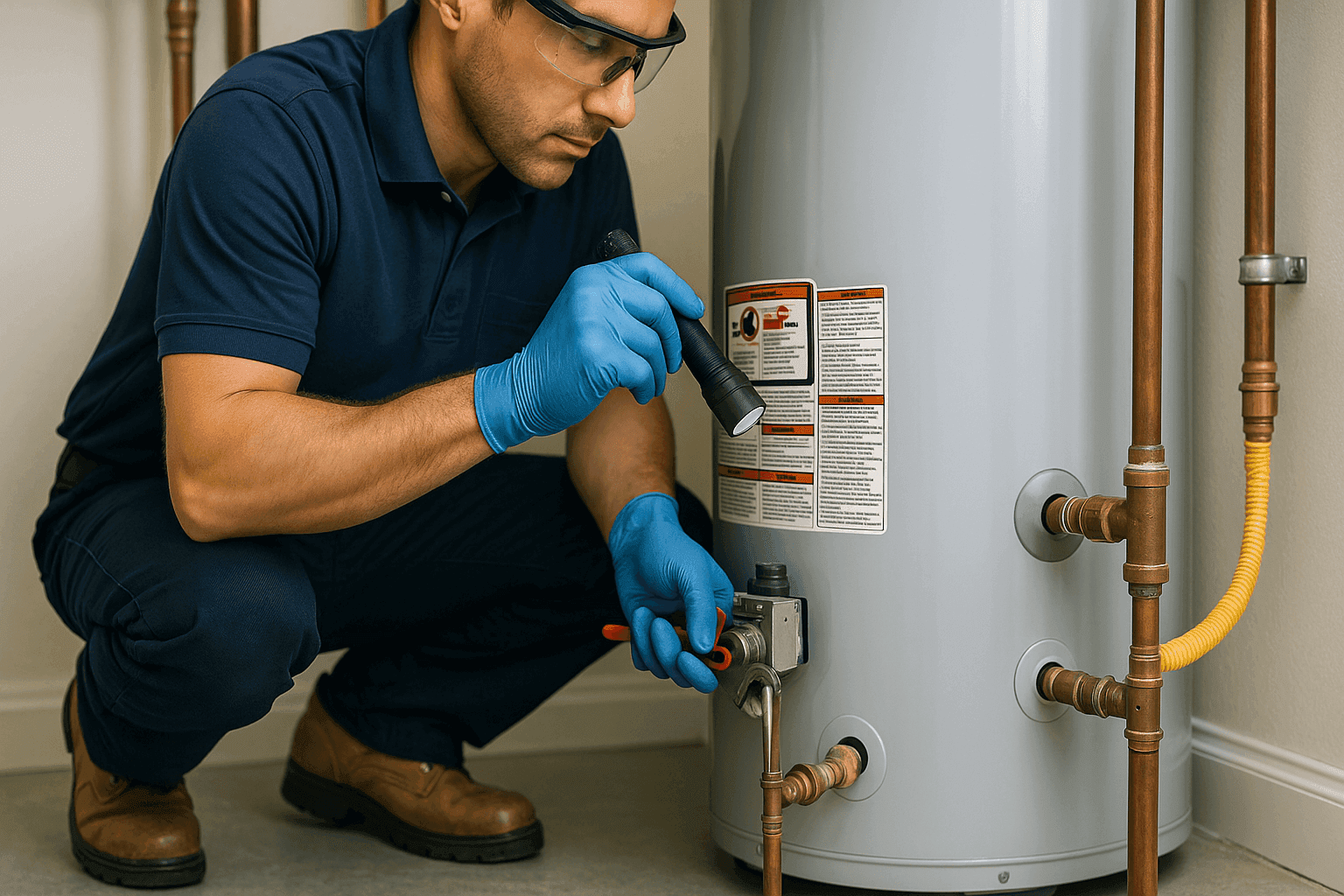
Is your water heater quietly ticking away, out of sight and out of mind? Most of us don’t think about it—until a cold shower or enormous repair bill brings it front and center. But here’s the truth: a little care goes a long way.
At Rafi Plumbing, we’ve seen firsthand what happens when water heaters are neglected. From burst tanks flooding basements to business downtime from surprise leaks, one thing’s clear—prevention is way cheaper than repairs.
Why Maintenance Matters 🛠️
Picture your water heater as a silent workhorse, always on call. Like any machine, it needs regular tune-ups. Without routine care, mineral scale builds up, valves corrode, and parts fail—often at the worst possible time.
Risks of Neglect:
- Flooding: A ruptured tank can soak carpet, walls, and valuables.
- High Energy Bills: Sediment forces your heater to work harder, spiking costs.
- Shortened Lifespan: Tanks and tankless models alike wear out years sooner.
- Safety Hazards: Gas leaks and failed pressure relief valves are real dangers.
- Business Interruptions: For commercial spaces, a failed heater disrupts operations, frustrates tenants, and can even violate code.
According to manufacturer guidelines (like those from Bradford White and AO Smith), annual maintenance isn’t just suggested—it’s required to keep warranties valid.
DIY Water Heater Checks
Some upkeep is simple enough for homeowners or maintenance staff. You don’t need a toolbox the size of a truck—just attention to detail and a bit of time.
Quick Safety Checklist
- Check for leaks: Look under and around the unit every month.
- Listen: Popping noises or rumbling? Sediment may be building up.
- Feel for heat: The tank exterior should never be hot to the touch.
- Test the pressure relief valve: Gently lift and release the lever. Water should discharge, then stop.
- Inspect connections: Make sure pipes and fittings are tight and free from corrosion.
- Monitor water color: Rusty water from hot taps is a warning sign.
Tip: For electric heaters, always turn off the power before working. For gas models, switch the thermostat to “pilot.”
Don’t Forget Tankless Models
Tankless (“on-demand”) heaters have their own needs:
- Descale annually to prevent mineral buildup.
- Check air intake/exhaust vents for blockages.
- Monitor error codes on the display.
When to Call a Pro
Some warning signs mean it’s time to call for emergency plumbing help:
- Water pooling under the heater
- No hot water, or wildly fluctuating temps
- Visible rust or corrosion
- Strange smells—especially gas
- Pilot won’t stay lit, or frequent error codes
Rafi Plumbing’s team brings tools, training, and a careful eye. We handle both residential and commercial water heater installation near you, ensuring every detail follows current plumbing codes and safety standards.
Seasonal Considerations 🌡️
Each season brings its own challenges for water heaters—especially in regions with freezing winters or sweltering summers.
Spring & Fall: Tune-Up Time
- Flush the tank: Sediment settles over time, insulating the heating element and stressing the system. Drain a few gallons until clear.
- Check the anode rod: This “sacrificial” rod protects against rust. If it’s less than half an inch thick, replace it.
- Inspect the thermostat: Make sure it’s set between 120–130°F for safety and efficiency.
- Test the pressure relief valve: Critical for avoiding dangerous pressure build-ups.
Summer: Watch for Overuse
- Vacation rentals, hotels, and offices often see peak demand. Inspect for leaks and temperature issues before guests or staff arrive.
Winter: Protect from Freezing
- Insulate pipes in unheated spaces.
- For tankless units, ensure outside vents stay clear of snow or ice.
DIY Water Heater Checks
You can catch small problems before they become big headaches. Here’s how:
Monthly To-Do List
- Visual inspection: Look for leaks, rust, or drips.
- Listen: Odd sounds during heating cycles.
- Smell: Any gas odor is urgent—evacuate and call for help.
Annual Tasks
- Flush sediment: As described above.
- Check valves and anode rod.
- Test all safety features.
Note: Always follow your manufacturer’s manual for specific instructions.
When to Call a Pro
Not everything is safe for DIY. Call Rafi Plumbing if you notice:
- Persistent leaks
- Visible corrosion
- Discolored water
- Sudden drops in water pressure
- No hot water after resetting breakers or relighting the pilot
For commercial properties, regular professional maintenance is essential. It’s not just about comfort—it’s about compliance with safety codes and avoiding costly downtime.
What Pros Do On Arrival
When you book a Rafi Plumbing visit, here’s what to expect:
- Thorough inspection: We check tank integrity, connections, and all safety devices.
- Flush and descale: Removes built-up minerals and debris.
- Test controls and valves: Safety first—especially pressure relief.
- Check thermostat calibration: Ensures accurate, safe temps.
- Replace worn parts: Like anode rods, gaskets, or heating elements.
We follow standards from sources like the International Association of Plumbing and Mechanical Officials (IAPMO) and local building codes—protecting you, your property, and your investment.
Prevention & Maintenance
Want your water heater to last? Make these habits part of your routine:
- Annual professional checkup
- Seasonal flushing and inspection
- Prompt attention to drips or temperature swings
- Keep the area around the heater clear—no clutter or chemicals nearby
- Document service visits for warranty and insurance purposes
A well-maintained unit can serve you for a decade or more. Neglect? You could face replacement in half that time.
Costs & Time Factors
How much does maintenance cost? It’s usually a fraction of a replacement or major repair. A typical annual service takes 60–90 minutes, depending on access and model.
- Residential checks: Simple and quick if caught early.
- Commercial service: May take longer—especially with multiple units or complex systems.
Ignoring upkeep can mean:
- Higher bills
- Water damage restoration
- Emergency plumbing calls—often at night or on weekends
When It’s an Emergency 🚨
Sometimes you can’t wait. Call for immediate help if:
- There’s water leaking from the tank or pipes
- You smell gas
- The unit is making loud banging or popping noises
- No hot water at all during business hours or in a multi-unit building
Quick action can save thousands in property damage or lost revenue.
FAQ
How often should I flush my water heater?
Most manufacturers recommend flushing at least once a year. More often if you have hard water.
What is an anode rod and why does it matter?
The anode rod attracts minerals that would otherwise rust your tank. Replace it every 2–5 years, or when worn down.
Is maintenance different for tankless units?
Yes. Tankless heaters need annual descaling and vent checks, plus error code monitoring.
Can I inspect the heater myself?
Basic checks are safe for most owners, but deeper work—especially involving gas or electrical systems—should be left to trained pros.
Local/Seasonal Considerations
Every region is different, but the basics remain the same. In cold climates, freezing pipes and overworked heaters are common. In humid areas, rust and corrosion strike faster. For businesses, seasonal spikes in occupancy demand pre-emptive checks before peak times.
Rafi Plumbing tailors maintenance to your property’s needs—residential or commercial, tank or tankless, we’re ready to help.
Keep your hot water flowing and your property protected. Call Rafi Plumbing now — or reach us anytime at 888-600-0415 .