Sump Pump Repair: How to Spot Trouble Before Floods Happen
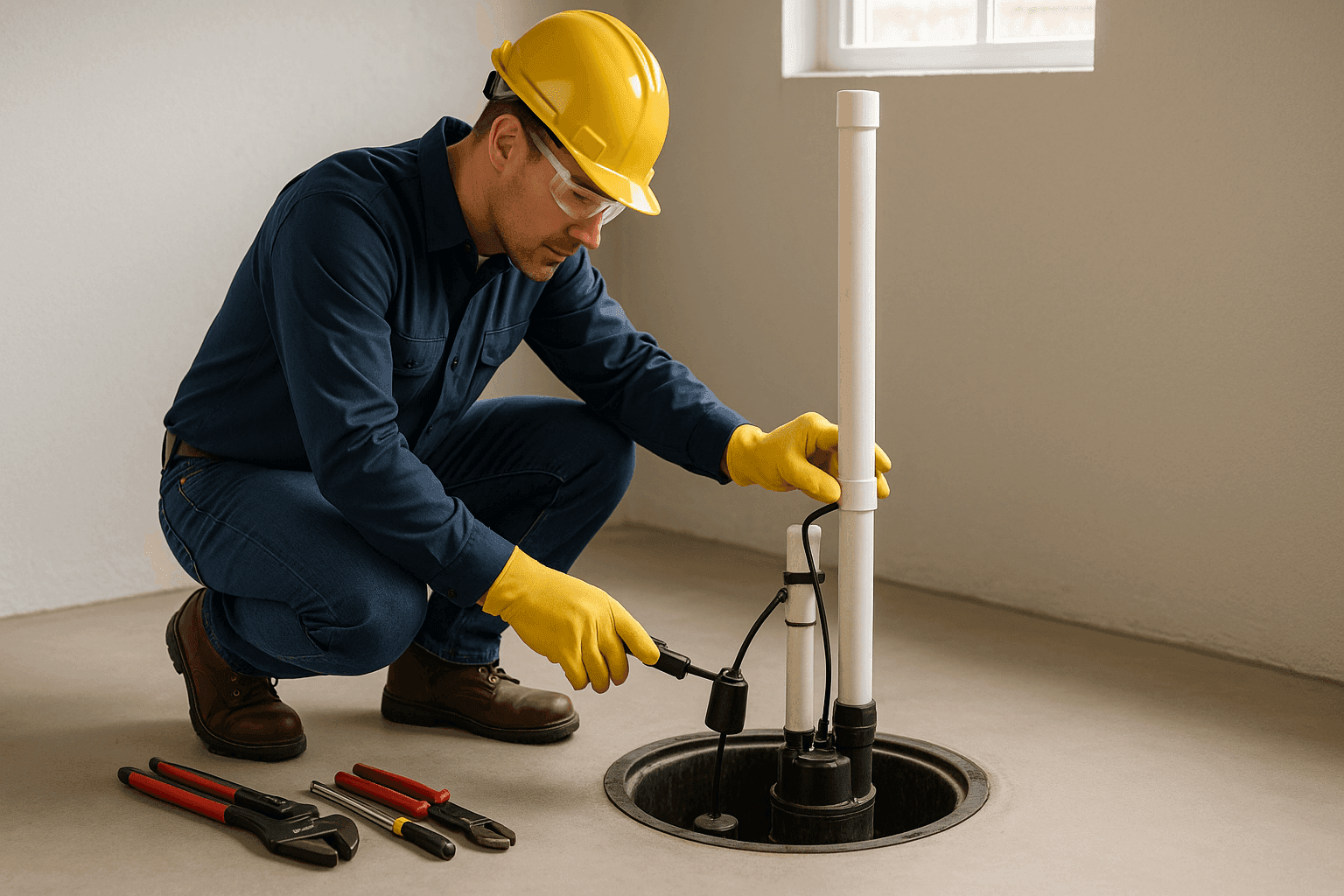
Is your basement safe from the next big storm? When rain pounds down, a working sump pump is your silent hero—until something goes wrong. Then, water creeps past, puddles form, and damage racks up fast. Most folks don’t think about their sump pump until they’re ankle-deep in regret.
At Rafi Plumbing, we know that a few early warning signs can spare you a major headache (and a hefty bill). Let’s walk through exactly what to look for, what to check yourself, and when to call for emergency plumbing help.
Sump Pump Basics 🔧
A sump pump is simple but powerful. Picture it as a goalie in your basement, kicking water away before it can score—keeping your property dry and safe. Typically installed in a pit at the lowest point of your basement or crawl space, it turns on when water rises and pumps it out to a safe place.
- Residential & commercial buildings: Both need sump pumps—especially in flood-prone areas.
- Lifespan: Most last about 7–10 years, but only if maintained.
- Power source: Most are electric. Some have battery backups for storms that knock out power.
A healthy sump pump means less risk of mold, ruined floors, or costly repairs. But even the best goalie needs backup sometimes.
Warning Signs Your Sump Pump Is in Trouble
Think of sump pump trouble like a car’s dashboard warning light—it’s easy to ignore until you’re stuck on the side of the road. Here are the most common red flags:
1. Unusual Noises
- Grinding, rattling, or thumping: Usually means something’s loose or worn out.
- Constant humming: Motor may be struggling, or there could be a clog.
2. Frequent Cycling
- Turns on and off rapidly: Float switch might be stuck, or your pit could be too small.
- Runs when dry: Bad switch or faulty wiring.
3. Visible Rust or Corrosion
- Orange stains or flaky parts: Metal parts can rust—especially with hard water or chemicals.
4. Water Backup or Pooling
- Standing water: Means the pump is not working, or pipes are blocked.
5. Smells & Mold
- Musty odor: Stale water and poor drainage invite mold.
6. Power Issues
- Pump won’t start: Check outlets, cords, and circuit breakers. Storms often trip breakers or cause outages.
If you catch any of these, don’t wait. Quick action saves money and stress.
DIY vs. Pro Repair
Some things you can check yourself. For others, it’s time to call in a pro like Rafi Plumbing, especially with emergency plumbing needs.
DIY Checks
- Test the pump: Pour a bucket of water into the pit. It should trigger and drain quickly.
- Check the power: Make sure it’s plugged in and breaker is on.
- Look for debris: Clear leaves, dirt, or small objects from the pit.
- Inspect the float: Make sure it moves up and down freely.
These steps are like a pre-flight check—easy, quick, and can prevent disaster.
When to Call for Help
- Strange noises persist
- Unit doesn’t turn on, even with power
- Water isn’t draining or backs up
- Rust, corrosion, or wiring damage
- Frequent failures, especially during storms
A pro’s trained eye can spot hidden issues and prevent repeat problems. With services like Water Heater Installation near you, leak detection, and more, Rafi Plumbing keeps your whole system safe.
Flood Prevention Tips
A little planning goes a long way. Here’s how to boost your sump pump’s reliability, especially before heavy rains:
- Test monthly: Pour water in and watch the pump cycle.
- Clean the pit: Every few months, scoop out debris.
- Check discharge lines: Make sure they aren’t frozen, crushed, or blocked outside.
- Install a battery backup: Keeps the pump running during power outages.
- Schedule yearly inspections: Professional preventative maintenance spots trouble early.
The National Association of Home Builders recommends regular sump pump checks, especially in spring and fall. Your insurance company may, too.
DIY vs. Pro Repair: What’s Safe, What’s Not?
It’s tempting to tinker, but sump pumps mix water and electricity—a risky combo.
Safe for Homeowners
- Testing with water
- Checking for obvious clogs
- Inspecting the float
Leave to the Pros
- Replacing or rewiring electrical parts
- Fixing persistent leaks or corrosion
- Diagnosing repeated cycling or motor issues
- Installing or repiping discharge lines
If you’re unsure, don’t risk it. Emergency plumbing calls can mean the difference between a dry basement and a disaster.
How Pros Handle Sump Pump Service
When Rafi Plumbing arrives, here’s what you can expect:
- Thorough inspection: We check the pit, pump, float, discharge, and power supply.
- Functional test: We run the pump and watch for leaks, slow drainage, or odd noises.
- Electrical check: Ensuring safe, proper wiring and outlets.
- Pipe & valve exam: Looking for blockages or backflow issues using code-compliant techniques.
- Repairs or replacement: We’ll install new parts or recommend a full unit swap if needed.
We follow guidelines from the International Association of Plumbing and Mechanical Officials for every repair. Your safety comes first.
Flood Season: Why Timing Matters ⛈️
Storms don’t care if you’re ready. Sump pump failures spike during heavy rains and spring melts. That’s when emergency plumbing services like ours work around the clock.
- Act before the storm: Don’t wait for the forecast to turn ugly.
- Schedule spring and fall checkups: Catch problems before the wettest months.
If your sump pump fails during a storm, call immediately. Water damage doubles every hour it sits.
FAQ: Sump Pump Repair & Flood Prevention
How long should a sump pump run after a storm?
A healthy pump may run for hours after heavy rain but shouldn’t run non-stop. If it does, something’s wrong.
Is battery backup worth it?
Absolutely. Power outages often hit during storms—the exact time you need your pump most.
Can I install a sump pump myself?
Some handy homeowners can, but code requirements and electrical work usually call for professional installation. Rafi Plumbing handles everything from pump setup to Water Heater Installation near you.
What’s the #1 cause of sump pump failure?
Power loss and stuck switches top the list. Regular checks catch both early.
Local & Seasonal Considerations
Whether you’re in a high water table area or your business sits on low ground, sump pump issues can strike anywhere. Seasonal shifts—spring melts, summer storms, even frozen discharge pipes in winter—raise the risk. Commercial properties, with larger pits and pumps, require special attention during rainy seasons.
If your area is prone to flooding, consider backup pumps and annual professional maintenance.
Protect Your Home or Business—Act Now
A sump pump is your last line of defense. Don’t let a tiny warning turn into a flood. For repairs, checks, or emergency plumbing, Rafi Plumbing is ready to respond—day or night.
Call Rafi Plumbing now — or reach us anytime at 888-600-0415 .