Water Heater Installation: What Homeowners Should Know
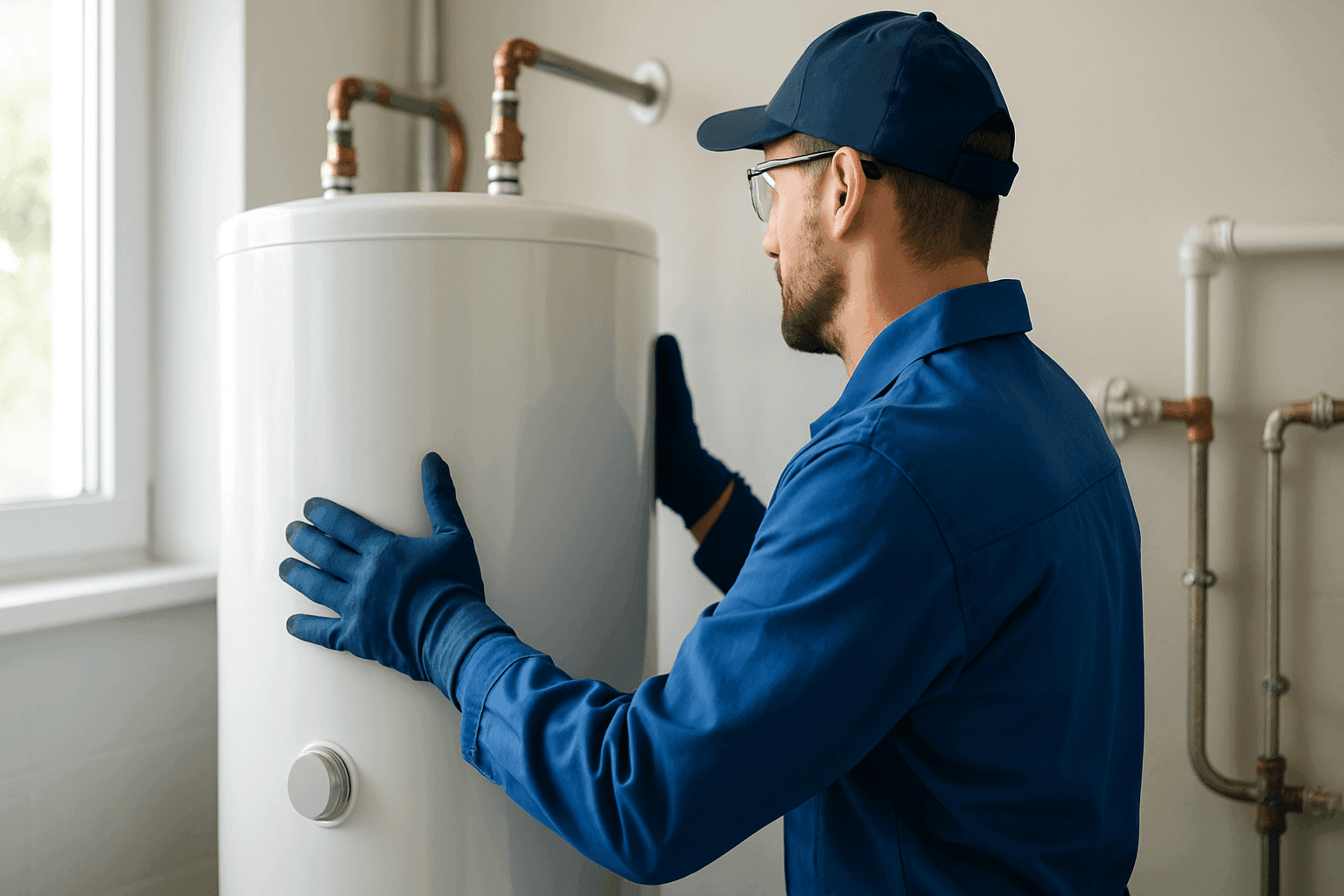
When you turn on the shower and get nothing but icy water, panic hits fast. For homes and businesses alike, a reliable water heater isn’t just a comfort—it’s a necessity. At Rafi Plumbing, we know how disruptive a failed unit can be. That’s why we’re here 24/7 for emergency plumbing, and why we believe every customer should feel confident about water heater installation near you.
This guide will walk you through what matters most—choosing the right heater, understanding the installation process, safety and permits, and how to keep your new unit running smoothly for years. No jargon, just real advice built on years of hands-on experience.
Choosing a Water Heater
Picture your water heater as the heart of your plumbing system. The wrong “heart” can leave your home shivering or your business struggling. Here’s how to choose the right fit:
Tank vs. Tankless: What’s the Difference? 🔥
- Tank Water Heaters: These store hot water in a large tank (30–80 gallons is common). They’re great for homes with multiple people using hot water at once—think morning showers and laundry running together. But they do take up space and can run out if demand is high.
- Tankless Water Heaters: Also called “on-demand” heaters, they heat water only as it’s needed. No bulky tank, so they’re perfect for smaller spaces or energy-conscious homeowners. However, they may not keep up if you have several hot water needs happening at once.
What Size or Capacity Do You Need?
- Household Size: More people = more hot water. A family of four will use far more than a single occupant.
- Peak Usage: Think about your busiest hour—do you have back-to-back showers, or does the dishwasher run while someone bathes?
- Flow Rate: For tankless, check the gallons-per-minute (GPM) rating. For tanks, consider the first-hour rating (how much hot water the tank can deliver in an hour).
Fuel Sources
- Electric: Easy to install, but may have higher long-term energy costs.
- Gas: Typically heats faster and can cost less to run, but requires proper venting and safety checks.
- Other options: Some homes use propane or even solar. Consider what’s available and safe for your property.
Pro tip: Check for local rebates or incentives for energy-efficient models—these can help offset upfront costs.
Installation Process
Installing a water heater is a bit like assembling a complicated puzzle. Every step matters, and a single missing piece can mean trouble down the road.
Step-by-Step Overview
- Shut Off Utilities
Gas, water, and electricity all need to be safely turned off before anything else. - Drain and Remove Old Heater
Draining can take time—water is heavy! The old unit is safely disconnected and hauled away. - Prepare the Site
The new unit needs a level, stable spot. Connections for water, gas, or electricity must meet code. - Install the New Heater
Connections are made, venting is checked, and all fittings are secured. - Fill and Test
The system is refilled, checked for leaks, and tested for safe, reliable operation.
Why Professional Installation Matters
It’s easy to underestimate the complexity—incorrect venting or loose connections can risk leaks or even carbon monoxide poisoning. That’s why most local codes require licensed plumbers for installation. The National Standard Plumbing Code and your municipal building department both outline these requirements.
Safety and Permits
Think of permits as your safety net—a way to ensure everything’s up to code and truly safe for your home or business.
Permits: What to Know 📝
- Most jurisdictions require permits for water heater installation. This isn’t just red tape; it’s about keeping your family or customers safe.
- Inspections: A local inspector may visit to check that the installation meets standards.
- Why it Matters: Skipping permits can void warranties, affect insurance claims, or cause problems when selling your property.
Key Safety Guidelines
- Always use the right type of venting for gas units.
- Ensure pressure relief valves are installed and working.
- Follow all manufacturer instructions—these aren’t suggestions, they’re safety essentials.
Authoritative sources like the International Association of Plumbing and Mechanical Officials (IAPMO) and your local code office are great places to double-check requirements.
Aftercare and Maintenance
Just like a car, your water heater needs regular attention to stay in top shape.
Maintenance Tips 🛠️
- Annual Flushing: Sediment can build up inside tanks, hurting efficiency and lifespan. Flushing once a year can help.
- Check for Leaks: Look for drips or puddles around connections.
- Test Pressure Relief Valve: At least once a year, lift the valve’s lever and let it snap back. A burst of water means it’s working.
- Monitor Temperature: Set your unit to 120°F to prevent scalding and reduce energy use.
Warranties and Rebates
- Warranties: Most new water heaters come with a manufacturer warranty—length and coverage vary by brand and model. Some require registration or proof of professional installation.
- Rebates: Many utility companies or state programs offer rebates for choosing efficient or environmentally friendly models. Always save your paperwork!
Why Call Rafi Plumbing? (And When It’s an Emergency)
Sometimes, things go wrong fast—burst pipes, flooding, or a heater that just won’t light. That’s where emergency plumbing from Rafi Plumbing comes in. We’re always ready to help, no matter the hour.
- Fast response for leaks, floods, or failed heaters
- Licensed for all permit-required installations
- Fully equipped for water heater repair, replacement, and maintenance
If you smell gas, see water pooling, or hear strange noises from your heater, don’t wait—call for help right away.
FAQ
How long does installation usually take?
Most standard water heater installations take 2–4 hours. Complex setups or tight spaces may take longer.
Can I install a water heater myself?
Some handy homeowners tackle electric units themselves, but most codes require a licensed plumber—especially for gas or tankless models.
What if my water heater is leaking?
Turn off water and power, then call for emergency plumbing. Leaks can cause water damage quickly.
How often should I replace my water heater?
Most last 8–12 years. If yours is older, less efficient, or shows signs of rust/leaks, it may be time to upgrade.
Local and Seasonal Considerations
Colder climates can put extra strain on heaters, especially if pipes aren’t insulated. In some areas, hard water can cause faster sediment buildup. If you’re in a region prone to storms or power outages, consider backup power options or surge protectors for electric models.
No matter the season or your location, Rafi Plumbing is here for water heater installation near you.
Ready for a new water heater—or need urgent help?
Call Rafi Plumbing now — or reach us anytime at 888-600-0415 .