Water Filtration Systems: How to Improve Water Quality at Home
Clean water isn’t just about taste. It’s about your health, comfort, and peace of mind—at home or at work. At Rafi Plumbing, we see firsthand how water quality can change lives for the better, whether you’re filling a glass at the kitchen sink or running a bustling business.
So, how do you know if your water is up to par? And what can you do if it’s not? Let’s walk through water filtration systems, testing, and practical steps you can take today. No fluff. Just clear answers from your neighbors in emergency plumbing.
Common Water Quality Problems 🏠
Water running through your pipes may look clear, but it can hide all sorts of trouble. Think of it as a river—sometimes calm, sometimes muddy, sometimes carrying things you can’t see.
Typical issues include:
- Sediment: Grit, sand, or rust that can scratch fixtures and clog appliances.
- Chlorine taste or odor: Used to treat municipal water, but may leave an aftertaste.
- Hardness: Minerals like calcium and magnesium cause scale on faucets and water heaters. Over time, this hard “crust” can shorten appliance life.
- Bacteria and viruses: Rare, but can slip through after flooding, plumbing damage, or aging infrastructure.
- Heavy metals: Lead or copper from old pipes. Even tiny amounts raise health concerns.
- Cloudiness or staining: Discolored laundry or water, often from iron or manganese.
No one wants to worry about hidden surprises in their glass of water. But these problems are more common than you think, especially in older homes and busy commercial buildings.
Types of Filtration
Different problems call for different solutions—like choosing the right tool for a stubborn bolt.
Activated Carbon Filters
Picture a sponge with thousands of tiny caves. That’s activated carbon. As water passes through, it grabs onto odors, chlorine, and some chemicals, improving taste and smell.
Pros: Affordable, easy to install (think faucet or pitcher filters). Good for reducing chlorine and some pesticides.
Cons: Not effective against dissolved minerals, heavy metals, or germs.
Reverse Osmosis (RO)
Reverse osmosis works like a super-fine sieve. Water is pushed through a special membrane that blocks most contaminants—even lead, arsenic, and some bacteria.
Pros: Removes many dissolved solids and heavy metals. Often installed under the sink or for whole-house use.
Cons: Wastes some water, can slow down flow, and usually needs a tank. Not the best for removing all bacteria or viruses on its own.
UV (Ultraviolet) Purification
UV light acts like sunlight on steroids. It zaps bacteria and viruses as water flows past, making it safer to drink.
Pros: Kills most germs without chemicals. Works fast.
Cons: Doesn’t remove minerals, chemicals, or improve taste. Needs electricity—if the power goes out, so does the protection.
Specialty Filters
- Ion exchange: Softens water by trading minerals for sodium or potassium.
- Sediment filters: Trap sand, rust, and grit.
- Combination systems: Stack several methods for “belt and suspenders” protection.
How to Test Your Water
Before you pick a filter, know what you’re up against. Testing is the only way to see what’s really in your water.
- Start with your senses: Smell, taste, or stains? Any unexplained illnesses or appliance breakdowns?
- Home test kits: Sold at hardware stores or online. These show basics—hardness, chlorine, pH, and sometimes lead.
- Certified lab analysis: For the full picture, send a sample to a lab certified by your state’s Department of Health or the EPA. They test for bacteria, heavy metals, chemicals, and more.
- Well owners: Test at least once a year, after floods, or if you notice changes. City water users can ask for the annual Consumer Confidence Report from your utility.
Testing isn’t just a box to check. It’s the foundation of a healthy, safe home or business.
Installation and Care 🛠️
Installing a filtration system isn’t always a weekend project, but some options are more DIY-friendly than others.
Typical Installation Steps
- Faucet or pitcher filters: Snap on or drop in. No tools required.
- Under-sink filters: Shut off water, cut pipe, and install fittings. Usually takes 1–2 hours for a pro.
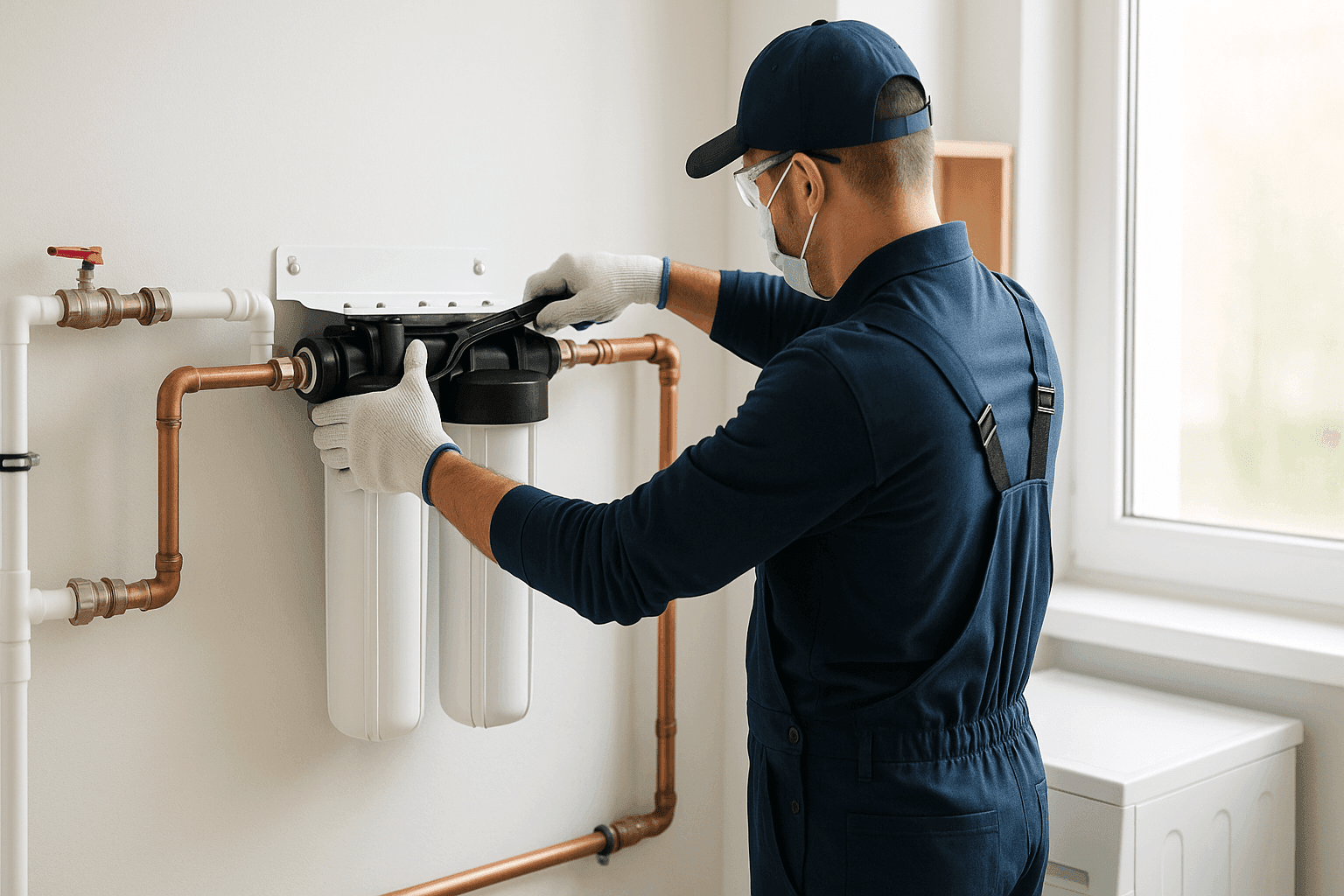
- Whole-house systems: Mount on the main water line. May need a bypass valve, pressure regulator, and extra plumbing. Best left to a licensed plumber, especially for larger homes or commercial sites.
Safety note: Always shut off water and power before starting. Use certified components that meet NSF/ANSI standards (National Sanitation Foundation/American National Standards Institute).
Maintenance Tips
- Replace cartridges: Every 3–6 months, or as directed. A clogged filter is like a blocked artery—nothing gets through.
- Sanitize UV systems: Clean the quartz sleeve and change the bulb yearly.
- Flush RO membranes: Follow the manufacturer’s schedule.
- Check for leaks: After each filter change or system service.
A little maintenance saves a mountain of problems—and keeps your emergency plumbing calls to a minimum.
Choosing the Right System
The “right” water filter is like the right pair of shoes. It depends on your needs, your water, and your budget.
Factors to Consider
- Water quality: Test results first. Don’t guess.
- Household size: More people = higher flow and capacity needs.
- Plumbing layout: Some systems need more space or special hookups.
- Maintenance: Can you change filters or bulbs yourself? Some prefer low-fuss options.
- Certifications: Look for NSF/ANSI labels. They prove a filter does what it claims.
- Special needs: Sensitive equipment, immune-compromised family, or unique business uses may need extra protection.
Common Scenarios
- Taste or odor: Start with activated carbon.
- Hardness: Add a water softener or ion exchange unit.
- Lead or heavy metals: RO is often best.
- Bacteria risk: Combine RO with UV for double coverage.
When in doubt, ask a licensed plumber. At Rafi Plumbing, we recommend solutions based on real test data and years of hands-on experience.
Benefits of Cleaner Water
Cleaner water brings real change you can see, taste, and feel.
- Better taste and smell: No more chlorine aftertaste or rotten egg odors.
- Healthier skin and hair: Fewer harsh minerals and chemicals.
- Longer appliance life: Less scale and sediment in water heaters, boilers, and dishwashers.
- Peace of mind: Especially important for young children, seniors, or anyone with health concerns.
- Fewer plumbing emergencies: Clean water means fewer clogs, leaks, and breakdowns.
It’s like swapping muddy boots for clean socks—refreshing, comfortable, and safe.
Practical Water Quality Tips
- Run cold water for 30 seconds before using it for drinking or cooking—this clears standing water from pipes.
- Install point-of-use filters at kitchen and bathroom sinks for added safety.
- Schedule annual plumbing inspections and backflow testing, especially after renovations or flooding.
- For businesses, keep records of filter changes and water tests for health code compliance.
Frequently Asked Questions
How often should I change my water filter?
Most filters need changing every 3–6 months, but always check the manufacturer’s instructions. If water flow slows or taste changes, it’s time.
Do water filters remove all germs?
Not all filters kill bacteria or viruses. Only UV and some RO systems address germs directly. If you have well water or risk of contamination, consider combining filters.
Can I install a water filtration system myself?
Pitcher and faucet filters are DIY-friendly. Under-sink and whole-house units usually need a plumber, especially if you want to avoid leaks or code violations.
What if I notice stains or odd smells after installing a filter?
Check for a clogged cartridge or expired filter. If problems continue, retest your water or call a professional for leak detection and emergency plumbing support.
Local and Seasonal Considerations 🌦️
Water quality isn’t static. Heavy rains, droughts, or local construction can change what’s in your pipes overnight. In winter, freezing pipes can burst and let in contaminants. In older neighborhoods, aging infrastructure may increase lead or rust risks.
For well water users, test after any big storm or system repair. Commercial kitchens and health facilities should follow local building codes and schedule regular inspections.
Ready for Cleaner, Safer Water?
You shouldn’t have to wonder what’s flowing from your tap. With the right water filtration system, you can enjoy peace of mind, better health, and fewer plumbing headaches—at home or at work.
Call Rafi Plumbing now — or reach us anytime at 888-600-0415 .