Top Plumbing Tips for New Homeowners
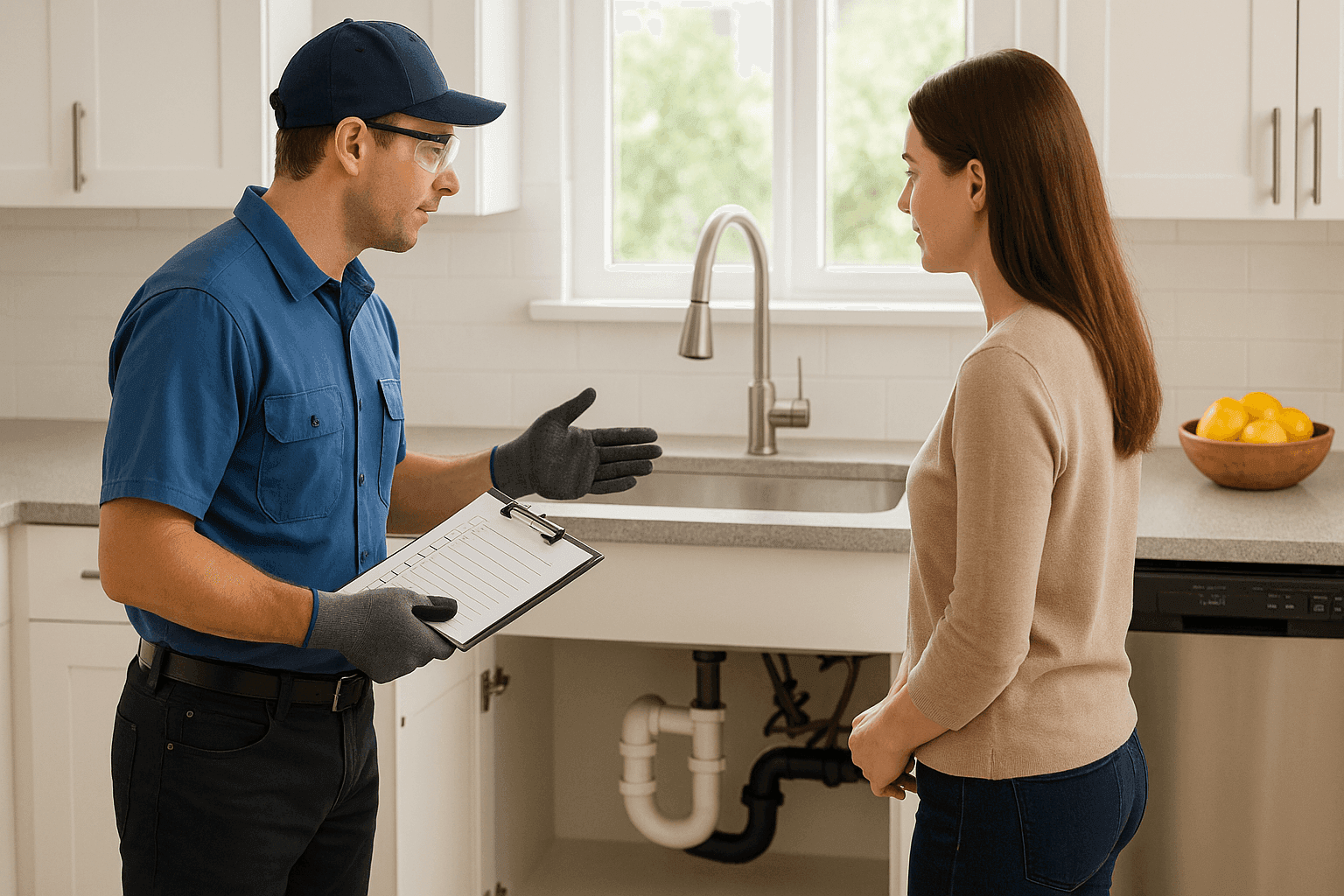
Buying a new home is a big adventure. The excitement is real, but so is the responsibility—especially when it comes to plumbing. One tiny leak or a missed shutoff valve can turn a quiet evening into a race against water damage. At Rafi Plumbing, we've seen firsthand how smart homeowners avoid chaos by knowing a few basics.
Whether your place is brand new or a charming fixer-upper, understanding your plumbing will save you money, stress, and maybe even your hardwood floors. Let’s get you started on the right pipe.
Plumbing Basics 🛁
Imagine your home’s plumbing like a circulatory system. Pipes carry water everywhere. Fixtures are like organs—each serving a purpose. If one part fails, the whole system can feel off.
Here are the absolute basics every new homeowner needs:
- Main Water Shutoff Valve: This is like your home’s heartbeat control. When there’s a leak, shutting off the main valve can save you thousands in damage. Find it. Tag it. Test it.
- Water Meter: Usually near the curb or property edge. Good for spotting leaks—if the meter spins when all water’s off, you’ve got a ghost leak.
- Hot Water Heater: Whether electric, gas, or tankless—know its age and maintenance needs. Hot water is comfort, but also safety.
- Fixtures and Drains: Sinks, showers, toilets—each has its own shutoff. Knowing where these are pays off during emergencies.
If you’re not sure where these are, take a walk around the house. Bring a flashlight and a notepad. Draw a simple map. It’s like a treasure hunt, but the prize is peace of mind.
First Checks for New Homeowners 🕵️♂️
Before you settle in, do these checks to avoid surprises:
- Check for Visible Leaks: Look under sinks, behind toilets, and around the water heater. Dampness or discoloration means trouble.
- Test Water Pressure: Turn on faucets. If water sputters or dribbles, you might have a pressure problem or hidden sediment.
- Flush Toilets: Listen for constant running or slow refill. These are signs of valve or flapper issues.
- Inspect Drains: Run water for a few minutes. If it pools or drains slowly, you might have a clog forming.
- Sump Pump Test (if applicable): Pour water into the pit. Does the pump kick on? If not, repair may be needed before the next storm.
- Gas Safety Check: If you have any gas appliances, verify there’s no odor of gas and that connections are intact, following local safety codes.
Take notes. Snap photos. If anything feels off, don’t ignore it. Small problems become big ones overnight.
Routine Maintenance for Lasting Plumbing 🧰
Think of maintenance as brushing your home’s teeth—quick tasks make a difference over time.
- Clean Drains Monthly: Use a safe drain cleaner or a baking soda/vinegar mix. Avoid chemical overuse, as it can harm pipes.
- Check for Silent Leaks: Read your water meter before and after a two-hour no-water period. Movement means a leak.
- Flush Water Heater Yearly: Sediment buildup shortens heater life. Most manufacturers recommend annual flushing.
- Test Sump Pump Quarterly: Especially before rainy seasons.
- Backflow Testing: Essential for homes with irrigation or fire systems. Local codes often require annual testing.
- Inspect Hoses: Check washing machine and dishwasher hoses for bulges or cracks every 6 months.
- Evaluate Water Filtration Systems: Replace filters as recommended. This keeps water fresh and systems running efficiently.
Schedule reminders. Mark your calendar or set phone alerts. Your future self will thank you.
Emergency Readiness: Be Prepared 🚨
Nobody expects a plumbing emergency, but being ready makes all the difference. Water moves fast—so should you.
- Know Your Main Shutoff: This is always step one in a leak or burst pipe situation.
- Emergency Plumbing Kit: Stock it with a plunger, pipe wrench, heavy-duty towels, plumber’s tape, and a bucket.
- Contact Info Handy: Post Rafi Plumbing’s number where everyone can see it.
- Clear Access: Don’t block the path to shutoff valves or the water heater.
- Have a Plan: Discuss with family or employees what to do in a flood or leak.
For gas leaks, evacuate first and call emergency services. Don’t try to fix gas issues yourself; safety comes first.
Upgrade Tips for New Homes
Small upgrades now can prevent headaches later—and save on bills:
- Install Water Alarms: These beep if they detect moisture where it shouldn’t be.
- Consider Water Filtration: Removes contaminants and extends appliance life.
- Replace Old Fixtures: Modern toilets and faucets save water and lower bills.
- Sewer Line Inspection: Especially for older homes or properties with large trees nearby. Tree roots and old pipes don’t get along.
- Pressure Regulator Valve: Keeps water pressure at safe levels, protecting pipes and appliances.
Consult the International Plumbing Code or your local building department for upgrade guidance.
Plumbing Safety and Savings
Safe plumbing means a healthy home. It also keeps your wallet happier:
- Insulate Pipes: Prevent freezing in winter and reduce heat loss.
- Fix Leaks Promptly: Even a slow drip can waste thousands of gallons a year.
- Use Strainers: Stop hair and debris from clogging drains.
- Don’t Ignore Odd Noises: Banging pipes or gurgling drains mean it’s time for a check.
EPA WaterSense recommends fixing leaks as soon as you spot them. Small repairs now avoid bigger, costlier ones later.
What’s an Emergency? When to Call for Emergency Plumbing
Some plumbing issues just can’t wait:
- Burst Pipes: Immediate water shutoff and professional help required.
- Sewer Backups: Health hazard—call right away.
- No Hot Water: Especially for families or businesses relying on hot water daily.
- Gas Leaks: Leave the building and call 911, then a licensed plumber for repairs.
If you’re unsure, it’s always safer to call. Rafi Plumbing’s emergency plumbing team is ready—day or night.
FAQ: New Homeowner Plumbing Questions
Q: How often should I service my water heater?
A: Most manufacturers recommend annual flushing and inspection. It extends the life of your unit and keeps hot water flowing safely.
Q: What causes low water pressure?
A: Common causes include sediment buildup, leaks, or faulty pressure regulators. Start by checking aerators and main shutoff valves.
Q: Is it safe to use chemical drain cleaners?
A: Use sparingly. Overuse can damage pipes. Try mechanical methods or natural solutions first.
Q: How do I test for leaks?
A: Shut off all water, then check your water meter. If it moves, you’ve got a leak.
Local and Seasonal Plumbing Considerations 🌦️
Your home’s needs change with the seasons:
- Winter: Insulate exposed pipes and disconnect garden hoses.
- Spring: Test sump pumps and check for winter damage.
- Summer: Inspect outdoor faucets and irrigation.
- Fall: Clean gutters and check downspouts to direct water away from the foundation.
If you’re in an area with hard water, consider a water softener. For flood-prone regions, a battery backup for your sump pump is a smart investment.
Owning a home is a big step. Taking charge of your plumbing means fewer headaches—and more time enjoying your space. Have questions or need emergency plumbing help?
Call Rafi Plumbing now — or reach us anytime at 888-600-0415 .