Toilet Repair Troubleshooting: Common Issues & DIY Fixes
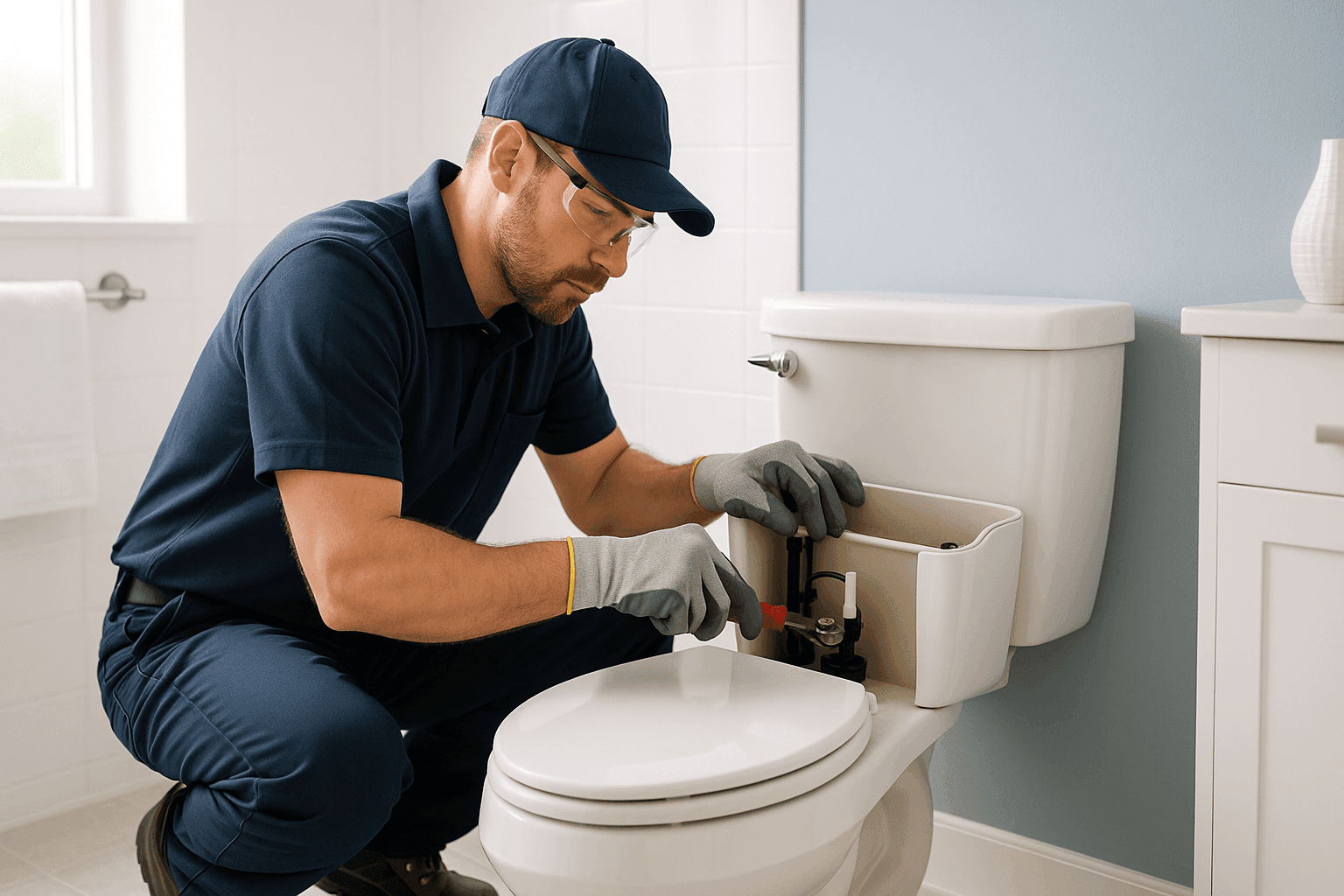
Imagine this: you’re getting ready for work or closing up your business for the night, and suddenly—your toilet won’t stop running. Or worse, you spot a mysterious puddle creeping across the bathroom floor. Toilet trouble never waits for a convenient time. We get it. At Rafi Plumbing, our emergency plumbing team sees everything from slow flushes to surprise leaks—day or night.
Whether you’re a homeowner or managing a busy office, knowing the basics of toilet repair can save you time, money, and stress. Let’s break down the most common issues, walk through easy fixes, and help you decide when it’s time to call in the pros.
Common Toilet Problems 🚽
Toilets are a lot like cars: when they work, you forget they exist. When they don’t, it’s chaos. Here are the most frequent complaints we hear from customers—residential and commercial alike:
- Running toilet: The tank never seems to fill, or you hear trickling water long after flushing.
- Leaking at the base: Water pools around the bottom, sometimes with a faint musty smell.
- Weak or incomplete flush: The bowl doesn’t clear fully, or the water seems sluggish.
- Phantom flushes: The toilet refills randomly, as if haunted.
- Handle problems: The flush lever feels loose, sticks, or doesn’t return to its original position.
- Tank not filling: No water enters the tank after a flush.
These issues are usually tied to a handful of components: the flapper, fill valve, flush valve, tank bolts, or wax ring. A faulty part can throw the whole system out of whack.
DIY Troubleshooting: Find and Fix the Problem
Before you call for a Water Heater Installation near you, a little detective work can go a long way. Here’s a flowchart-style approach to diagnosing toilet woes:
Step 1: Listen and Look
- Is the toilet running? Remove the tank lid and listen for hissing or dripping.
- Is there water around the base? Wipe it dry and flush—does it return?
- Weak flush? Pour a bucket of water into the bowl. If it flushes well, the issue is in the tank. If not, there may be a clog.
Step 2: Targeted DIY Fixes
Running Toilet
Likely culprit: Flapper or fill valve.
- Check the flapper: Does it seal tightly? If it’s warped, slimy, or doesn’t sit flat, replace it.
- Adjust the chain: Too loose, and the flapper won’t lift. Too tight, and it won’t close.
- Inspect the fill valve: If water keeps rising, the float may be set too high or the valve is faulty.
How to replace a flapper:
- Turn off the water supply (valve near the wall).
- Flush to empty the tank.
- Remove the old flapper from the overflow tube.
- Attach the new flapper, reconnect the chain, and turn the water back on.
Leaking at the Base
Likely culprit: Bad wax ring or loose bolts.
- Tighten tank bolts: Firm, but not overtight (cracked porcelain = heartache).
- Inspect the wax ring: If tightening doesn’t help, the toilet may need to be removed and the ring replaced. This is doable—but heavy work.
Weak Flush
Likely culprit: Clogged rim holes, low water level, or partial clog.
- Clean rim holes: Use a wire or brush to clear buildup.
- Raise the tank water level: Adjust the float so water sits about an inch below the overflow tube.
- Check for hidden clogs: A toilet auger can break up stubborn blockages.
Phantom Flushes
Likely culprit: Slow leak from flapper or flush valve.
- Dye test: Add a few drops of food coloring to the tank. Wait 10 minutes—if color appears in the bowl, the flapper leaks.
Handle Issues
Likely culprit: Loose nut or corroded lever.
- Tighten the handle nut: (Inside the tank, left-hand thread.)
- Replace if corroded: Turn off water, remove the old handle and install a new one.
Quick Safety Checklist 🛠️
Before you start, make sure you:
- Turn off the water supply to the toilet.
- Use gloves when handling old parts or cleaning up water.
- Keep tools dry and away from electrical outlets.
- Never use harsh chemicals that can harm pipes or the environment (EPA recommends enzyme-based cleaners for minor clogs).
- If you smell gas, see sparks, or notice major flooding—leave the area and call emergency plumbing help right away.
When to Call a Pro
Some repairs are best left to a licensed plumber, especially if:
- The toilet rocks or shifts with use (possible floor damage).
- You notice recurring leaks, especially near the subfloor.
- The shut-off valve is stuck or corroded.
- You have persistent clogs after snaking.
- There’s visible sewage backup or foul odors coming from drains.
Remember, commercial properties may have code requirements for bathroom plumbing that differ from homes (reference: International Plumbing Code). For any job that requires repiping, sewer line inspection, or gas safety checks, always reach out to a professional.
What Pros Do On Arrival
When Rafi Plumbing rolls up, here’s what you can expect:
- Full assessment: We check the toilet, surrounding plumbing, and any water-damaged areas.
- Diagnostic tests: Dye test for leaks, pressure check, and inspection of seals.
- Repairs or replacement: We carry common parts (flappers, fill valves, wax rings) to handle most problems then and there.
- Clean-up and review: We keep workspaces tidy and review what was done, so you stay in the loop.
Preventive Tips for Toilets 🚩
Keep your toilet in fighting shape with these habits:
- Inspect inside the tank every few months for worn parts or corrosion.
- Avoid flushing wipes, hygiene products, or anything except toilet paper.
- Fix running water or leaks promptly—even small drips add up.
- Schedule preventative maintenance, especially for commercial properties or high-traffic areas.
- Install water filtration systems if you have hard water to reduce mineral buildup.
Costs & Time Factors
Toilet repairs can take as little as 20 minutes (flapper swap) or up to a few hours (wax ring replacement). Parts are affordable—often under $25 for most DIY fixes. If you need professional help, time and cost depend on the issue’s complexity and your location. Emergency plumbing services are always available for after-hours or urgent needs.
When It’s an Emergency
Call immediately if:
- Water is flooding the bathroom or leaking into other rooms.
- There’s sewage backup, foul odors, or visible waste.
- The toilet won’t stop running, risking water damage.
- You notice signs of electrical hazards (wet outlets, sparking).
Time is everything in these moments—shut off water if you can, and call for emergency plumbing support.
FAQ
Q: Why does my toilet keep running even after I replaced the flapper?
A: The fill valve or overflow tube may be the issue. Check water level and replace the fill valve if needed.
Q: Is it safe to use drain cleaners in my toilet?
A: Most chemical drain cleaners can damage pipes and void warranties. Use a plunger, auger, or enzyme-based product instead (EPA recommends green alternatives).
Q: How often should I replace toilet parts?
A: Flappers and fill valves typically last 3–5 years. Hard water or frequent use may shorten this.
Q: Can a leaking toilet increase my water bill?
A: Absolutely—a constantly running toilet can waste hundreds of gallons a day.
Local & Seasonal Considerations 🏠
In colder months, toilets near exterior walls are prone to condensation and even freezing pipes. In high-traffic businesses, regular backflow testing and maintenance prevents messy surprises. Always check your local plumbing codes for specific requirements (refer to International Plumbing Code and your city’s guidelines).
Toilet troubles don’t need to ruin your day—or night. If you’ve tried these steps and still hear the drip-drip-drip, or if water is where it shouldn’t be, don’t wait until it’s an emergency.
Call Rafi Plumbing now — or reach us anytime at 888-600-0415 .