The Ultimate Guide to Plumbing Permits and Local Codes
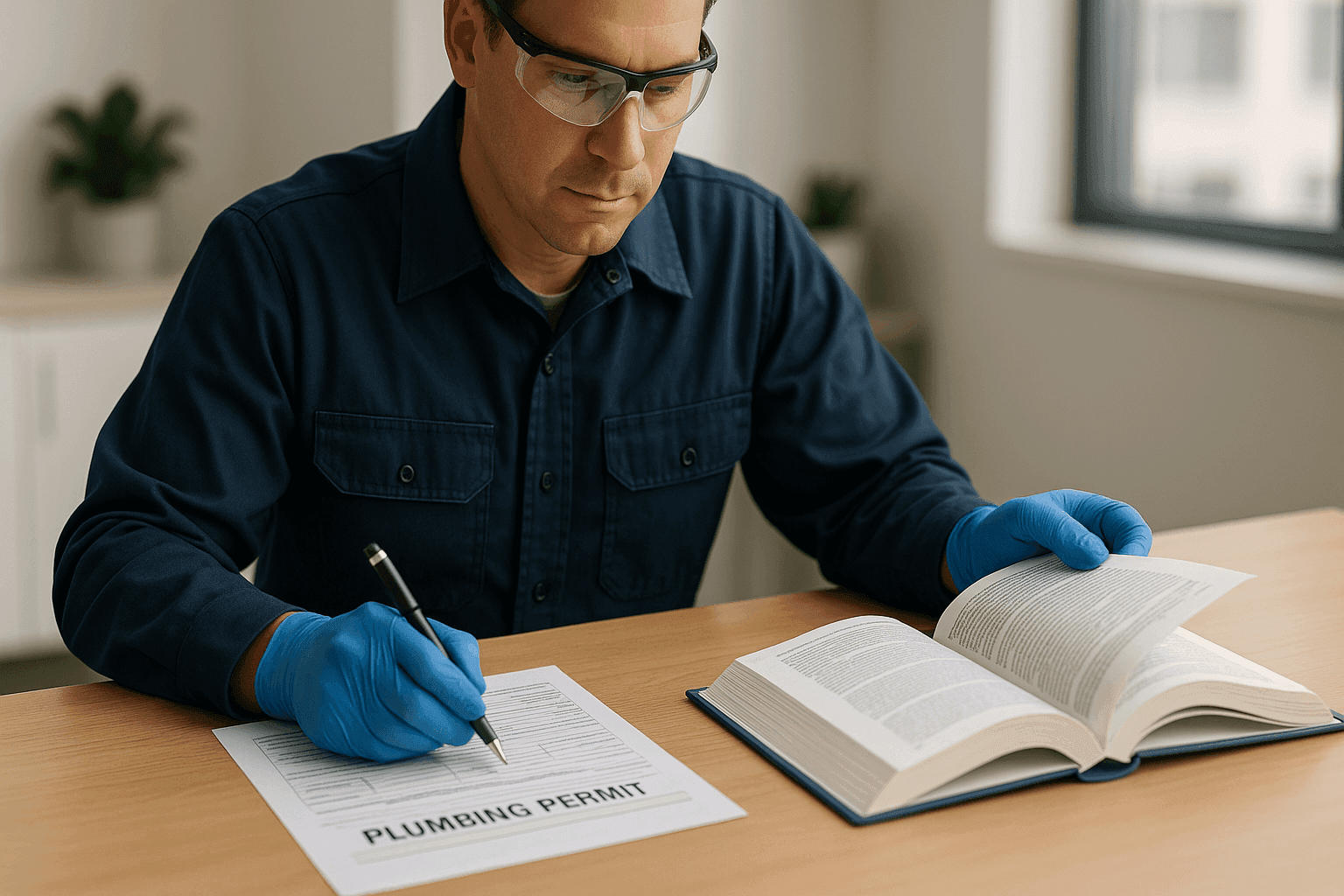
Plumbing projects are a lot like puzzles. Each piece—pipes, drains, fixtures—has to fit just right. But there’s an invisible edge to every puzzle: the rules that keep water flowing where it should and people safe. That’s where permits and plumbing codes come in.
Whether you’re a homeowner planning a bathroom renovation, a business owner updating a commercial kitchen, or facing an emergency plumbing fix, understanding the basics of permits and codes can save you headaches, fines, and costly do-overs. At Rafi Plumbing, we’ve helped both residential and commercial clients navigate these waters for years.
When Do You Need a Permit? 🚦
Permits aren’t just paperwork. They’re your ticket to a safe, legal plumbing project. Local governments set the rules, but here’s a quick guide for when you’ll most likely need a permit:
- Major plumbing changes: Installing a new water heater, repiping, or adding a bathroom almost always require a permit.
- Gas line work: Gas safety checks, new gas lines, or repairs all need oversight due to safety risks.
- Sewer line work: Repairing, replacing, or installing sewer lines or backflow prevention devices.
- Fixture relocation: Moving sinks, toilets, or showers usually means touching pipes behind the walls—permit time.
- Commercial upgrades: Most commercial plumbing changes, even minor ones, need approval.
Simple repairs—like fixing a leaky faucet or unclogging a toilet—rarely need a permit. But the moment you alter the plumbing system itself, the rules tighten.
Tip: Always check with your local building department before starting. Rules can change from town to town, and what slides in one city may cause trouble in another.
How to Apply
Applying for a plumbing permit isn’t as mysterious as it sounds. Think of it like getting your car inspected before a big road trip—making sure everything’s in order.
Step-by-Step Guide
- Gather your details. Know what you’re changing: is it a Water Heater Installation near you, a new sewer line, or something else?
- Draw a simple plan. Many towns want a sketch or diagram showing what you’ll do.
- Fill out an application. Most building departments offer online forms or paper copies.
- Pay the fee. Fees range from small (for minor jobs) to significant (for big renovations).
- Wait for approval. This can be quick or take a week or more, depending on project size and local workload.
- Schedule inspections. Usually, you’ll need at least one inspection during and after the work.
Pro tip: If you’re hiring Rafi Plumbing for emergency plumbing or scheduled work, we handle the permit process for you. We’re familiar with local requirements, so you don’t have to sweat the details.
Common Code Requirements 🛠️
Codes are like the rules of the road for plumbing. They exist to prevent dangerous shortcuts and ensure everything works safely for years.
National & Local Codes
- Uniform Plumbing Code (UPC) and International Plumbing Code (IPC) are the main national standards.
- Local amendments can make rules stricter—or sometimes a bit looser.
- Codes cover everything from pipe materials and water heater venting to backflow prevention and drain sizing.
What Inspectors (and Codes) Look For
- Proper pipe slope: Water and waste must flow downhill—no standing water allowed.
- Approved materials: Galvanized, copper, or PEX? Code says what’s okay where.
- Ventilation: Every drain needs a vent to stop sewer gas and slow drains.
- Backflow prevention: Stops dirty water from mixing with clean.
- Pressure regulation: Water pressure too high? That’s a code violation waiting to happen.
- Gas line safety: Leak checks, correct pipe sizing, and proper shut-off valves are all code-mandated.
Reference: The International Association of Plumbing and Mechanical Officials (IAPMO) and the International Code Council (ICC) set the baseline. Check your local government’s building department for area-specific rules.
Inspection Checklist
Passing inspection is the finish line. Here’s what inspectors look for, whether it’s a new water heater, a repiping job, or a sewer line installation:
- Job matches the approved permit and plans
- Correct pipe materials and installation techniques
- Secure, leak-free fittings and joints
- Proper fixture placement and clearances
- Working backflow preventers (where required)
- Adequate water pressure and flow
- Safety devices on gas and water lines installed and tested
- Accessible shut-off valves
- Venting for all fixtures
- Sump pumps and drainage systems tested (if installed)
- Clean, debris-free worksite
Quick tip: Be ready for a re-inspection if something’s not right. Inspectors want to see safe, code-compliant work—not perfection the first time.
Why Codes and Permits Matter
Imagine building a bridge with no blueprint—just hoping for the best. Plumbing without permits or code compliance is the same gamble. Sure, you might save time at first. But if something goes wrong (think leaks, floods, or even gas issues), insurance claims can be denied, and you may face fines or forced tear-outs.
Plus, if you ever sell your property, unpermitted work can cause big delays and extra costs.
Practical Tips for Homeowners & Business Owners
- Keep records: Save permits, inspection reports, and receipts. They’re gold during resale or insurance claims.
- Ask questions: Your local inspector is there to help, not just to pass or fail you.
- Plan ahead: Permits can take time—don’t schedule your Water Heater Installation the same week as your big event.
- Hire licensed pros: Always ask for license numbers and proof of insurance.
FAQ: Plumbing Permits & Codes
Do I need a permit for a simple leak repair?
Usually not. If you’re just tightening a connection or swapping a washer, you’re in the clear. But if you’re replacing pipes or fixtures, check with your local authority.
What if I skip the permit?
You could face fines, be forced to redo the work, or even risk your home insurance. In some cases, unpermitted work can be a dealbreaker when selling your property.
Are codes the same everywhere?
No. National codes are the backbone, but local governments add their own twists. Always check your town or city’s rules.
How long does it take to get a permit?
It depends on your project and your local department’s workload. Some permits are ready in a day; others can take a week or more.
Local and Seasonal Considerations 🌦️
Where you live—and the local climate—can change the rules. Cold climates may require deeper pipe burial or extra insulation. Flood-prone areas often demand backflow prevention and sump pumps. In drought-prone zones, water-saving fixtures might be mandatory.
Tip: Weather and seasons can affect when inspectors are available (think: busy times after storms, floods, or during building booms).
Final Thoughts
Plumbing permits and local codes may seem like red tape. But they’re really the safety net beneath every project, big or small. They protect your property, your health, and your wallet—today and years from now.
At Rafi Plumbing, we know the ins and outs of local codes, from Water Heater Installation near you to emergency plumbing fixes. We handle permits, inspections, and code compliance so your job is done right, the first time.
Call Rafi Plumbing now — or reach us anytime at 888-600-0415 .