Sink Repair Made Simple: Common Problems & Solutions
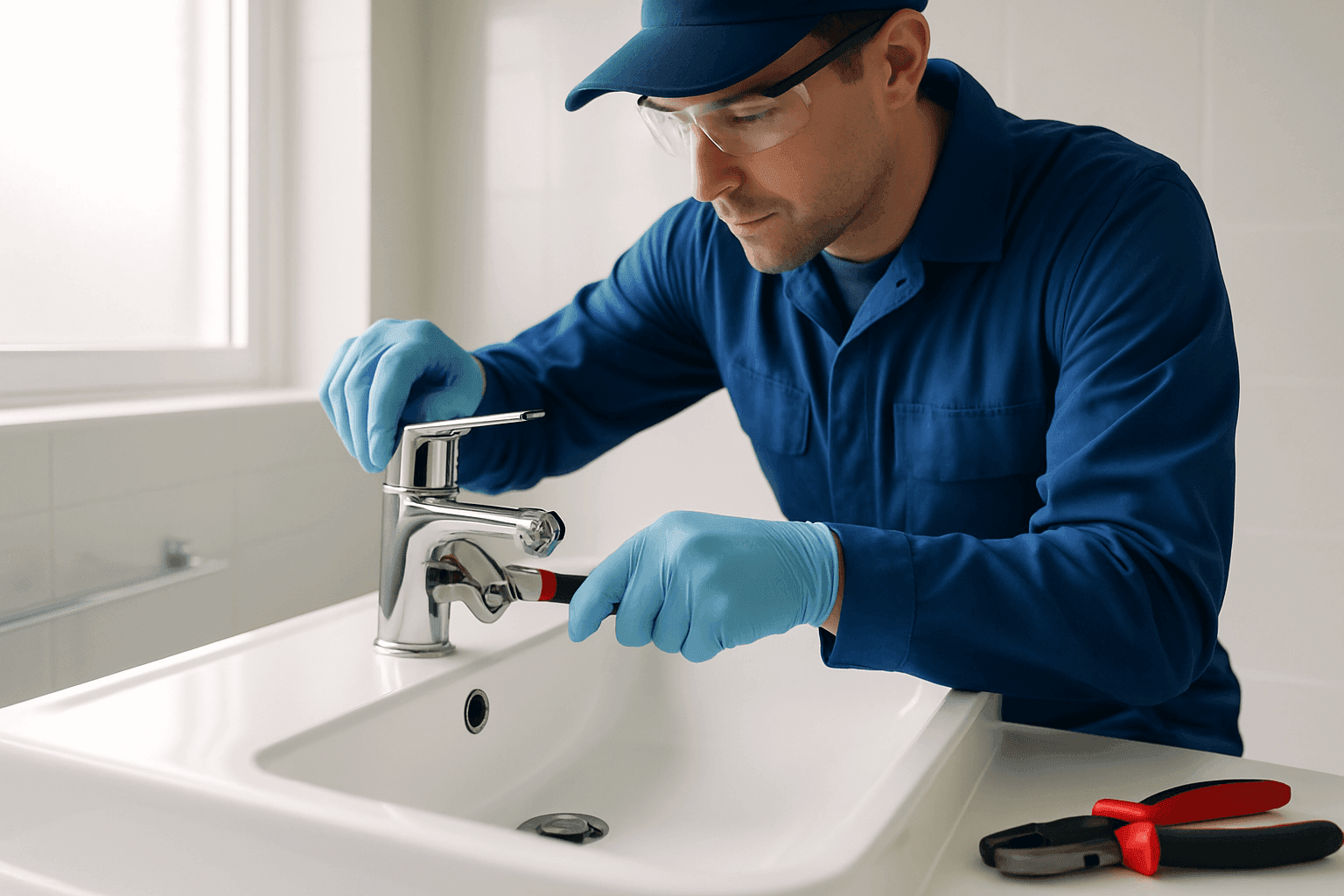
Does your kitchen or bathroom sink gurgle, drip, or leak at the worst possible time? You’re not alone. Sink problems are the silent troublemakers of homes and businesses—showing up when you least expect them and sometimes turning a simple day into a scramble for towels and a mop.
At Rafi Plumbing, we know how even a minor sink issue can spiral into a big, soggy headache. Whether you’re a homeowner or manage a busy office, tackling these problems early can save you time, hassle, and money. Let’s break down the basics, so you can keep your sinks—and your day—flowing smoothly.
Common Sink Problems 🛠️
Sinks may look simple, but they’re a maze of pipes, joints, and fixtures. Over time, even tough materials wear down. Here are the most frequent sink issues:
1. Leaky Faucets
That steady drip, drip, drip isn’t just annoying—it’s wasting water and money. Leaky faucets usually come from worn-out washers or seals, or a loose handle.
2. Clogged Drains
Water pooling in the sink? Odds are, food scraps, hair, or soap scum have built up in the drainpipe. Sometimes, it’s a slow drain. Other times, nothing moves at all.
3. Loose Fixtures
Handles wobble. Spouts spin. Underneath, mounting nuts or screws may have come loose, or mineral buildup might be blocking the way.
4. Under-Sink Leaks
You open the cabinet and—surprise!—there’s a puddle. Cracked pipes, failing seals, or a misaligned drain trap could be the culprit.
5. Low Water Pressure
A gentle trickle instead of a strong flow points to clogged aerators or shut-off valves, and sometimes deeper issues with the water supply.
Quick Safety Checklist
Before you reach for the wrench, pause. Even small plumbing jobs carry risks. Here’s how to keep things safe:
- Turn off the water supply at the shut-off valve under the sink.
- Unplug nearby electrical appliances.
- Use gloves to protect your hands from sharp edges and chemicals.
- Place a bucket or towels under the sink to catch spills.
- Know where your main water shut-off is—just in case.
- For gas-heated water, make sure the gas supply is off if you suspect a leak.
Remember: Always follow local building codes and safety guidelines from the International Association of Plumbing and Mechanical Officials (IAPMO).
DIY Repairs
Some sink fixes are within reach if you’re comfortable with basic tools. Here’s a step-by-step guide for the most common issues.
Fixing a Leaky Faucet
- Turn off the water using the valves under the sink.
- Plug the drain—a small screw or part can vanish fast.
- Remove the handle with a screwdriver or Allen wrench.
- Replace the washer or cartridge (take the old one to the hardware store for a match).
- Reassemble and turn the water back on.
- Test for leaks.
Clearing a Clogged Drain
- Boiling Water: Pour slowly to dissolve grease or soap.
- Plunger: Create a tight seal and pump up and down.
- Drain Snake: Feed into the drain and twist to break up clogs.
- Baking Soda & Vinegar: Pour in, cover, and flush with hot water.
Never use chemical drain cleaners on older pipes—they can corrode and cause bigger problems.
Tightening Loose Fixtures
- Check under the sink for loose mounting nuts.
- Tighten carefully with pliers, but don’t overdo it—overtightening can crack porcelain or strip threads.
- Clean away mineral buildup with vinegar.
Stopping Under-Sink Leaks
- Dry everything off and run water to spot the drip.
- Check connections at the drain trap and supply lines.
- Tighten or replace washers as needed.
- For PVC pipes, make sure joints are snug and free of cracks.
When to Call a Pro
Some problems go deeper than a wrench can reach. Here’s when to call Rafi Plumbing:
- Leak keeps coming back, even after a quick fix.
- Water stains on walls or floors (could mean a hidden leak).
- Rusty water, strange smells, or signs of mold.
- You find corroded pipes or suspect a sewer line issue.
- Water pressure drops suddenly in the whole building.
- Gas smell near kitchen or bathroom plumbing—this is urgent.
- You’re unsure about codes, especially in a commercial setting.
A pro brings not just tools, but years of experience. We spot trouble before it spreads, and we’re trained for emergency plumbing situations.
What Pros Do On Arrival
When a Rafi Plumbing technician arrives, you can expect:
- A thorough inspection—above and below the sink.
- Testing for leaks, pressure, and drain flow.
- Use of leak detection equipment (like acoustic sensors for hidden leaks).
- Checking for compliance with current plumbing codes.
- Recommendations for repair or replacement, with clear explanations.
- Clean-up and safety checks before leaving.
Our team is equipped for everything from Water Heater Installation near you to backflow testing and pipe repair.
Preventive Care 💧
A little TLC keeps your sink in top shape:
- Avoid pouring grease, coffee grounds, or food scraps down the drain.
- Use mesh strainers to catch hair and debris.
- Clean aerators and faucet heads monthly with vinegar to prevent mineral buildup.
- Tighten mounting hardware every few months.
- Schedule annual plumbing checkups for early leak detection.
Refer to guidelines from the Environmental Protection Agency (EPA) for water conservation tips and safe cleaning practices.
Costs & Time Factors
Sink repairs range from quick fixes to all-day projects. Here’s what to expect:
- Leaky faucet repair: 30–60 minutes DIY, a bit less for a pro.
- Clog removal: 10–30 minutes for minor clogs, longer if pipes are old or blocked deep down.
- Under-sink leak: 30 minutes to several hours, depending on access and pipe condition.
- Professional repairs: Costs vary by parts, labor, and urgency—emergency plumbing calls may be higher after hours.
Always ask for a clear estimate before work begins.
When It's an Emergency
Some sink problems can't wait:
- Flooding under the sink.
- Water spraying from broken pipes.
- Major sewer smells—could be a blocked or broken line.
- Gas odors from plumbing fixtures.
Turn off the water (or gas) supply and call Rafi Plumbing right away. Fast action can prevent property damage and health risks.
FAQ
How often should I check my sink for leaks?
Aim for a quick check monthly, and always after any plumbing work or installation.
Is it safe to use a plunger on any sink?
Yes, but use a cup plunger for sinks (not the flange type for toilets). Avoid using excessive force on old or cracked porcelain.
What causes persistent low water pressure?
Mineral buildup, old shut-off valves, or problems in the main supply. If a simple aerator cleaning doesn’t help, call a plumber.
Can I replace a sink myself?
Small repairs, yes. Full sink replacement usually requires plumbing knowledge—and may need a permit.
Local & Seasonal Considerations 🌦️
Cold winters? Pipes under sinks can freeze and crack. Insulate exposed plumbing, especially in older homes or commercial kitchens. Heavy rains can stress sewer lines, making slow drains worse. In dry regions, mineral deposits build up faster—clean aerators and drains regularly.
Building codes vary by city and state. Always check local requirements or consult a licensed plumber before major repairs or upgrades.
Small sink issues can turn into big headaches if ignored. Tackle them early with these tips—or skip the hassle and let Rafi Plumbing handle it for you.
Call Rafi Plumbing now — or reach us anytime at 888-600-0415 .