Signs of Plumbing Problems in Commercial Buildings
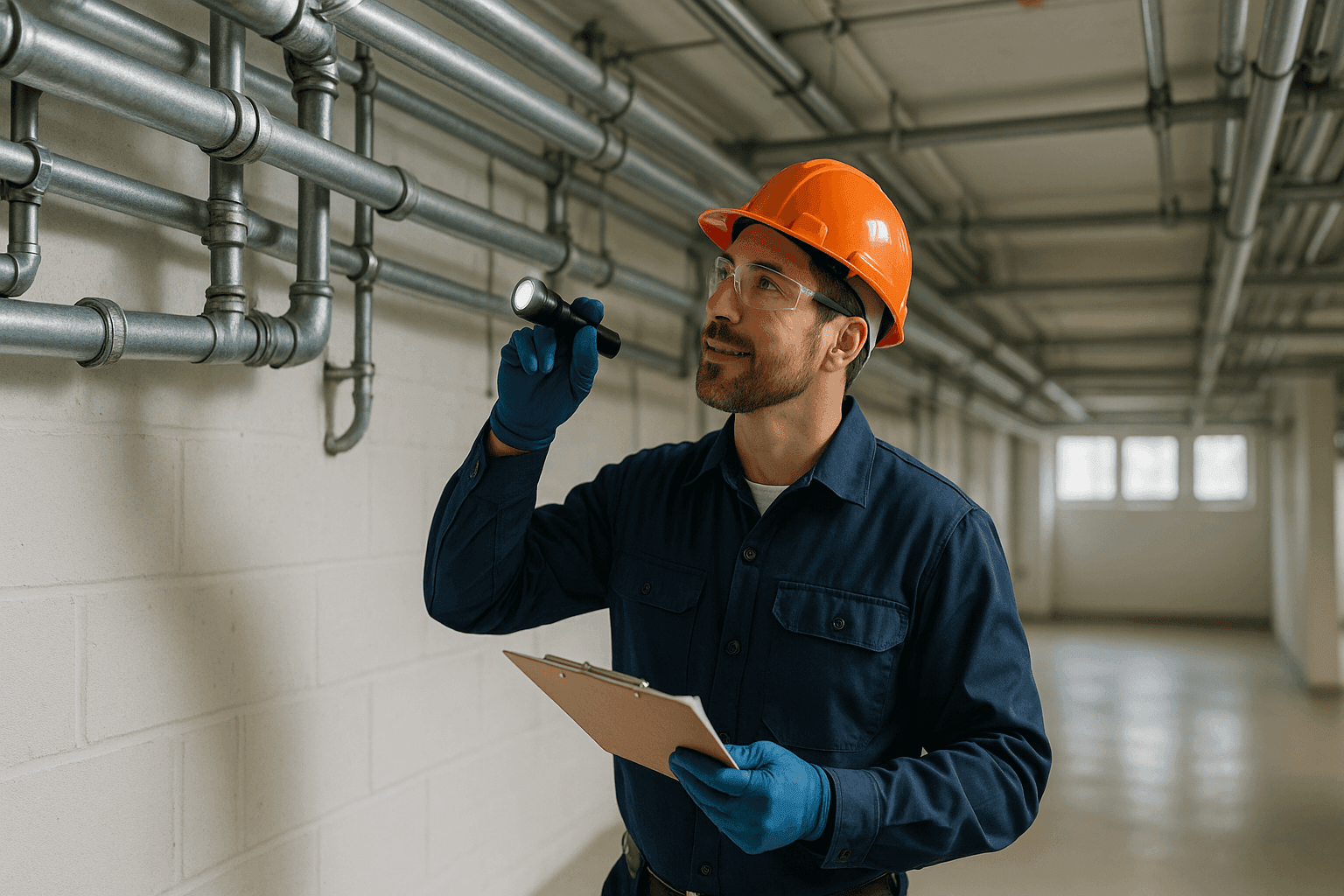
Running a commercial building is like steering a ship. Everything hums along—until a hidden leak, stubborn clog, or sudden drop in water pressure threatens to steer you off course. When plumbing problems strike, they don’t just cause inconvenience. They risk downtime, lost revenue, and even regulatory headaches.
At Rafi Plumbing, we know how a well-maintained plumbing system protects your property, your tenants, and your reputation. Here’s what every building manager and facility owner should watch for to keep the pipes flowing and business moving.
Common Commercial Plumbing Issues 🚨
Commercial plumbing is a maze of pipes, drains, valves, and fixtures—each with its own way of crying out for help. Some problems are obvious; others hide in the walls, waiting to become disasters.
Look out for these common troublemakers:
- Low Water Pressure: Like trying to shower under a trickle. Can signal leaks, clogs, or pressure regulator failures.
- Unexplained Water Leaks: Damp drywall, ceiling stains, or puddles signal trouble behind the scenes—sometimes from aging pipes or failed joints.
- Foul Odors: A whiff of sewage in a hallway means something’s gone wrong with drains, vents, or the sewer line.
- Slow Drains: Water pooling in sinks or floor drains may point to partial clogs or deeper sewer line concerns.
- Strange Noises: Banging, rattling, or whistling pipes can mean trapped air, water hammer, or loose fittings.
- Temperature Fluctuations: Hot water that runs cold—or vice versa—could indicate water heater issues or mixing valve failures.
- Visible Corrosion: Rusty pipes or greenish deposits warn of corrosion that can lead to leaks or burst pipes.
Ignoring these signs is like driving with your check-engine light on. Problems grow, costs rise, and OSHA or local code violations can creep up fast.
Inspection Checklist
Early detection is your best defense. Here’s a practical walkthrough to spot problems before they escalate.
- Check visible pipes: Look for drips, rust, or discoloration under sinks and in basements.
- Test water pressure: Run taps and flush toilets; weak flow can hint at internal blockages or external leaks.
- Inspect floor and ceiling tiles: Stains or warping often mean hidden leaks.
- Sniff for odors: Sewer smells in bathrooms or mechanical rooms are a red flag.
- Listen for noises: Pipes shouldn’t bang or hiss when water is running.
- Examine fixtures: Loose, corroded, or leaking faucets and toilets waste water and money.
- Review maintenance logs: Ensure regular checks for water heaters, sump pumps, and backflow devices.
Remember: OSHA’s General Duty Clause expects employers to provide safe, hazard-free workplaces—including well-maintained plumbing. Local plumbing codes may require regular backflow testing, as well as cross-connection inspections.
Reporting and Repair
What should you do when you spot a problem? Fast, clear reporting can prevent a minor issue from becoming a major headache.
- Document the issue: Take photos or notes—location, time, and what you see or hear.
- Notify management or maintenance: Use your building’s reporting system so repairs are scheduled quickly.
- Prioritize by risk: Leaks near electrical, sewage odors, or low water pressure in fire protection lines are urgent.
- Call for help: For emergency plumbing, contact a licensed plumber like Rafi Plumbing.
Tip: Keep emergency contacts, such as gas and water shutoff numbers, posted in mechanical rooms and main offices.
Prevention Strategies 🛠️
An ounce of prevention is worth a pound of pipe repair. Regular maintenance keeps plumbing healthy and code-compliant.
- Schedule annual inspections: Water heater installation near you? Have it checked yearly, along with boilers and sump pumps.
- Flush water heaters: Sediment can build up, reducing efficiency and causing corrosion.
- Test backflow preventers: Annual testing is required by code in many areas.
- Maintain grease traps: Critical in food service settings to prevent clogs and fines.
- Train staff: Teach building staff how to spot leaks, shut off water, and report problems.
- Monitor water use: Sudden spikes can reveal hidden leaks.
- Install water alarms: Early alerts save thousands in flood damage.
According to the International Plumbing Code (IPC) and state regulations, maintenance isn’t just smart—it’s required.
Frequently Asked Questions
How do I know if it’s an emergency plumbing issue?
If water is flowing where it shouldn’t, sewage is backing up, or you smell gas, call immediately.
Why does water pressure suddenly drop throughout the building?
This could point to a mainline leak, a broken pressure regulator, or a municipal supply problem. Don’t ignore it.
Are business owners required to test for backflow?
Yes. Local and state codes (and sometimes health departments) require annual backflow testing to prevent contamination.
Can I fix a minor leak myself?
Small leaks under sinks can sometimes be tightened, but anything beyond obvious fixes should be checked by a licensed plumber.
Local and Seasonal Considerations 🌡️
Plumbing problems don’t take vacations, but they do change with the seasons.
- Winter: Frozen pipes are a major risk. Insulate exposed lines and schedule boiler checks.
- Spring: Heavy rains can stress sump pumps and reveal drainage issues.
- Summer: Higher water use means more wear on fixtures and increased risk of leaks.
- Fall: Perfect time for water heater installation or maintenance before cold weather hits.
Keep an eye on local weather alerts and building advisories—seasonal preparation can prevent costly emergencies.
Don’t let plumbing problems sink your business or disrupt your tenants. Rafi Plumbing is ready day or night for everything from leak detection to emergency plumbing, water heater installation near you, and complex sewer repairs.
Call Rafi Plumbing now — or reach us anytime at 888-600-0415 .