Repiping Your Home: How to Know When It’s Time
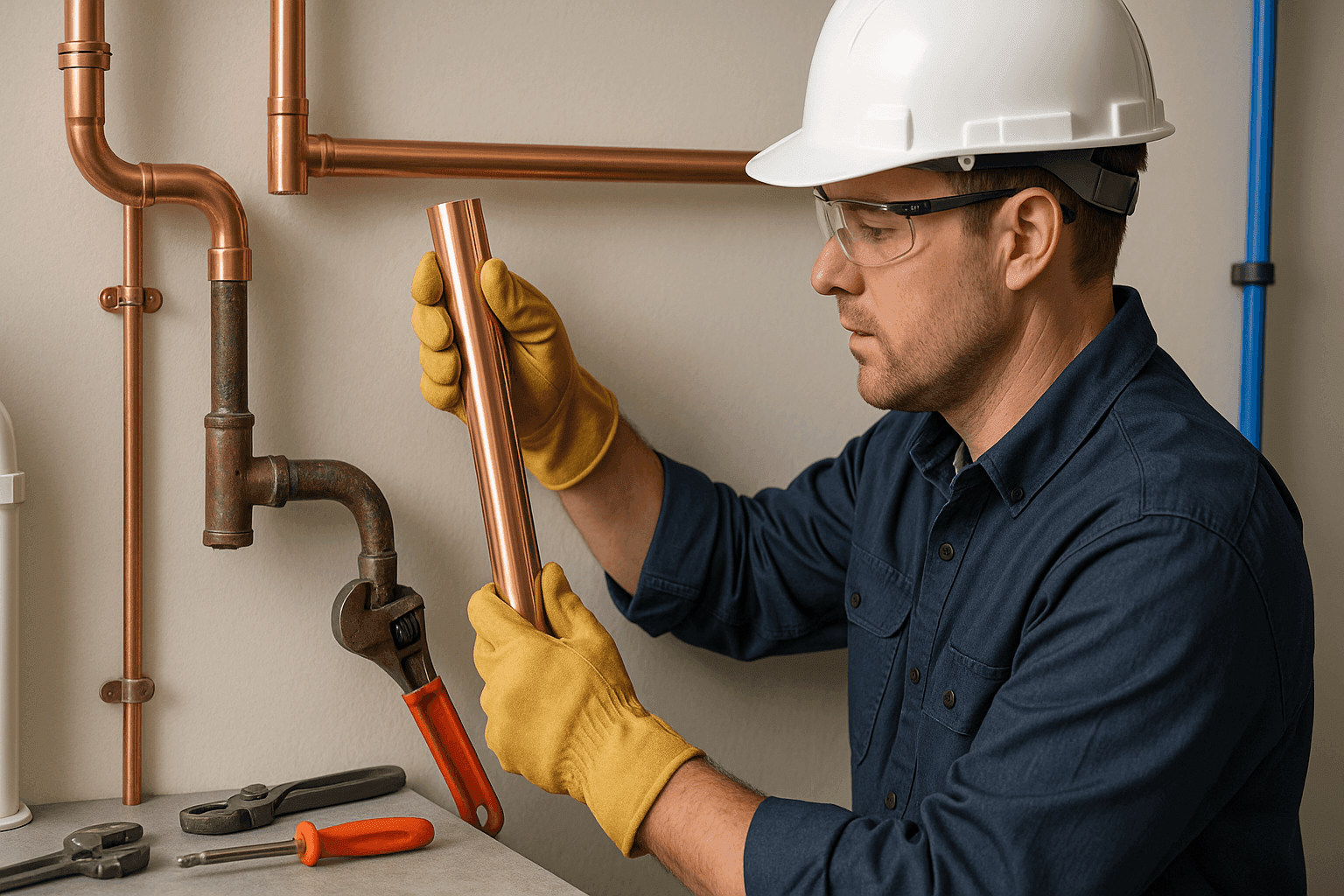
If your home’s plumbing is starting to feel more like a patchwork quilt than a reliable system, you’re not alone. Pipes age, corrode, and—sometimes when you least expect it—fail. At Rafi Plumbing, we’ve helped countless homeowners and businesses face the reality of old, failing pipes.
When leaks stack up or rust colors your tap water, it’s time to stop patching and start planning. Repiping can sound daunting, but with the right team, it can be a smooth transition to peace of mind. Here’s what you need to know.
Signs It’s Time 🛑
How do you know when your pipes are waving the white flag? Here are the most common signals:
- Frequent Leaks: If you’re chasing leaks month after month, your pipes may be too worn to hold up much longer.
- Water Discoloration: Rusty, brown, or yellow water is a red flag—especially after periods of low use. This can mean your pipes are corroding from the inside out.
- Low Water Pressure: Homes and businesses with old galvanized or corroded pipes often experience weak showers and slow-filling sinks.
- Odd Tastes or Smells: Metallic or musty water can be a sign of pipe corrosion or buildup.
- Visible Corrosion: If you see green, blue, or white crust on exposed pipes, trouble is brewing inside.
- Old Pipe Materials: Homes built before 1970 often used materials now considered risky, like galvanized steel or polybutylene, which are more likely to fail.
According to the International Association of Certified Home Inspectors (InterNACHI), many pipe types have a lifespan of only 40–70 years. If your home is older, or you’re seeing these symptoms, repiping should be on your radar.
Repiping Process: What to Expect
Think of repiping like open-heart surgery for your plumbing. The idea is to replace all—or most—of your water supply lines with new, dependable materials. Here’s how the process usually unfolds:
-
Assessment & Planning
- Rafi Plumbing inspects your current system, checks for code compliance, and maps out which pipes need replacing.
- We’ll discuss your water needs, future plans, and preferred materials.
-
Preparation
- Clear areas near walls, floors, or ceilings where pipes run.
- Water is shut off only in sections, so you’re not left dry for days.
-
Installation
- Old pipes are removed or bypassed.
- New pipes are carefully threaded through walls, ceilings, and floors.
- Fixtures like sinks, water heaters, and toilets are reconnected as we go.
-
Testing & Inspection
- We pressure-test the system for leaks.
- Local inspectors check for code compliance and safety.
-
Restoration
- Walls and ceilings are patched.
- We clean up, leaving your home or business neat and functional.
A typical repipe can take 2–7 days, depending on the size and layout of your property. During this time, you’ll have water access for most of the process, except for brief shutoffs.
Cost Factors
Repiping is an investment, but it’s also a long-term fix—like putting a new roof on your home. Here’s what shapes the price:
- Property Size & Number of Fixtures: More bathrooms and fixtures mean more piping, which increases labor and material costs.
- Pipe Material: Copper, PEX, and CPVC all have different price points and lifespans.
- Accessibility: If pipes are buried deep in walls, floors, or behind cabinets, labor goes up.
- Local Code Requirements: Some areas have specific mandates for pipe materials or insulation.
- Emergency Plumbing Needs: If you need repiping after a sudden pipe burst, costs may be higher due to urgency and potential water damage.
The upside: Repiping cuts down on future leaks, improves water quality, and boosts property value. You’ll save on repairs and water bills, and the peace of mind is priceless.
Choosing Materials 🛠️
Picking the right piping material is like choosing the right shoes for a marathon. Here are the most common options:
- Copper: Durable, time-tested, and resists bacteria. More expensive than other choices but boasts a lifespan of 50+ years.
- PEX (Cross-linked Polyethylene): Flexible, resistant to scale and chlorine, and easier to install in tight spaces. Budget-friendly and long-lasting.
- CPVC (Chlorinated Polyvinyl Chloride): Great for both hot and cold water, resistant to corrosion, and cost-effective.
At Rafi Plumbing, we’ll walk you through the pros and cons of each for your property and budget. We follow Uniform Plumbing Code (UPC) and local building codes to ensure your new system is safe and up to date.
What to Expect During Repiping
Worried about disruption? Here’s what daily life looks like during a repipe:
- Some Dust and Noise: We do our best to minimize mess, but you’ll hear our tools and see some drywall dust.
- Water Access: You’ll have water at the end of each workday, and we’ll coordinate with you to minimize inconvenience.
- Professional Communication: Our team keeps you updated each step of the way.
And when the job’s done? You’ll notice faster water flow, clear water, and a home that’s ready for decades ahead.
Rafi’s Repiping Expertise & Warranty
With years of experience in emergency plumbing, Water Heater Installation near you, and complete repiping, Rafi Plumbing brings a steady hand to every project. Our work is built to last—and we back that up with a clear workmanship warranty. Your satisfaction and safety are our priority, from the first pipe to the last cleanup.
Practical Tips for Homeowners
- Keep an Eye on Water Bills: Spikes can mean hidden leaks.
- Know Your Pipes’ Age: If your home is over 40, have your plumbing inspected.
- Plan for the Future: Consider repiping before a kitchen or bathroom remodel—it’s easier and often cheaper.
References
- Uniform Plumbing Code (UPC)
- International Association of Certified Home Inspectors (InterNACHI)
- American Water Works Association (AWWA)
Ready for Peace of Mind?
Don’t let old pipes keep you guessing. If you’re seeing the signs—or just want to know your options—reach out today.
Call Rafi Plumbing now — or reach us anytime at 888-600-0415 .