Preventing Plumbing Emergencies: Essential Tips for Homeowners and Small Businesses
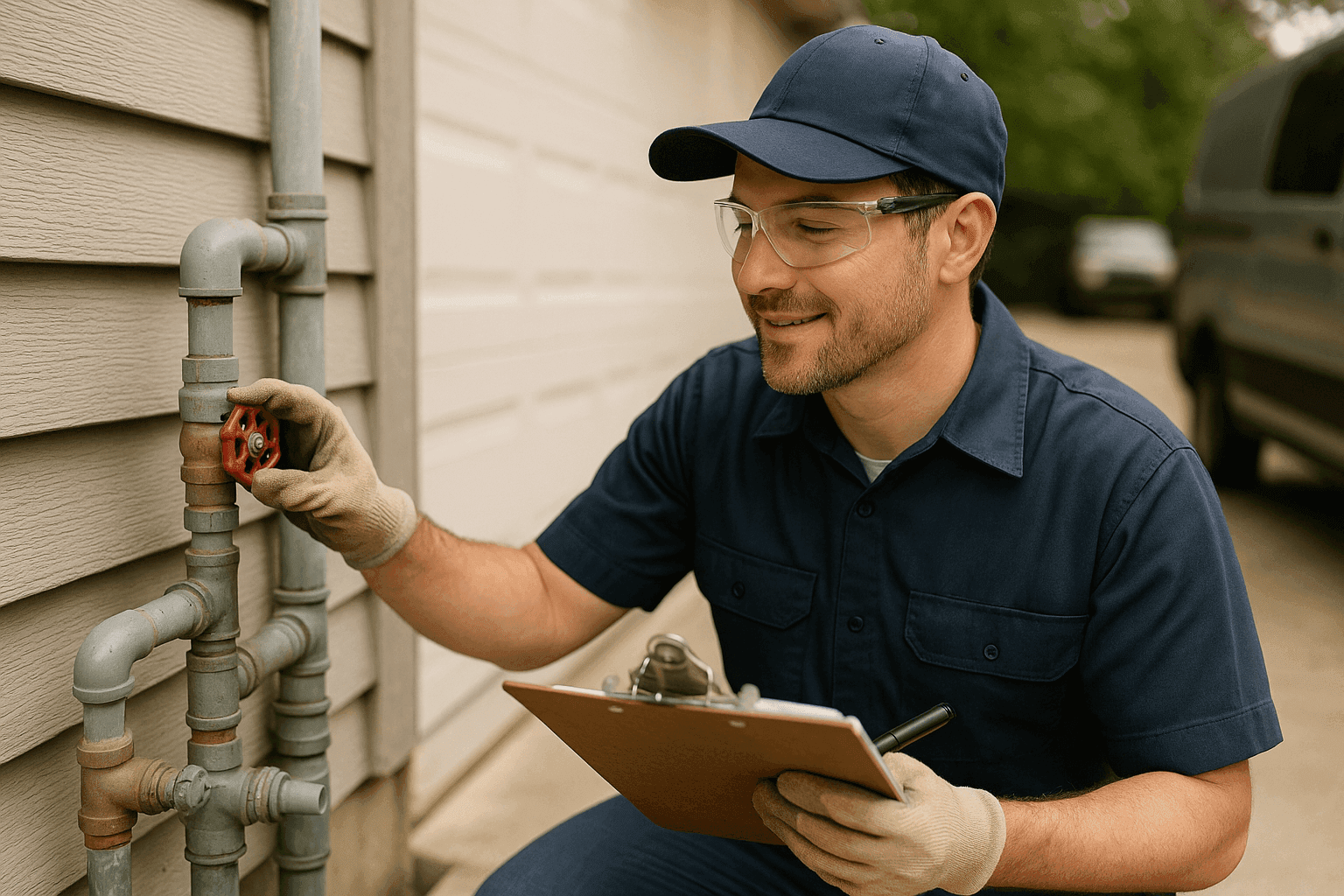
Plumbing emergencies can strike like a sudden summer storm—unexpected, disruptive, and often costly. Whether you’re a homeowner or run a small business, a burst pipe or overflowing toilet can turn a regular day upside down.
At Rafi Plumbing, we’ve seen how a little prevention can go a long way. With the right know-how and regular care, you can keep your plumbing system running smoothly and avoid those frantic emergency calls.
Understanding Common Plumbing Emergencies 🚨
Plumbing emergencies rarely announce themselves. One minute, everything’s fine—the next, water is pooling under your sink or gushing from a pipe in the wall. The most common culprits include:
- Leaking pipes: A small drip can grow into a flood if ignored.
- Clogged drains and toilets: Hair, grease, and foreign objects are frequent offenders.
- Burst pipes: Often caused by freezing temperatures or old, weakened materials.
- Water heater failures: Cold showers and possible leaks if left unchecked.
- Sewer line backups: Unpleasant and potentially hazardous.
These issues don’t just damage property—they can disrupt daily life and even pose health risks. According to the International Association of Certified Home Inspectors (InterNACHI), water damage from plumbing failures is one of the leading causes of property loss. That’s why proactive care is so important.
Routine Maintenance Tasks to Prevent Emergencies
Think of your plumbing system like the circulatory system in your body. It needs regular check-ups and a bit of TLC to stay healthy. Here’s what you can do:
Check for Leaks Regularly
- Inspect under sinks, around toilets, and behind appliances.
- Look for damp spots, mold, or musty smells.
- Address even tiny leaks immediately—water can travel far and cause hidden damage.
Keep Drains Clear
- Avoid pouring grease, coffee grounds, or fibrous foods down the kitchen sink.
- Use drain screens in showers and tubs to catch hair and debris.
- Run hot water down your drains weekly to help move along buildup.
Test Water Pressure
- High water pressure can stress pipes and fixtures, leading to leaks.
- Use an inexpensive gauge to check; most homes do best between 40–60 psi.
- If pressure is too high, a pressure regulator may be needed.
Flush Your Water Heater
- Sediment buildup can cause inefficiency or leaks.
- Drain a few gallons from the tank every 6–12 months (follow manufacturer guidelines).
Inspect Fixtures and Appliances
- Check hoses on washing machines and dishwashers for cracks or bulges.
- Replace old supply lines with braided stainless steel when possible.
Schedule Preventative Maintenance
- Regular professional inspections can catch small issues before they become emergencies.
- Ask about preventative maintenance plans to stay ahead of problems.
Seasonal Plumbing Tips for Year-Round Protection
Just as you swap out wardrobes with the seasons, your plumbing needs change too. Here’s how to prepare:
Winter: Guard Against Frozen Pipes
- Insulate pipes in unheated areas like basements and crawl spaces.
- Let faucets drip during extreme cold to keep water moving.
- Disconnect outdoor hoses and shut off exterior spigots.
Spring: Check for Winter Damage
- Inspect for leaks or cracks caused by freezing.
- Clear gutters and downspouts to direct water away from your foundation.
Summer: Watch for Tree Roots
- Tree roots seek out water and can invade sewer lines.
- If you notice slow drains or gurgling sounds, have your lines inspected.
Fall: Prepare for Colder Weather
- Service your water heater for the busy winter season.
- Test sump pumps to ensure they’re ready for heavy rains.
When to Call a Professional for Preventative Inspections 🛠️
Some tasks are perfect for DIY. Others need a trained eye and the right equipment. If you notice any of these signs, it’s time to bring in a pro:
- Persistent leaks, even after tightening connections.
- Recurring clogs or slow drains.
- Unusual noises from pipes or water heater.
- Water stains on ceilings or walls.
- Sudden drops in water pressure.
- Foul odors from drains or sewer lines.
A licensed plumber can perform:
- Video sewer inspections to spot hidden blockages.
- Backflow testing to protect your water supply.
- Gas line checks for safety.
- Comprehensive leak detection using advanced tools.
Professional inspections aren’t just for emergencies—they’re an investment in your property’s safety and value. The Uniform Plumbing Code and Occupational Safety and Health Administration (OSHA) both stress the importance of regular maintenance and safety checks.
Quick Safety Checklist for Homeowners and Small Businesses
- Know where your main water shut-off valve is located.
- Keep emergency plumbing contacts handy.
- Never use chemical drain cleaners—they can damage pipes and harm the environment.
- Install water leak detectors in vulnerable areas.
- Make sure all plumbing work meets local code requirements.
DIY vs. Calling a Pro
Some fixes are straightforward—tightening a loose faucet, using a plunger, or replacing a washer. But when you’re dealing with:
- Hidden leaks
- Gas lines
- Sewer backups
- Repeated clogs
…it’s safer and usually more cost-effective to call a professional. Mistakes with plumbing aren’t just inconvenient—they can be hazardous.
What Professionals Do on Arrival
When a Rafi Plumbing technician arrives, you can expect:
- A thorough inspection using specialized tools.
- Clear explanations of any issues found.
- Recommendations based on current safety codes and best practices.
- Respect for your property and time.
We follow industry standards and safety protocols, ensuring every job is handled with care.
Prevention & Maintenance: The Long Game
Preventing emergencies is about building habits:
- Schedule annual plumbing check-ups.
- Replace aging pipes and fixtures before they fail.
- Consider water filtration systems to protect appliances and improve water quality.
- Invest in backflow prevention to safeguard your drinking water.
Regular maintenance is like changing the oil in your car—a little effort now saves big headaches later.
Costs & Time Factors
Preventative maintenance is almost always less expensive than emergency repairs. While costs vary based on the service, routine inspections and minor repairs typically take less time and cause less disruption.
Emergency plumbing jobs can be more complex, often requiring immediate attention and specialized equipment. That’s why prevention pays off—not just in money, but in peace of mind.
When It’s an Emergency
If you experience:
- Sudden flooding
- No water at all
- Burst pipes
- Sewer backups
- Gas smells
—turn off your main water (or gas) supply and call for emergency plumbing help right away. Quick action can minimize damage and keep everyone safe.
FAQ: Common Questions About Plumbing Emergencies
How often should I have my plumbing inspected?
Most homes and businesses benefit from annual inspections. Older properties or those with frequent issues may need more frequent checks.
What are the warning signs of a plumbing emergency?
Watch for unexplained water on floors, persistent damp smells, slow drains, gurgling pipes, or visible mold. These can signal hidden leaks or blockages.
Can I use chemical drain cleaners for clogs?
It’s best to avoid them. They can corrode pipes, harm the environment, and sometimes make the problem worse. Mechanical methods or professional drain cleaning are safer.
What should I do if I smell gas near my plumbing?
Leave the area immediately and call for professional help. Gas leaks are serious and require urgent attention.
Special Considerations for Homeowners and Small Businesses
Every property is unique. Small businesses may have specialized fixtures, commercial-grade water heaters, or higher usage rates. Homeowners might face challenges with older plumbing or renovations.
No matter your situation, the key is regular attention. Proactive care is the best insurance against costly disruptions. And if you’re ever in doubt, reaching out for professional advice is always a smart move.
Call Rafi Plumbing now — or reach us anytime at 888-600-0415 .