Leak Repair 101: Fast Solutions for Water Damage Prevention
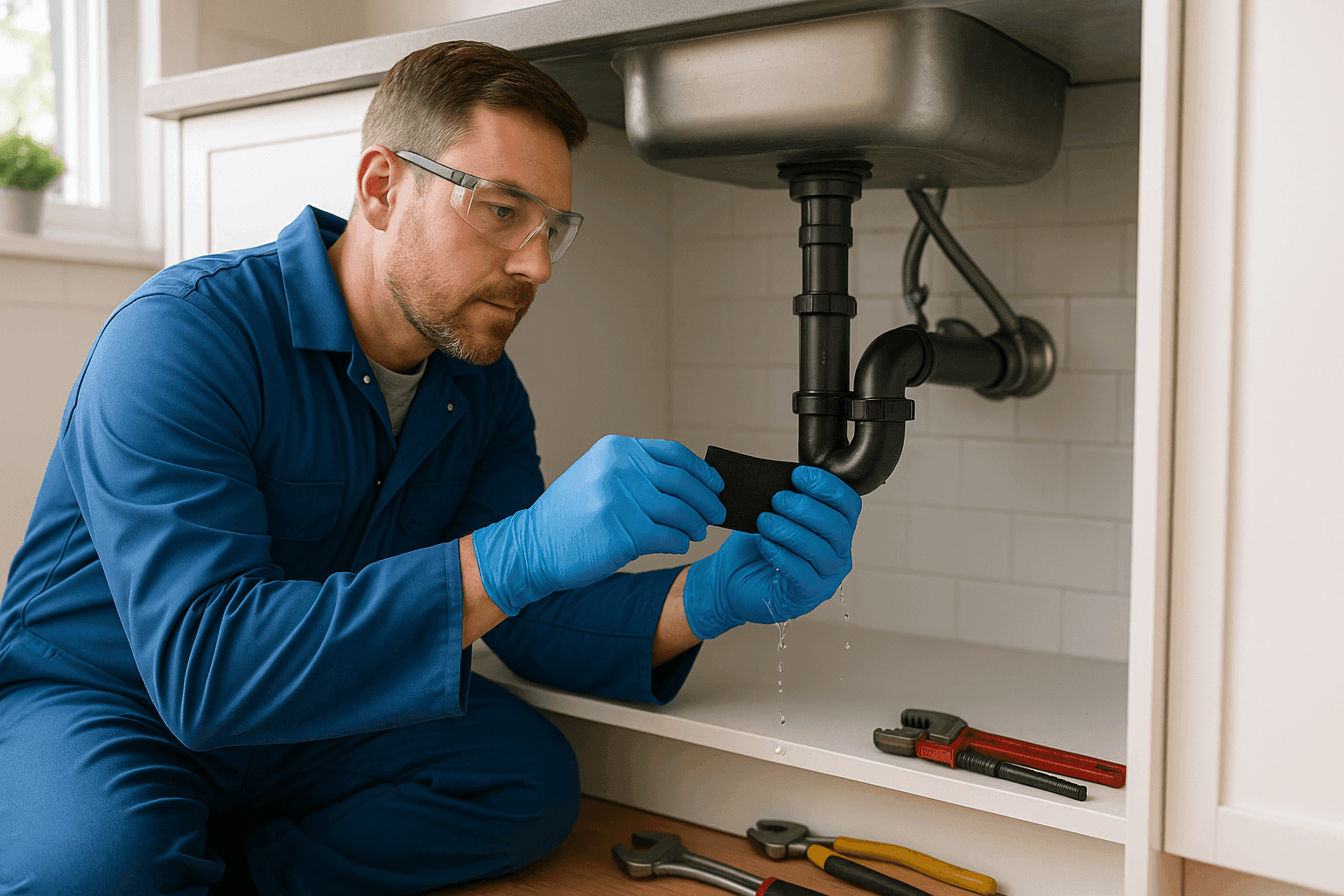
Water leaks don’t respect your schedule. They strike in the middle of the night, on holidays, or just when you’re heading out the door. The truth is, even a small drip can snowball into flooring ruined, walls warped, and thousands in repairs. Acting fast matters.
At Rafi Plumbing, we’ve tackled leaks in homes, offices, and busy restaurants for years. We know how stressful water damage can be. This guide walks you through the early warning signs, immediate steps, and repair options—so you can stop leaks before they soak your peace of mind.
Spotting Leaks Early 🕵️
Leaks are sneaky. They often whisper instead of shout. But if you know what to listen and look for, you can catch them before they become a flood.
- Unusual Sounds: Hear hissing, trickling, or bubbling when all faucets are off? That’s often water escaping where it shouldn’t.
- Stains or Discoloration: Yellow spots on ceilings, warped flooring, or damp drywall are classic leak fingerprints.
- Musty Odors: That earthy, basement smell? Mold and mildew love hidden moisture.
- Water Meter Test: Turn off all water-using appliances. If your meter still spins, you’ve likely got a hidden leak.
- Spike in Water Bills: A sudden jump in your bill, even when usage hasn’t changed, is a red flag.
Leaks can lurk behind walls, beneath slabs, or inside cabinets. Don’t ignore what your home is telling you.
Emergency Containment
Time is the enemy when water is flowing where it shouldn’t. Here’s how to hold the line until help arrives:
- Shut Off the Water: Know where your main shutoff valve is. Twist it off—clockwise—to stop the flow.
- Kill the Power: If water is near electrical outlets or appliances, turn off the electricity for that area at your breaker. Water and electricity are a dangerous mix.
- Contain the Spread: Place buckets under drips. Use towels, mops, or even baking sheets to channel water away from valuables.
- Relieve Pressure: Open cold taps elsewhere to drain remaining water from pipes.
- Move Belongings: Relocate electronics, rugs, and furniture from the wet zone.
- Document Everything: Snap photos of the leak and any damage for your insurance claim.
If the leak is from a gas water heater or involves a gas line, follow all manufacturer safety instructions and call for emergency plumbing assistance immediately. The National Fire Protection Association (NFPA) offers safety tips for gas and electrical hazards in these situations.
Repair Solutions
The right fix depends on the leak’s source, severity, and location. Here’s what you can expect:
Temporary Band-Aids
- Pipe Tape or Epoxy Putty: For pinhole leaks, wrap with plumber’s tape or apply epoxy as a stopgap.
- Rubber Patch and Clamp: A thick rubber sheet (even a garden glove) and a hose clamp can halt a spray until repairs are made.
- Bucket Brigade: Sometimes, it’s all about catching the water until the plumber arrives.
These are just speed bumps. They buy you time, not a solution.
Permanent Repairs
- Pipe Replacement: For cracks, corrosion, or burst pipes, a section may need to be cut out and replaced.
- Soldering or Welding: Copper pipes are often repaired with soldering. Steel or iron pipes may need welding.
- Fitting Replacement: Leaky joints might require new fittings, gaskets, or thread sealant.
- Sealant and Liner Methods: For sewer or drain lines, trenchless repairs using epoxy liners can fix leaks with minimal digging.
- Repiping: In older homes with recurring leaks, whole-house repiping could be the most cost-effective long-term fix.
Every fix must meet local building codes and plumbing standards (refer to the International Plumbing Code or your municipality’s guidelines).
Prevention Tips 🛠️
Stopping leaks before they start is like having an umbrella in a downpour. Here’s how to stay dry:
- Regular Inspections: Check under sinks, behind toilets, and around water heaters every few months.
- Preventative Maintenance: Schedule routine checks for water pressure, pipe corrosion, and appliance connections.
- Insulate Pipes: Cold climates? Wrap pipes to prevent winter bursts.
- Replace Old Hoses: Washing machine and dishwasher hoses should be replaced every 3–5 years.
- Install Leak Detectors: Smart sensors can alert you to leaks before they cause damage.
- Know Your Plumbing: Label shut-off valves and keep a diagram of your plumbing system handy.
Simple habits save big headaches.
Insurance Tips
Water damage claims can be tricky. Here’s how to make sure you’re covered:
- Act Fast: Most policies require prompt action to limit damage.
- Document Damage: Take clear photos and keep records of all repairs.
- Contact Your Insurer Early: Report the incident as soon as possible.
- Save Receipts: For emergency plumbing, repairs, and any damaged property.
Check your policy for exclusions (like gradual leaks or poor maintenance). Not all leaks are covered, but proof of regular upkeep goes a long way.
Why Fast Response Matters
A slow leak can turn a minor repair into a major renovation. Water seeps into drywall, insulation, and flooring—creating a breeding ground for mold and structural damage. Every minute counts.
That’s why Rafi Plumbing offers emergency plumbing services 24/7. We understand the urgency, whether you’re facing a dripping ceiling at home or a flooded restroom at your business.
When to Call for Emergency Plumbing
Some leaks can wait. Others can’t. Call for emergency help if:
- Water is pouring or spraying uncontrollably
- Leak is near electrical wiring or your fuse box
- Sewage or gas is involved
- You can’t stop the flow with shutoff valves
- It’s after hours and you need immediate containment
Plumbing emergencies don’t watch the clock—and neither do we.
FAQ
How do I find my main water shutoff valve?
Usually, it’s in the basement, crawlspace, garage, or outside along your foundation. It looks like a wheel or lever on a pipe. If you’re unsure, ask your plumber during your next preventative maintenance visit.
Is a small drip really an emergency?
Sometimes, yes. A slow leak can cause mold, ruin cabinets, and weaken floorboards over time. If you can’t locate or stop it, it’s best to call for help.
Can I use duct tape for a leaking pipe?
Duct tape is a very temporary fix—think minutes, not days. Use it only to contain a leak until you can shut off the water or a plumber arrives.
How long does a typical leak repair take?
Minor repairs (like tightening fittings) can take under an hour. Pipe replacements or repairs behind walls may take several hours, especially if drying and cleanup are required.
Local/Seasonal Considerations 🌦️
- Winter: Frozen pipes are a leading cause of leaks. Keep heat above 55°F and insulate exposed pipes.
- Spring: Melting snow and heavy rain can reveal old leaks or cause new ones, especially in basements.
- Older Homes: Galvanized steel and polybutylene pipes are prone to corrosion and leaks; consider repiping.
Whether you’re dealing with a burst pipe during a January cold snap or a sneaky leak after a summer storm, Rafi Plumbing is ready to respond.
Take Action Now
Water damage won’t wait—and neither should you. If you suspect a leak or see signs of water where it doesn’t belong, don’t hesitate. Fast action limits damage, saves money, and keeps your property safe.
Call Rafi Plumbing now — or reach us anytime at 888-600-0415 .