How to Unclog a Toilet Fast: Step-by-Step Solutions
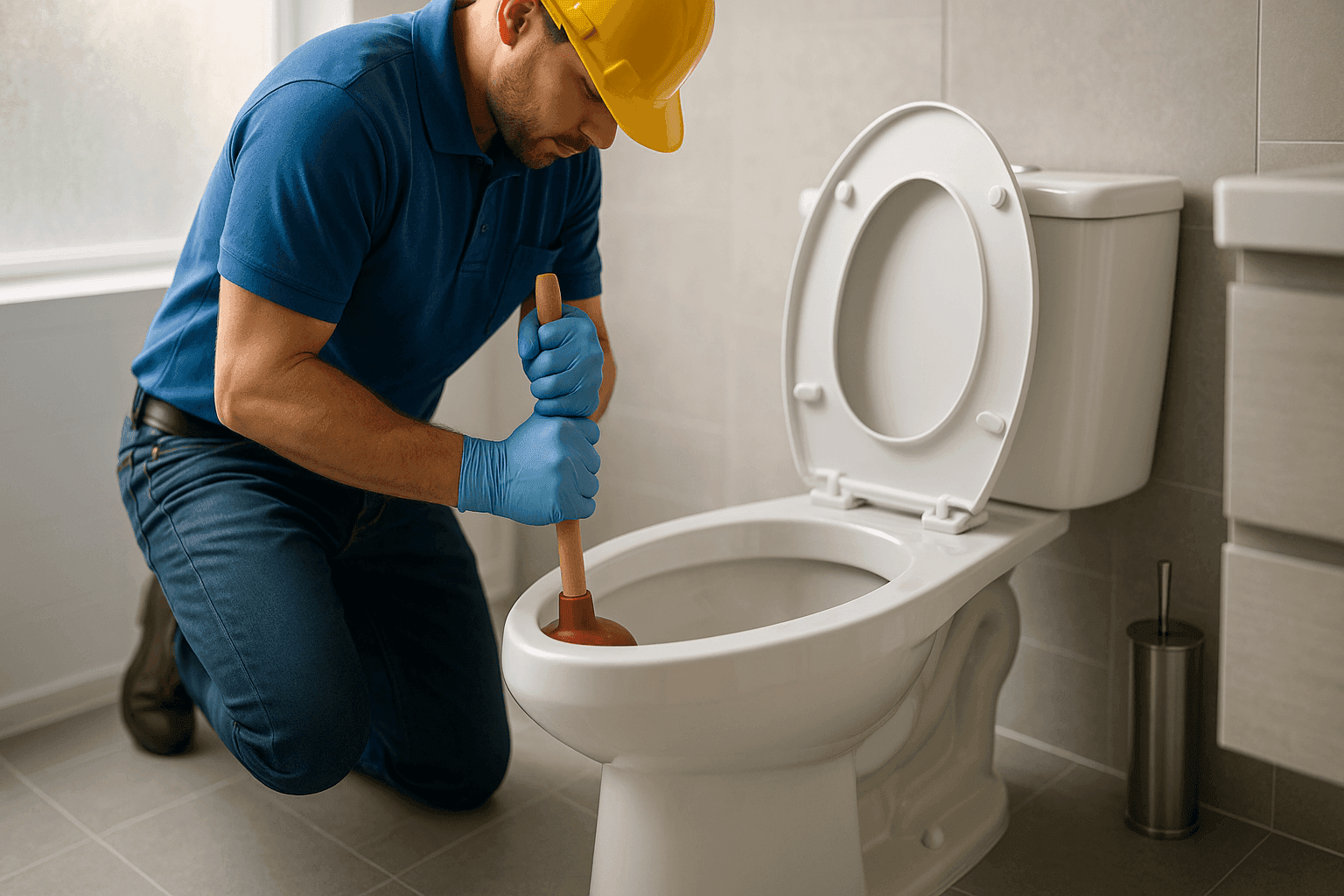
No one wants to face a stubborn toilet clog—especially when it happens at the worst possible moment. You’re not alone. At Rafi Plumbing, we’ve helped countless homes and businesses restore peace (and flow) after an unexpected backup.
Whether you’re staring down a rising water line or just want to avoid a future mess, you don’t need to panic. With the right steps, you can often fix the problem quickly—and safely. Let’s walk through exactly how.
Common Causes of Toilet Clogs 🚽
Toilet clogs happen for a handful of reasons. Sometimes, it’s a simple mistake. Other times, it’s repeated habits that sneak up on you.
- Too much toilet paper: The most common culprit. Even “flushable” wipes can build up.
- Foreign objects: Kids’ toys, cotton swabs, dental floss—none belong in the bowl.
- Low-flow toilets: Older models or water-saving types can clog easier if not used properly.
- Aging pipes: Over time, minerals and debris narrow passages.
- Sewer line issues: Tree roots or collapsed pipes can cause major blockages.
Think of your plumbing like a highway. When something big gets stuck, traffic jams fast.
Plunger Techniques: Tools & Steps That Work
A plunger is your first line of defense. But not all plungers are created equal.
Types of Plungers
- Cup Plunger: Flat-bottomed, best for sinks—not toilets.
- Flange Plunger: Has an extra rubber “skirt” that fits toilets perfectly.
- Accordion Plunger: Hard plastic, creates a strong force, but takes muscle.
For toilets, always reach for a flange plunger if you have one.
Step-by-Step Unclogging
- Stop the overflow: If water’s rising, remove the tank lid and push the flapper down. This stops more water from entering the bowl.
- Protect the floor: Lay down old towels or newspaper. Messes happen.
- Get a good seal: Place the plunger’s rubber flange snugly in the drain hole.
- Plunge with purpose: Push down slowly, then pull up with force. Repeat 10–20 times. You should feel water moving.
- Check progress: Remove the plunger. If the water drains, try a flush. If not, repeat.
- Try hot water (not boiling): Pour a bucket of very warm water from waist height. Sometimes the heat and force will break up the blockage.
If these steps don’t clear it, the clog may be deeper or made of tougher material.
When to Call a Pro
Some clogs are stubborn. Here’s when it’s smart to call Rafi Plumbing for emergency plumbing help:
- The water won’t go down after several tries.
- You hear strange gurgling from other drains.
- Water backs up into showers or sinks.
- You suspect a toy or solid object is stuck.
- You notice foul odors or see sewage.
Don’t wait until dirty water is spilling onto your floors. Our team is ready 24/7.
How to Avoid Overflow Disasters
A toilet on the edge of overflowing can turn a small problem into a soaked, smelly headache. Here’s how to hit pause:
- Don’t keep flushing. Each flush adds more water and risk.
- Turn off the toilet’s water supply. The shutoff valve is usually on the wall behind the toilet—turn it clockwise.
- Mop up spills quickly to prevent water damage and slippery floors.
If things are getting out of control, call an emergency plumber right away.
Prevention Tips: Keep Things Flowing Smoothly 🛠️
A few simple habits can save you from future headaches:
- Only flush human waste and toilet paper. No wipes, paper towels, or hygiene products.
- Limit toilet paper use, especially with low-flow models.
- Teach kids what can—and can’t—go down the toilet.
- Regularly inspect your pipes if you’ve experienced frequent clogs.
- Schedule annual drain cleaning or sewer line inspection with professionals.
The US Environmental Protection Agency recommends routine checks to keep your plumbing system in top shape.
Quick Safety Checklist
Before tackling a clog, remember these basics:
- Gloves on—protect your hands from germs.
- Proper ventilation—open a window if possible.
- Never mix drain cleaners with other chemicals. Toxic fumes can result.
- Use tools as intended. Never force a plumbing snake; it can damage pipes.
If you’re unsure, always err on the side of caution.
DIY vs. Call a Pro
DIY works for minor, shallow clogs. But if your efforts aren’t working—or something seems off—it’s time for a professional.
DIY is best for:
- Single, recent clogs
- No backup elsewhere
- No visible foreign object
Call a pro if:
- There’s a recurring problem
- Multiple drains are affected
- Sewage or bad odors are present
Rafi Plumbing offers emergency plumbing for both residential and commercial clients. We’re here when you need us most.
What Pros Do On Arrival
Curious what happens when you call for help? Here’s our playbook:
- Assess the situation: We check for visible blockages and test other fixtures.
- Use professional-grade tools: From powerful plungers to high-torque augers or drain cameras.
- Identify underlying issues: Sometimes a clog means trouble deeper in your sewer line.
- Restore your space: We clean up and provide advice to prevent future problems.
We follow local plumbing codes and safety guidelines—every time.
Prevention & Maintenance
Regular maintenance is key to avoiding clogs. Consider:
- Water Heater Installation near you for steady, reliable hot water—critical for proper flushing.
- Scheduling backflow testing and prevention annually.
- Routine drain cleaning to break up buildup before it’s a problem.
Stay ahead of issues with small, simple steps.
Costs & Time Factors
Unclogging a toilet can take anywhere from 10 minutes to over an hour, depending on the severity. DIY is usually fast, but deeper blockages require more time and professional equipment. Costs vary based on the issue’s complexity and time of day (after-hours emergency plumbing often costs more).
Keep in mind: If you catch a clog early, you’ll save time and money.
When It’s an Emergency
Sometimes, a clog turns into a crisis. Here’s when it’s officially an emergency:
- Water is spilling onto the floor, risking property damage.
- You can’t use any toilets and need a quick fix.
- Sewage is backing up anywhere in the building.
- You’re a business and need to stay open.
Don’t risk health or property. Rafi Plumbing is ready to respond—day or night.
FAQ
How do I know if the clog is in the toilet or deeper in the pipes?
If other drains (like sinks or tubs) are slow or backing up, the issue is likely farther down the line.
Can I use chemical drain cleaners?
It’s best to avoid them. They can damage your pipes and may not work on solid blockages. Stick to plungers or call a pro.
Is it safe to flush if the water goes down slowly?
No. Wait until the bowl is empty before trying again, or you risk a messy overflow.
What if I don’t have a plunger?
Try hot water and dish soap first. If the clog stays, get a plunger or call Rafi Plumbing.
Local/Seasonal Considerations 🌦️
In colder months, pipes can contract and make clogs more likely—especially in older buildings. Heavy rainfall can also stress sewer lines, leading to unexpected backups. If you notice slow drains during these times, take action early.
Remember, Rafi Plumbing serves both homes and businesses with 24/7 emergency plumbing. Whether you need Water Heater Installation near you, drain cleaning, or urgent repairs, our team is always ready.
Call Rafi Plumbing now — or reach us anytime at 888-600-0415 .