How to Safely Shut Off Your Water and Gas During a Plumbing Emergency
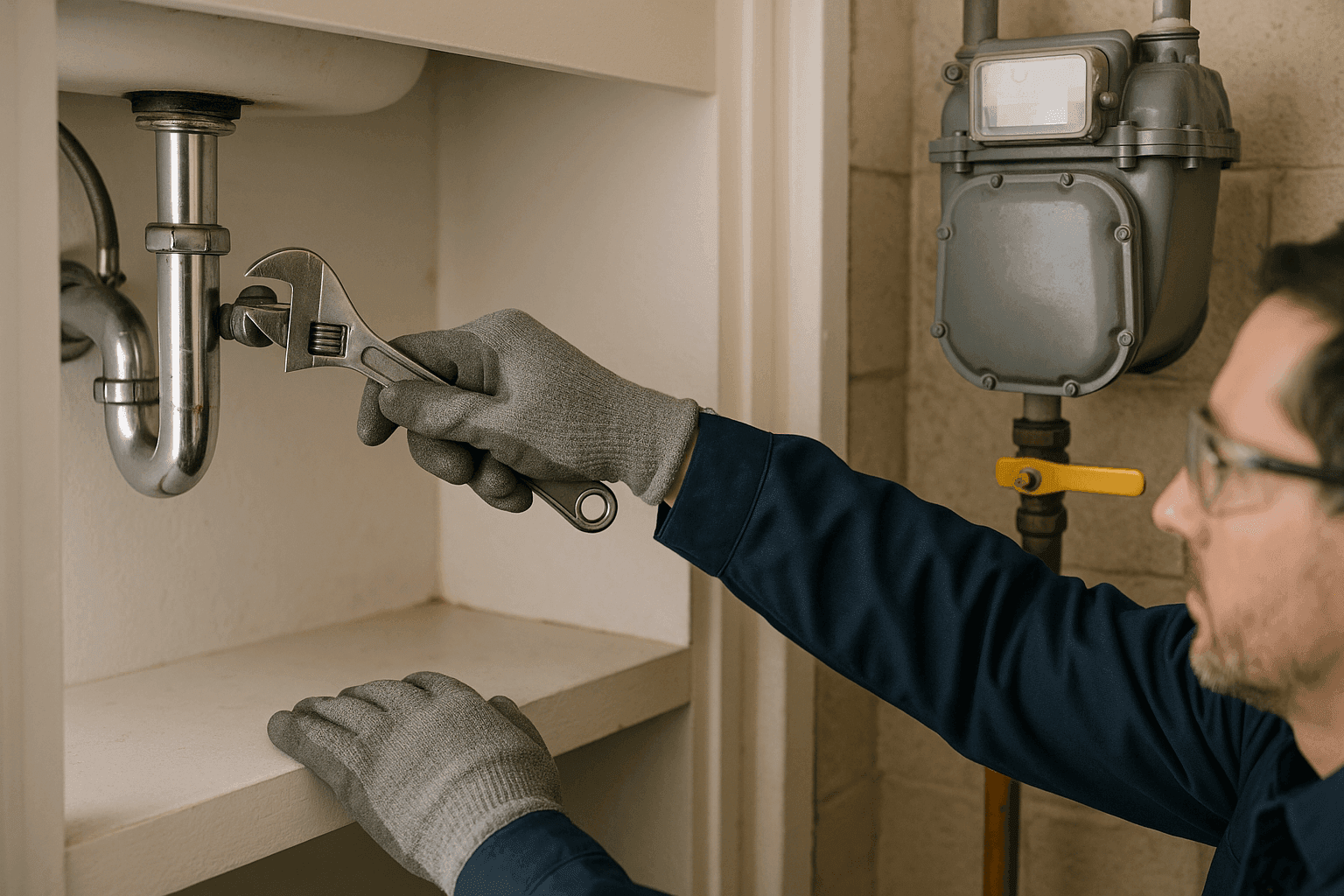
Emergencies knock when you least expect them. A burst pipe or a sudden gas leak can turn a peaceful day into a mad scramble. In those moments, knowing how to act—fast and smart—can mean the difference between a minor hiccup and a major disaster.
At Rafi Plumbing, we’ve seen firsthand how a few quick actions can save thousands in damage and keep families safe. With this guide, you’ll learn exactly what to do when water or gas trouble strikes.
Why Knowing Your Shut-Offs Matters
Imagine water gushing like a fire hydrant from under your sink. Or a faint, rotten-egg smell creeping through your kitchen. These aren’t just headaches—they’re emergencies. Every second counts, and knowing where your shut-off valves are can help you take control before things spiral.
Identifying Your Main Water Shut-Off Valve 🚰
Most homes and businesses have a main water shut-off valve. Think of it as the big “off switch” for all your plumbing. It’s usually found:
- Where the water line enters your building (often in a basement, crawl space, or utility closet)
- Near your water meter
- Along an exterior wall (sometimes outside in a box)
Tip: If you have a water meter, the shut-off is often just before or after it.
Step-by-Step: Turning Off Your Water
- Locate the Valve: Look for a round wheel (gate valve) or a straight lever (ball valve).
- Turn It:
- Gate valve: Rotate clockwise until it stops (“righty-tighty”).
- Ball valve: Turn the lever perpendicular (90 degrees) to the pipe.
- Check: Open a faucet to make sure water stops flowing.
If you can’t find your main shut-off, check your property inspection report or ask your plumber during your next maintenance visit.
Identifying Your Gas Shut-Off Valve
Gas emergencies are serious. Natural gas is odorized with mercaptan—a smell like sulfur or rotten eggs—so you’ll know if it’s leaking. The main shut-off is usually:
- Outside the building, where the gas line meets your meter
- Sometimes inside, near your furnace or water heater
Important: Only turn off the gas if you suspect a leak and it’s safe to do so. If you smell strong gas, evacuate immediately and call emergency services.
Step-by-Step: Turning Off Your Gas
- Find the Valve: Look for a rectangular knob or lever on the gas pipe next to your meter.
- Use a Wrench: Turn the valve one quarter turn (90 degrees) so it’s perpendicular to the pipe.
- Leave It Off: Do not try to turn gas back on yourself—this requires a licensed professional.
Quick Safety Checklist
- Know where your main water and gas shut-off valves are—before an emergency.
- Keep a wrench near your gas meter for quick access.
- Teach all household members or staff how to shut off water and gas.
- Never use open flames or create sparks if you suspect a gas leak.
- After shutting off gas, wait for a qualified technician to restore service.
- If water is leaking near electrical outlets, do not touch anything—turn off electricity at the main panel if safe.
Common Emergency Scenarios
Burst Pipes
Water can pour out fast, soaking floors, walls, and valuables. Shut off the main water valve immediately. Open faucets to relieve pressure, then call for emergency plumbing help.
Gas Leaks
If you smell gas, don’t wait. Evacuate everyone. Shut off the gas at the meter only if you can do so safely. Call emergency services and your gas provider from outside the building.
Flooding Risks
If a fixture or appliance is overflowing, turn off its local shut-off valve if possible. For major leaks, use the main valve. Move valuables to higher ground and avoid wading through standing water, which may hide hazards.
DIY vs. Call a Pro
Some situations are manageable—like shutting off a valve or tightening a loose fixture. But many emergencies require a licensed plumber. If you’re unsure, don’t gamble. Water and gas are powerful forces. When in doubt, call for help.
DIY:
- Turning off water or gas
- Minor fixture leaks
Call a Pro:
- Persistent leaks or flooding
- Gas odors or suspected leaks
- Broken pipes, major blockages, or appliance failures
What Pros Do On Arrival
When Rafi Plumbing arrives, our licensed team follows strict safety protocols:
- Assess the scene for hazards (water, gas, electrical)
- Confirm all shut-offs are secure
- Identify the source of the problem
- Repair pipes, fixtures, or appliances as needed
- Test for leaks and restore safe service
We follow industry standards from organizations like the International Association of Plumbing and Mechanical Officials (IAPMO) and the National Fire Protection Association (NFPA).
Prevention & Maintenance
A little preparation goes a long way:
- Schedule annual plumbing and gas safety checks
- Label your shut-off valves clearly
- Replace old, corroded valves before they fail
- Install leak detectors and smart water shut-off devices
- Know your appliances’ age and maintenance needs
Regular maintenance can spot trouble before it escalates.
Costs & Time Factors
Shutting off your water or gas is free and takes just minutes. But repairs can range from a quick fix to a major project, depending on the damage. Emergency plumbing services may cost more after hours or on weekends.
Time is money. Acting fast can save both.
When It’s an Emergency
If you’re facing any of these, it’s time to act—now:
- Water flooding rooms or seeping into walls
- Gas smell anywhere in the building
- No water or gas when you need it
- Unusual hissing, banging, or gurgling from pipes
Don’t hesitate. Your safety comes first.
FAQ
What if I can’t find my shut-off valves?
Check your property inspection documents or ask your plumber to show you during your next visit. Label them for future reference.
Can I turn my gas back on myself?
No. Always have a licensed professional restore gas service. This ensures all appliances are checked for safety leaks.
How often should valves be checked?
Inspect and operate your shut-off valves at least once a year. Stuck or corroded valves may not work in an emergency.
Is it safe to use electrical appliances after a flood?
No. Water and electricity are a dangerous mix. Have an electrician inspect your system before turning anything back on.
Special Considerations for This Service
Every property is unique. Older buildings may have hidden or hard-to-reach valves. Commercial spaces often have multiple shut-offs and complex systems. If you’re unsure, ask Rafi Plumbing to walk you through your setup during a maintenance visit.
Remember, safety codes and recommendations from the National Fire Protection Association (NFPA) and International Code Council (ICC) are there for a reason. Following them protects your property and everyone in it.
Call Rafi Plumbing now — or reach us anytime at 888-600-0415 .