How to Prevent Frozen Pipes During Winter Storms
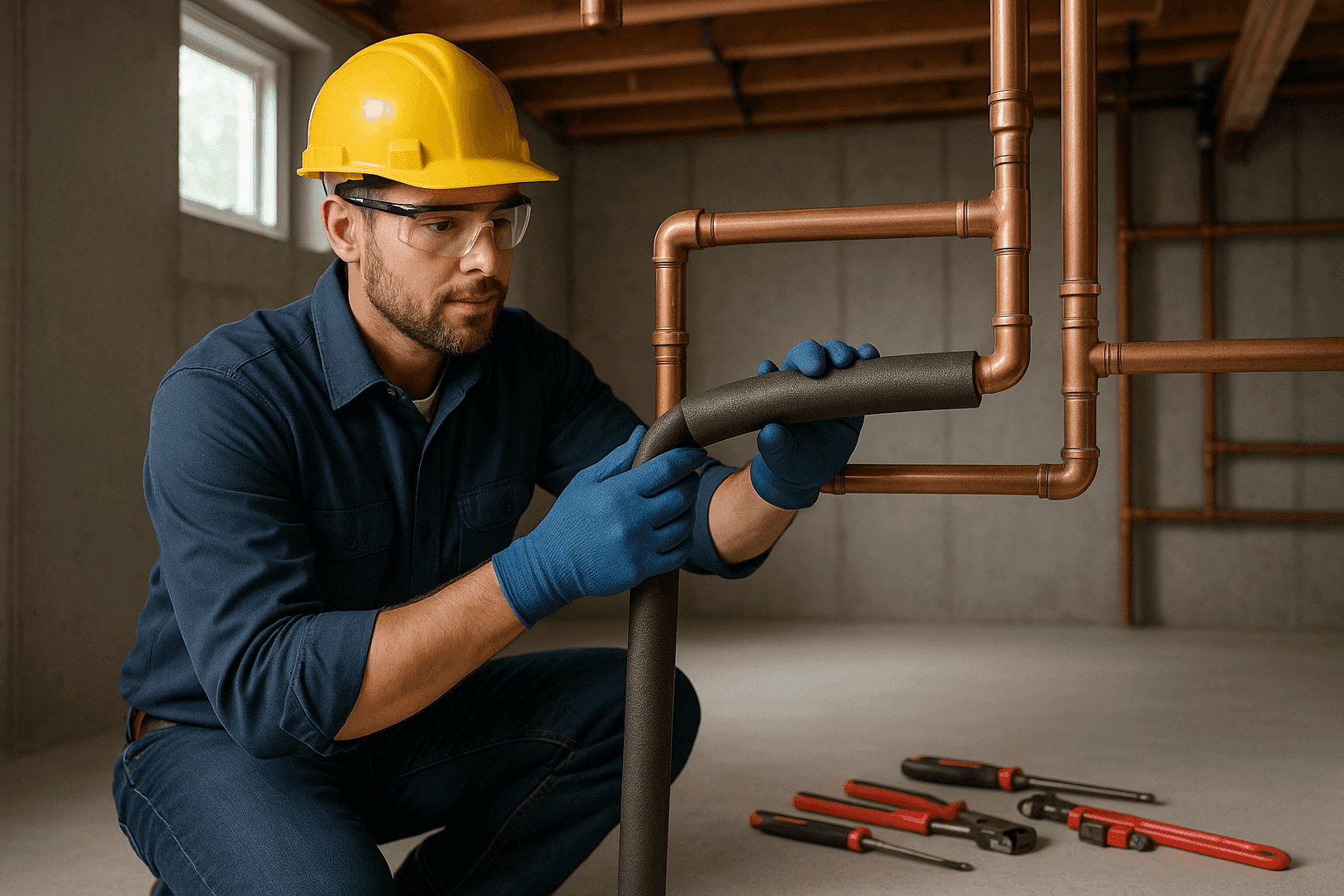
Winter storms can turn a simple plumbing issue into a household disaster. Anyone who’s lived through a cold snap knows the dread of waking up to a frozen pipe—and the damage it can cause. Whether you’re a homeowner worried about your basement or a business manager protecting your investment, frozen pipes don’t discriminate.
At Rafi Plumbing, we’ve seen firsthand how a little prevention can save thousands. Let’s walk through why pipes freeze, the warning signs, what you can do right now to protect your property, and when to call in emergency plumbing help.
Why Pipes Freeze ❄️
Water is sneaky. It expands as it freezes, and pipes—especially those along exterior walls or in unheated spaces—don’t stand a chance. When temperatures drop below 32°F (0°C), water in your pipes can solidify, stretching the pipe walls until they split like an overfilled water balloon.
Here are the most common culprits:
- Pipes in unheated basements, crawl spaces, attics, or garages
- Plumbing running along exterior walls
- Gaps or cracks in insulation letting cold air in
A frozen pipe can block water flow, but the real trouble starts when the ice melts. Suddenly, water surges through any cracks, spilling out and soaking everything in sight. This can ruin floors, walls, and personal belongings in moments.
Signs Your Pipes Might Be Freezing
Don’t wait for a geyser. Watch for these warning signs:
- Very low water pressure or no water at all from faucets
- Frost or condensation on exposed pipes
- Odd smells coming from drains (trapped ice can force sewer gases back up)
- Unusual banging or clanking sounds in the walls
If you spot any of these, act fast. The sooner you respond, the less damage you’ll face.
Prevention Steps
An ounce of prevention is worth a pound of drywall. Here’s what you can do to keep pipes flowing, even when temperatures tumble.
Insulate Vulnerable Pipes
Think of insulation as a warm winter coat for your pipes. Use foam pipe sleeves or even layers of newspaper for a quick fix. Pay special attention to:
- Pipes in unheated areas (basements, garages, crawl spaces)
- Exposed plumbing near exterior walls
Check insulation regularly and replace any that’s wet or worn out. The U.S. Department of Energy recommends at least a ⅛-inch-thick foam wrap for most residential applications.
Let Faucets Drip
This old trick works. Letting a faucet trickle—just enough for a steady drip—keeps water moving, making it less likely to freeze. Focus on faucets served by pipes that run through the coldest parts of your home or business.
Heat At-Risk Areas
Open cabinet doors under sinks to let warm air circulate. Place a portable heater in especially cold rooms (always follow manufacturer safety guidelines and keep heaters away from flammable materials). Never use an open flame.
Seal Leaks and Drafts
Cold air sneaks in through even the tiniest cracks. Use caulk or spray foam to seal gaps around windows, doors, pipes, and foundation walls. Even a towel stuffed in a drafty gap can help in a pinch.
Maintain Consistent Heat
If you’re leaving the property, don’t turn the heat off entirely. Keep thermostats set to at least 55°F (13°C). This simple step is often all it takes to avoid a frozen mess.
Emergency Thawing
Pipe frozen? Don’t panic. Here’s what you can do—safely.
- Shut off the water supply to the pipe if you can. This keeps things under control if the pipe cracks as it thaws.
- Open the faucet attached to the frozen pipe. This relieves pressure and lets melting water escape.
- Apply gentle heat to the frozen section. Good options include:
- Hair dryer (move slowly along the pipe)
- Warm towels wrapped around the pipe
- Electric heating pad (never leave unattended)
- Portable space heater (keep a safe distance from the pipe and any flammable materials)
Never use a blowtorch, propane heater, or open flame. Not only is it dangerous, but it can also damage the pipe or start a fire.
If you can’t locate the frozen area, or if the pipe is not accessible, call for emergency plumbing help immediately.
When to Call a Pro 🛠️
Some jobs are too risky to tackle alone. Call Rafi Plumbing if:
- You can’t find the frozen section
- The pipe is cracked or leaking
- You’re not getting water from several fixtures
- DIY thawing isn’t working after 30 minutes
Remember, burst pipes can flood a home or business in minutes. Emergency plumbing services are designed for exactly this scenario—day or night.
Local and Seasonal Considerations
In colder climates, even “interior” pipes can be at risk, especially during extended cold snaps or power outages. Commercial properties with complex plumbing (like schools, hotels, or offices) need extra vigilance—an unheated stairwell or forgotten maintenance closet can cause big trouble.
- In regions with repeated freeze/thaw cycles, pipes are under extra stress. Inspect insulation and pipe supports every fall.
- If you’re new to the area or just moved into a property, ask neighbors about known trouble spots or historic freezes.
- For water heater installation near you, make sure the unit and its connecting pipes are insulated and protected from drafts.
Local building codes may require specific types of insulation or pipe placement. Check guidelines from the International Plumbing Code or your local authority to ensure compliance.
Frequently Asked Questions
Can I use hot water to thaw a frozen pipe?
Pouring hot water over pipes isn’t effective—and can be dangerous if pipes are inside the walls. Stick to indirect, gradual heat.
How long does it take for pipes to freeze?
Depending on insulation and outdoor temps, pipes can freeze in as little as 6–8 hours once temperatures drop below 20°F (-6°C).
Are plastic pipes safer than metal for freezing?
Plastic (like PEX) can handle expansion better than copper or steel, but no pipe is immune. All pipes can freeze and burst if left unprotected.
What if a pipe bursts while I’m away?
If you return to standing water or a soaked ceiling, shut off the main water supply immediately. Call emergency plumbing services for immediate help.
Practical Winter Plumbing Checklist
- Inspect and insulate all exposed pipes before the cold hits
- Check for drafts near plumbing and seal with caulk or foam
- Detach and drain outdoor hoses and shut off exterior faucets
- Know where your main water shutoff is located
- Keep Rafi Plumbing’s number handy for emergency plumbing needs
Conclusion
Winter doesn’t have to mean water damage. A little planning—and fast action during a freeze—can keep your pipes safe, dry, and trouble-free. Whether you need water heater installation near you, emergency sump pump repair, or just some friendly advice, Rafi Plumbing is here to help.
Call Rafi Plumbing now — or reach us anytime at 888-600-0415 .