How to Prepare Your Plumbing for Seasonal Weather Changes
When the seasons shift, your plumbing feels it too. Pipes, joints, and fixtures—everything in your walls and under your floors—react to temperature swings and weather changes. It’s easy to forget about your plumbing until something goes wrong, but a little prep goes a long way.
At Rafi Plumbing, we know that emergency plumbing calls spike when the weather turns. But with the right steps, you can keep your home or business safe, dry, and worry-free.
Why Seasonal Plumbing Prep Matters
Think of your plumbing like the circulatory system of your building. When the weather changes, it’s as if your pipes are suddenly running a marathon in new shoes. Cold can freeze water, causing pipes to burst. Heat can dry out seals and stress connections. Heavy rain can overwhelm sump pumps and sewer lines. If you ignore these changes, you’re inviting leaks, clogs, and costly repairs.
Winter Plumbing Preparation ❄️
Winter is tough on pipes. As the mercury drops, water inside pipes can freeze and expand, turning a tiny crack into a geyser overnight.
Insulation: Your First Line of Defense
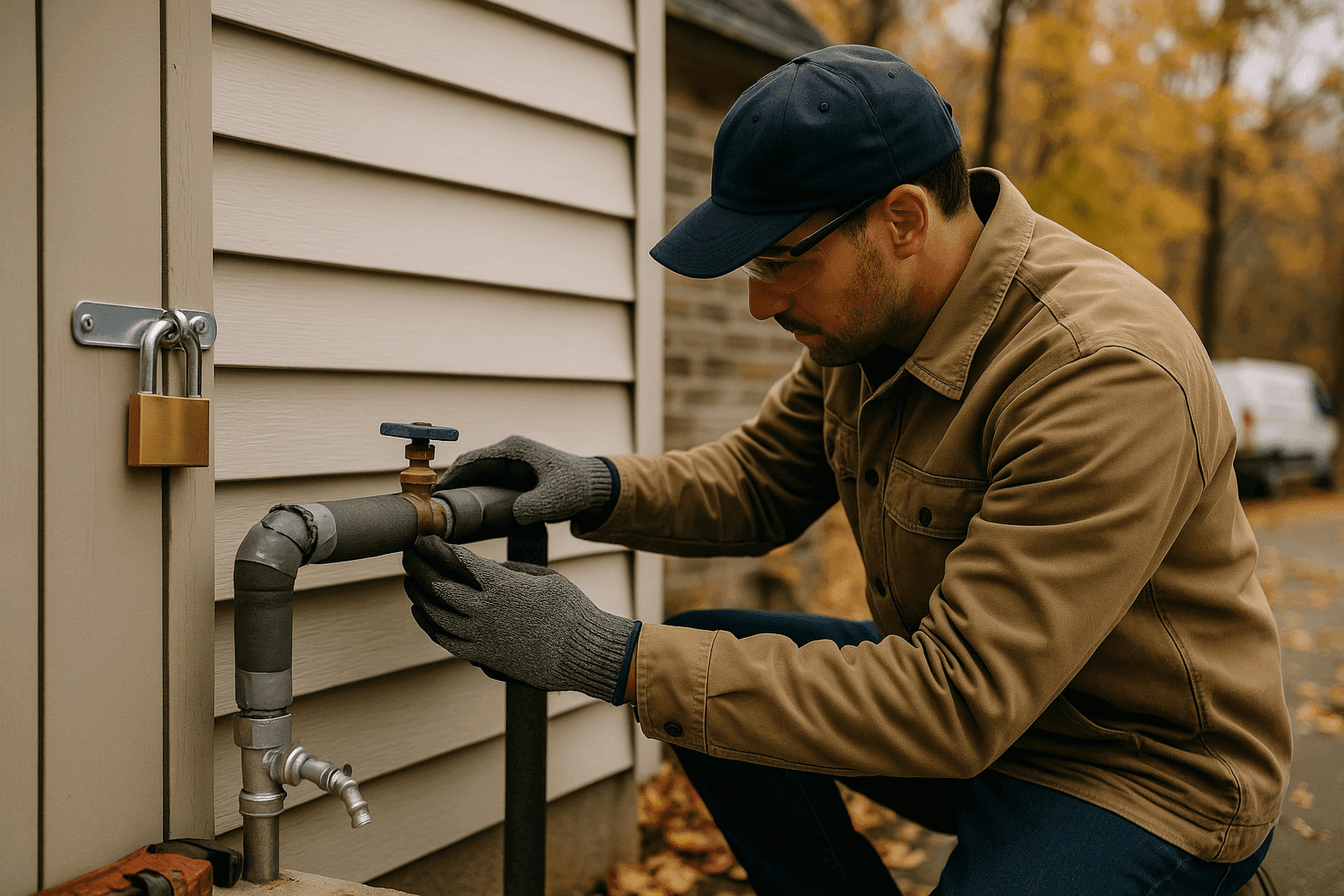
- Wrap exposed pipes in basements, attics, crawl spaces, and garages with foam insulation sleeves.
- Seal gaps around windows, doors, and where pipes enter walls to keep cold air out.
- Disconnect and drain outdoor hoses to prevent water from freezing back into the house.
- Open cabinet doors under sinks to let warm air circulate around pipes.
Preventing Frozen Pipes
- On frigid nights, let a trickle of water run from faucets connected to vulnerable pipes.
- Keep your thermostat set above 55°F, even if you’re away.
- Know the location of your main water shutoff valve in case a pipe bursts.
DIY or Call a Pro?
DIY: Insulating pipes and draining hoses are safe for most homeowners. If you spot frost or bulging pipes, shut off the water and call in a professional—fast. Emergency plumbing services are your best bet to avoid major water damage.
Spring and Summer Checks 🌱
As the ice melts and temperatures rise, your plumbing gets a fresh set of challenges. Spring thaws can reveal leaks that went unnoticed, and heavy summer rains can test sump pumps and drains.
Leak Detection and Water Pressure
- Inspect under sinks, around toilets, and along visible pipes for drips or water stains.
- Listen for running water when all taps are off—a sign of hidden leaks.
- Check your water pressure. Too high can strain pipes; too low can signal a problem. The ideal range is 40–60 psi, per the International Association of Certified Home Inspectors.
Water Heater and Fixture Tune-Up
- Flush your water heater to remove sediment buildup.
- Test shutoff valves on toilets and sinks to make sure they turn easily.
- Clean faucet aerators and showerheads to improve flow.
DIY Tips
- Use food coloring in the toilet tank to check for silent leaks—if color appears in the bowl without flushing, you’ve got a problem.
- Replace worn washers or supply hoses on washing machines and dishwashers.
When to Call Rafi Plumbing
If you find persistent leaks, water pressure swings, or rusty water, it’s time to get help. Our technicians can spot issues behind walls and under floors that you can’t see.
Fall Maintenance Tips 🍂
Autumn is the season of preparation. It’s your chance to get ahead of winter’s bite and spring’s thaw.
Sump Pump Readiness
- Test your sump pump by pouring a bucket of water into the pit. It should kick on and drain quickly.
- Clean debris from the pit and discharge line.
- Consider a battery backup for peace of mind during storms.
Pipe and Fixture Inspections
- Check outdoor spigots and irrigation systems for leaks or cracks.
- Inspect visible pipes for rust, corrosion, or mineral buildup.
- Replace aging washers and gaskets before they fail.
DIY Fall Checklist
- Clear gutters and downspouts to direct water away from your foundation.
- Cover outdoor faucets with insulated covers.
- Store hoses indoors to prevent cracking.
Call a Pro For:
- Sump pump repairs or replacement.
- Sewer line inspection before heavy fall rains.
- Professional leak detection if you notice mold, mildew, or unexplained puddles.
Quick Safety Checklist
- Know where your main shutoff valve is located.
- Test all shutoff valves twice a year.
- Keep emergency plumbing contacts handy.
- Never use open flames to thaw frozen pipes.
- Install carbon monoxide detectors if you have gas appliances.
- Review your plumbing system annually, especially before major seasonal changes.
DIY vs. Call a Professional Plumber
Some maintenance is perfect for a weekend warrior. Other times, it’s like trying to fix a car engine with a butter knife—best left to the pros.
DIY-Friendly Tasks
- Insulating pipes
- Checking for visible leaks
- Testing water pressure with a gauge
- Flushing water heaters
Tasks for a Pro
- Leak detection inside walls or under slabs
- Sewer line inspection and repair
- Gas line safety checks
- Boiler and water heater repairs
- Backflow prevention testing (required by many building codes)
If you’re ever in doubt, it’s safer—and often cheaper in the long run—to call Rafi Plumbing.
What Happens When a Pro Arrives
When you call Rafi Plumbing, our technicians arrive ready. We bring specialized tools like thermal imaging cameras, acoustic leak detectors, and pipe inspection cameras. First, we listen to your concerns. Then, we:
- Inspect the affected area and related fixtures.
- Test water pressure, flow, and temperature.
- Use non-invasive tools to locate leaks or pipe damage.
- Explain findings in clear language.
- Recommend repair or replacement options based on your needs and budget.
We follow national plumbing codes and safety guidelines from sources like the International Code Council and the Occupational Safety and Health Administration (OSHA).
Prevention & Maintenance: The Secret to Fewer Emergencies
Preventative maintenance is like regular oil changes for your car—it keeps everything running smoothly and helps you avoid breakdowns. Here’s how to stay ahead:
- Schedule annual plumbing inspections.
- Replace aging pipes before they fail.
- Install water leak detectors near major appliances.
- Test sump pumps and backflow preventers each season.
- Flush your water heater at least once a year.
- Check for slow drains and address them before they clog.
A little attention now can save you from the stress, mess, and cost of emergency plumbing calls.
Costs & Time Factors
Plumbing maintenance costs vary. Simple DIY tasks like insulating pipes or checking for leaks cost little more than your time. Professional inspections, repairs, or installations can range from a quick half-hour fix to a full-day project, depending on the issue.
- Basic inspections: Often take 1–2 hours.
- Minor repairs (leaks, clogs): Usually completed in under 2 hours.
- Major repairs (repiping, sewer line fixes): May require several hours or multiple visits.
Remember, preventative maintenance is almost always less expensive than fixing a burst pipe or water-damaged walls.
When It’s an Emergency
Sometimes, plumbing problems can’t wait. If you notice:
- Water gushing from a pipe or ceiling
- Sewage backing up in sinks or tubs
- No water or very low water pressure
- Gas smells near appliances or pipes
- Flooding in your basement or crawl space
Turn off your main water valve and call Rafi Plumbing immediately. Our emergency plumbing team is available 24/7 to handle urgent issues and minimize damage.
Frequently Asked Questions
How often should I check my plumbing for leaks?
Check visible pipes, fixtures, and appliances at least twice a year—once before winter and once before summer. Schedule a professional inspection annually for peace of mind.
What’s the best way to prevent frozen pipes?
Insulate exposed pipes, keep your home heated above 55°F, and let faucets trickle during extreme cold snaps. Disconnect outdoor hoses and cover spigots.
Do I need a sump pump if my basement has never flooded?
If your area gets heavy rain or your home is below ground level, a sump pump is a smart investment. It’s like an umbrella—better to have it before you need it.
Can I use chemical drain cleaners for clogs?
It’s best to avoid them. Chemical cleaners can damage pipes and harm the environment. Try a plunger or drain snake first, and call a plumber if the clog persists.
Special Considerations for Seasonal Plumbing
- Older homes and buildings: May have outdated pipes more prone to freezing or bursting.
- Businesses with commercial kitchens: Should schedule more frequent inspections due to heavy use.
- Properties with trees nearby: Roots can invade sewer lines, especially after heavy rain or thaw.
- Vacation homes: Winterize plumbing before leaving for long periods.
Taking these extra steps can protect your property and keep your plumbing running smoothly all year.
Call Rafi Plumbing now — or reach us anytime at 888-600-0415 .