How to Maintain Your Plumbing System Year-Round: Essential Tips for Homeowners and Small Businesses
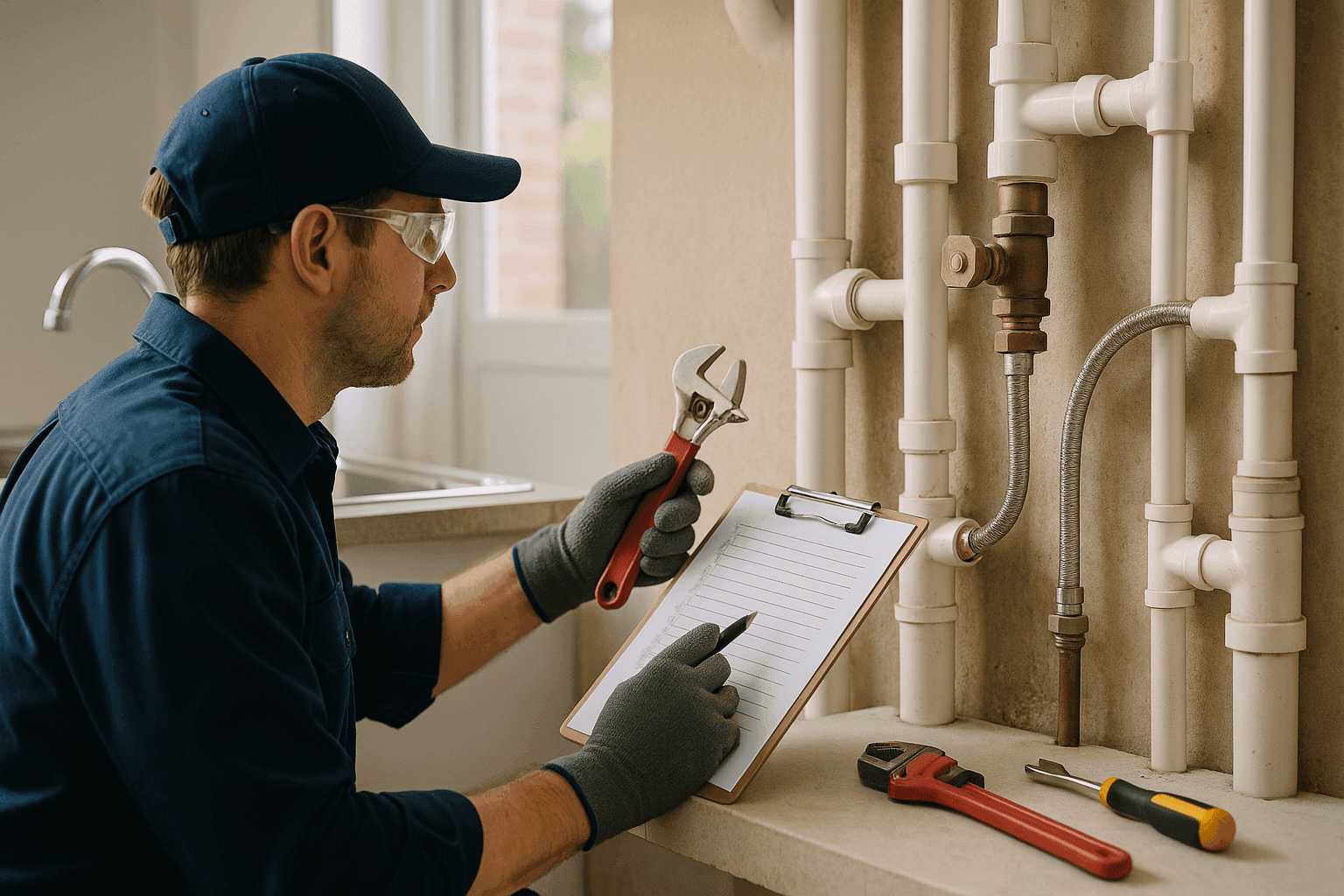
Plumbing problems don’t keep a calendar. Pipes burst on holidays. Drains clog up when you least expect it. For homeowners and small business owners alike, a little year-round care goes a long way toward keeping things flowing smoothly. At Rafi Plumbing, we know that regular maintenance can help you avoid the stress, mess, and expense of emergency plumbing situations.
Ready to take control of your plumbing system? Here’s how to keep it healthy through every season—and what to watch for before trouble strikes.
Why Year-Round Plumbing Maintenance Matters 🛠️
Think of your plumbing like the circulatory system of your building. If something gets blocked or starts leaking, the whole system suffers. Regular maintenance is the “exercise and checkup” your pipes, drains, and fixtures need to stay in shape.
Ignoring small issues can lead to bigger headaches—like water damage, mold, or even business downtime. According to the International Association of Certified Home Inspectors (InterNACHI), routine inspections and timely repairs are key to preventing costly disasters.
Quick Safety Checklist
Before you roll up your sleeves, keep these safety basics in mind:
- Turn off water supply before working on any fixture.
- Know where your main shutoff valve is located.
- Use gloves and eye protection when handling chemicals or tools.
- Never mix drain cleaners—dangerous fumes can result.
- If you smell gas, leave the area and call a professional immediately.
- Check for electrical hazards near water sources.
These steps help prevent accidents and keep your maintenance routine safe.
Seasonal Plumbing Maintenance Guide
Every season brings its own plumbing challenges. Here’s what to focus on throughout the year:
Spring: Thaw and Inspect
- Check for winter damage. Inspect exposed pipes for cracks or leaks from freeze-thaw cycles.
- Clear gutters and downspouts. Make sure water drains away from your foundation.
- Test sump pumps. Pour water into the pit to confirm the pump activates properly.
- Look for slow drains. Early spring is a good time for professional drain cleaning to clear out debris.
Summer: Stay Ahead of High Demand
- Inspect outdoor faucets and hoses. Look for leaks or weak water flow.
- Watch for sewer line backups. Tree roots love to invade pipes in warm weather.
- Monitor water pressure. Sudden drops may signal hidden leaks.
- Service water heaters. Flush the tank to remove sediment buildup and boost efficiency.
Fall: Prepare for Colder Weather
- Insulate exposed pipes. Foam sleeves help prevent freezing.
- Check for dripping faucets. Even a slow leak can lead to bigger problems in winter.
- Clean gutters again. Falling leaves can clog drains and downspouts.
- Test shutoff valves. Make sure you can turn off water quickly in an emergency.
Winter: Defend Against Freezing
- Keep heat consistent. Don’t let indoor temperatures drop too low.
- Let faucets drip during cold snaps. A slow trickle can prevent pipes from freezing.
- Open cabinet doors. Allow warm air to circulate around pipes under sinks.
- Check for condensation or frost. These are early warning signs of freezing pipes.
DIY or Call a Pro? Knowing Your Limits
Some plumbing tasks are as simple as tightening a faucet. Others can spiral into chaos fast. Here’s how to decide:
DIY-friendly tasks:
- Cleaning faucet aerators
- Unclogging minor drains with a plunger
- Checking for visible leaks
- Replacing washers or showerheads
Call a professional plumber for:
- Persistent leaks or water stains
- Low water pressure throughout the building
- Sewer odors or frequent drain backups
- Gas line issues or strange hissing sounds
- Water heater problems (installation, repair, or no hot water)
- Backflow testing and prevention
When in doubt, it’s safer—and often cheaper in the long run—to call in the pros.
What Plumbers Do On Arrival
When you call Rafi Plumbing for an emergency or routine checkup, here’s what you can expect:
- Thorough inspection: We check pipes, fixtures, and appliances for signs of wear, leaks, or corrosion.
- Diagnostic testing: Tools like leak detectors, cameras, and pressure gauges help pinpoint issues.
- Safety checks: We follow industry standards set by organizations like the International Code Council (ICC).
- Clear explanations: You’ll get a plain-language overview of the problem and your options.
- Efficient repairs: Whether it’s a pipe repair, unclogging a toilet, or water heater installation, we use quality parts and proven techniques.
Prevention & Maintenance: The Smart Approach
Preventative maintenance is like brushing your teeth—it keeps problems at bay and saves money over time. Here’s what you can do:
- Schedule annual inspections. A pro can spot hidden leaks, corrosion, or pressure problems early.
- Clean drains regularly. Avoid pouring grease, coffee grounds, or wipes down the sink.
- Install water alarms. These can alert you to leaks before they cause damage.
- Check water pressure. Too high or too low can stress your plumbing.
- Test sump pumps and backflow devices. Especially before storm season.
- Service water heaters and boilers. Annual flushing and tune-ups extend their lifespan.
Routine maintenance plans often include discounts on repairs and priority emergency plumbing service. More importantly, they offer peace of mind.
Costs & Time Factors
Plumbing maintenance doesn’t have to break the bank. Here’s what affects the bottom line:
- Scope of work: A simple leak repair is quicker and less costly than a full repipe.
- Parts and materials: Quality fixtures and pipes last longer, but may cost more upfront.
- Age of the plumbing system: Older systems may need more frequent attention.
- Emergency calls: After-hours or holiday service can cost more.
Most routine inspections take 1–2 hours. Repairs can range from a quick fix to a full day, depending on complexity.
When It’s an Emergency
Some plumbing issues can’t wait. If you notice any of these signs, call for emergency plumbing help right away:
- Sudden loss of water pressure or flow
- Water pooling where it shouldn’t be
- Burst pipes or severe leaks
- Overflowing toilets or backed-up drains
- Gas smells or suspected leaks
- No hot water (especially for businesses that rely on it)
Fast action can minimize damage and downtime.
Frequently Asked Questions
How often should I schedule plumbing maintenance?
Most experts recommend at least once a year. High-traffic businesses or older homes may benefit from semi-annual checkups.
What are the signs of a hidden leak?
Unexplained water bills, musty odors, wall stains, or the sound of running water when everything’s off can point to hidden leaks.
Can I use chemical drain cleaners?
Use caution. Many over-the-counter cleaners can damage pipes or harm the environment. Mechanical methods (like plungers or augers) are safer, and professionals have specialized tools for tough clogs.
Is preventative maintenance really worth it?
Absolutely. The small cost of routine checks is nothing compared to the expense and hassle of water damage, mold, or emergency repairs.
Special Considerations for Homeowners and Small Businesses
- Homeowners: Pay attention to seasonal changes. Frozen pipes and unnoticed leaks can cause major headaches.
- Small business owners: Plumbing issues can disrupt operations and impact customers. Regular inspections help prevent downtime.
- Older buildings: Pipes and fixtures may be made from materials that are no longer up to current codes. Upgrading can improve safety and efficiency.
- New installations: Always hire licensed professionals who follow local building codes and manufacturer guidelines for things like gas line installation, backflow prevention, or water filtration systems.
Remember, plumbing is more than pipes and drains. It’s about protecting your property, your health, and your peace of mind.
Call Rafi Plumbing now — or reach us anytime at 888-600-0415 .