How to Find and Hire a Trustworthy Plumber
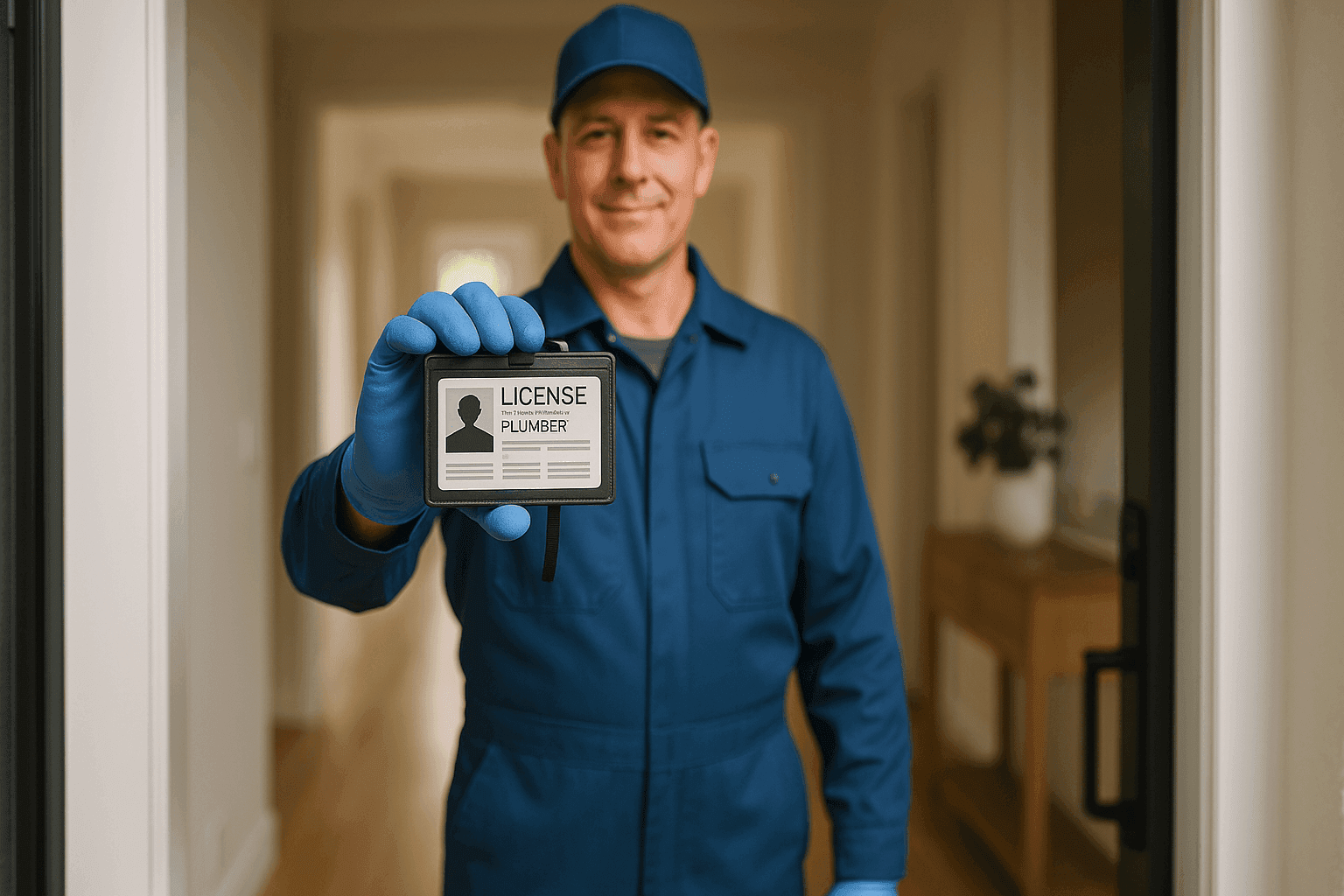
When the water’s rising and you’re standing ankle-deep in your own laundry room, the last thing you want is to roll the dice on a plumber. The difference between a quick, reliable fix and a drawn-out, costly headache often comes down to who you call for help.
Whether you need emergency plumbing, Water Heater Installation near you, or routine pipe repairs, finding someone trustworthy isn’t just about luck. It’s about knowing what to look for and asking the right questions. Here’s how to make sure your next plumbing call ends with peace of mind—and dry floors.
What to Look For 🛠️
Not all plumbers are created equal. Like picking the right lock for your front door, the right plumber keeps your home or business safe, comfortable, and running smoothly. Here’s what separates a reliable pro from the rest:
- Proper Licensing: Every plumber should hold a current, valid license. Plumbing licenses prove they’ve met state and local requirements and understand current codes. The National Inspection Testing and Certification Corporation (NITC) and your state’s licensing board are good places to confirm this.
- Insurance: Accidents happen. A trustworthy plumber carries liability and worker’s compensation insurance. This protects you, your property, and the plumber if anything goes sideways.
- Experience in Your Area: Plumbing isn’t one-size-fits-all. Local experience means they know your area’s code requirements, water pressure quirks, and the most common problems with local infrastructure.
- Transparent Pricing: You deserve to know what you’re paying for. Look for plumbers who provide clear, written estimates and explain potential extra costs before starting work.
- Strong Reviews and References: A track record of satisfied customers says a lot. Check independent review sites and ask for references. Consistency is key—beware of patterns of complaints.
- Range of Services: From leak repair to gas safety checks, a reputable plumber should offer a wide range of services, so you don’t have to juggle multiple contractors.
Questions to Ask
Before letting anyone near your pipes, come prepared. A good plumber welcomes questions and answers them with confidence and clarity.
- Are you licensed and insured for plumbing work in my area?
- How long have you been providing services like Water Heater Installation near me?
- Do you have references or recent reviews I can check?
- Will you provide a written estimate before starting the job?
- What is your process for unexpected complications or additional repairs?
- Who will actually be performing the work—an employee or a subcontractor?
- What kind of cleanup do you provide after the job is done?
- Can you walk me through your safety and code compliance practices?
Taking the time to ask these questions is like double-checking your parachute before you jump. It’s worth every second.
Warning Signs 🚩
Sometimes, it’s about what’s not said. Or what’s said just a little too quickly. Watch for these red flags to avoid trouble:
- No License or Reluctance to Show Credentials: If a plumber can’t show you their license or insurance, that’s a stop sign.
- Vague or Verbal Estimates: If you can’t get it in writing, you can’t count on it.
- High-Pressure Sales Tactics: Plumbers who push for immediate decisions or expensive upgrades may not have your best interests at heart.
- Unmarked Vehicles or No Uniform: Professional plumbers take pride in their work and their presentation.
- Cash-Only or Upfront Payment Demands: While deposits are common, full payment before the job is a red flag.
- Lack of Physical Address or Company Details: An established business should have a verifiable location and contact information.
Trust your instincts. If something feels off, it probably is.
Verifying Credentials
Checking a plumber’s credentials shouldn’t feel like searching for buried treasure. Here’s how to confirm you’re working with a pro:
- State Licensing Boards: Most states have online portals where you can verify a plumber’s license by name or number.
- Insurance Certificates: Ask for a copy. A reputable plumber will provide it without hesitation.
- References: Call at least one recent reference. Ask about punctuality, professionalism, and the outcome of the work.
- Professional Affiliations: Membership in organizations like the Plumbing-Heating-Cooling Contractors Association (PHCC) or local trade groups shows commitment to ongoing training and ethical standards.
Taking these steps is like checking the foundation before building a house—it ensures everything else stands strong.
Quick Safety Checklist
Before any plumbing work starts, make sure:
- The plumber has a valid license and proof of insurance in hand.
- You understand what work will be performed and why.
- The estimate covers labor, materials, and potential extras.
- Safety gear is used as needed (especially for gas line or sewer work).
- The plumber explains any health or safety risks (such as backflow contamination or gas leaks).
The Occupational Safety and Health Administration (OSHA) and your local building department provide guidelines that reputable plumbers follow.
When to DIY vs. Call a Pro
Some plumbing jobs are like changing a lightbulb—simple, straightforward, and safe. Others are more like rewiring your fuse box: risky and best left to the pros.
DIY-Friendly Tasks:
- Unclogging a slow drain with a plunger.
- Replacing a faucet washer.
- Tightening a loose pipe connection under the sink.
Call a Professional For:
- Persistent leaks or water pressure issues.
- Sewer line repair, repiping, or backflow testing.
- Water Heater Installation near you—especially when gas lines or electrical work are involved.
- Suspicion of gas leaks, strange odors, or water discoloration.
- Emergency plumbing situations: flooding, burst pipes, or total loss of water.
Remember, plumbing gone wrong can cause major damage and even safety hazards. When in doubt, get a pro.
What Pros Do On Arrival
A professional plumber should:
- Arrive on time, in uniform, and with proper ID.
- Assess the situation and explain their findings in plain language.
- Provide a written estimate and walk you through the repair or installation process.
- Follow local plumbing codes and safety standards.
- Clean up the work area when finished.
For specialized tasks like sewer line inspection, repiping, or gas safety checks, expect the plumber to use appropriate diagnostic tools and follow all recommended procedures.
Prevention & Maintenance
The best plumbing problem is the one you never have. Regular maintenance helps avoid emergencies and extends the life of your system:
- Schedule annual inspections for water heaters, sump pumps, and backflow prevention devices.
- Test for leaks or hidden moisture using leak detection devices.
- Clean drains and inspect for blockages, especially in older buildings.
- Check all exposed pipes for corrosion, especially before winter.
- Install water filtration systems to protect appliances and fixtures.
The International Association of Plumbing and Mechanical Officials (IAPMO) recommends proactive maintenance to meet health and safety standards.
Costs & Time Factors
Plumbing costs can feel as unpredictable as the weather. Still, understanding the basics helps you plan:
- Service Call Fees: Most plumbers charge a base fee to show up and diagnose.
- Hourly vs. Flat Rate: Simple jobs may be hourly; larger projects often have flat-rate pricing.
- Materials and Parts: Quality materials may cost more upfront but last longer.
- Project Complexity: Emergency plumbing calls, repiping, or sewer line work take more time and skill.
- Time of Day: After-hours or weekend service typically costs more.
A straightforward job like a faucet replacement will be quicker and cheaper than a full water heater installation or sewer line repair. Always request an estimate before work begins.
When It’s an Emergency 🚨
Emergencies don’t wait for business hours. Calling for emergency plumbing means:
- The plumber responds quickly—often within hours.
- They arrive fully equipped to handle burst pipes, severe leaks, or sewer backups.
- They prioritize safety, shutting off water or gas lines if needed.
- Vital repairs are made to restore function and prevent further damage.
Keep the number of a reliable plumber handy—waiting too long can mean more damage and higher repair costs.
FAQ
How do I know if a plumber is licensed and insured?
Ask to see their credentials in person, then verify with your state’s licensing board. Never rely on verbal confirmation alone.
What if the plumber finds a bigger problem during the job?
A trustworthy plumber will stop, explain the issue, and update their estimate before proceeding. No work should happen without your approval.
Can a plumber help with water quality or filtration issues?
Absolutely. Professional plumbers can assess your water quality and recommend or install water filtration systems to protect your plumbing and health.
What’s the difference between residential and commercial plumbing services?
Commercial plumbing often involves larger systems, different codes, and specialty equipment. A qualified plumber can explain their experience with both types of properties.
Local & Seasonal Considerations ❄️
Plumbing needs aren’t the same everywhere or every time of year. In colder climates, frozen pipes are a winter worry—pipe insulation and regular checks are crucial. In older neighborhoods, aging sewer lines or outdated fixtures are more common.
If your area has hard water, regular maintenance of water filtration systems and water heaters is essential to avoid mineral buildup. Local plumbing codes may also affect what kind of repairs or installations are allowed, so always work with someone familiar with your region.
No matter the job—from unclogging toilets to Water Heater Installation near you—choosing the right plumber makes all the difference. Take your time, ask the right questions, and protect your home or business from costly surprises down the road.
Call Rafi Plumbing now — or reach us anytime at 888-600-0415 .