How to Choose the Right Pipes for Your Home or Business
Everyone needs pipes that last. But which ones? Whether you’re fixing a leak at home or planning a large office renovation, the choices can feel overwhelming. At Rafi Plumbing, we see it all—emergency plumbing at midnight, Water Heater Installation near you, and full repiping jobs. We know that the wrong pipe choice can lead to headaches, water damage, and safety risks you’d rather avoid.
Your pipes are the silent veins of your property. They carry fresh water, remove waste, and keep your comfort flowing. Picking the right material isn’t just about saving money—it’s about peace of mind.
Pipe Material Overview 🛠️
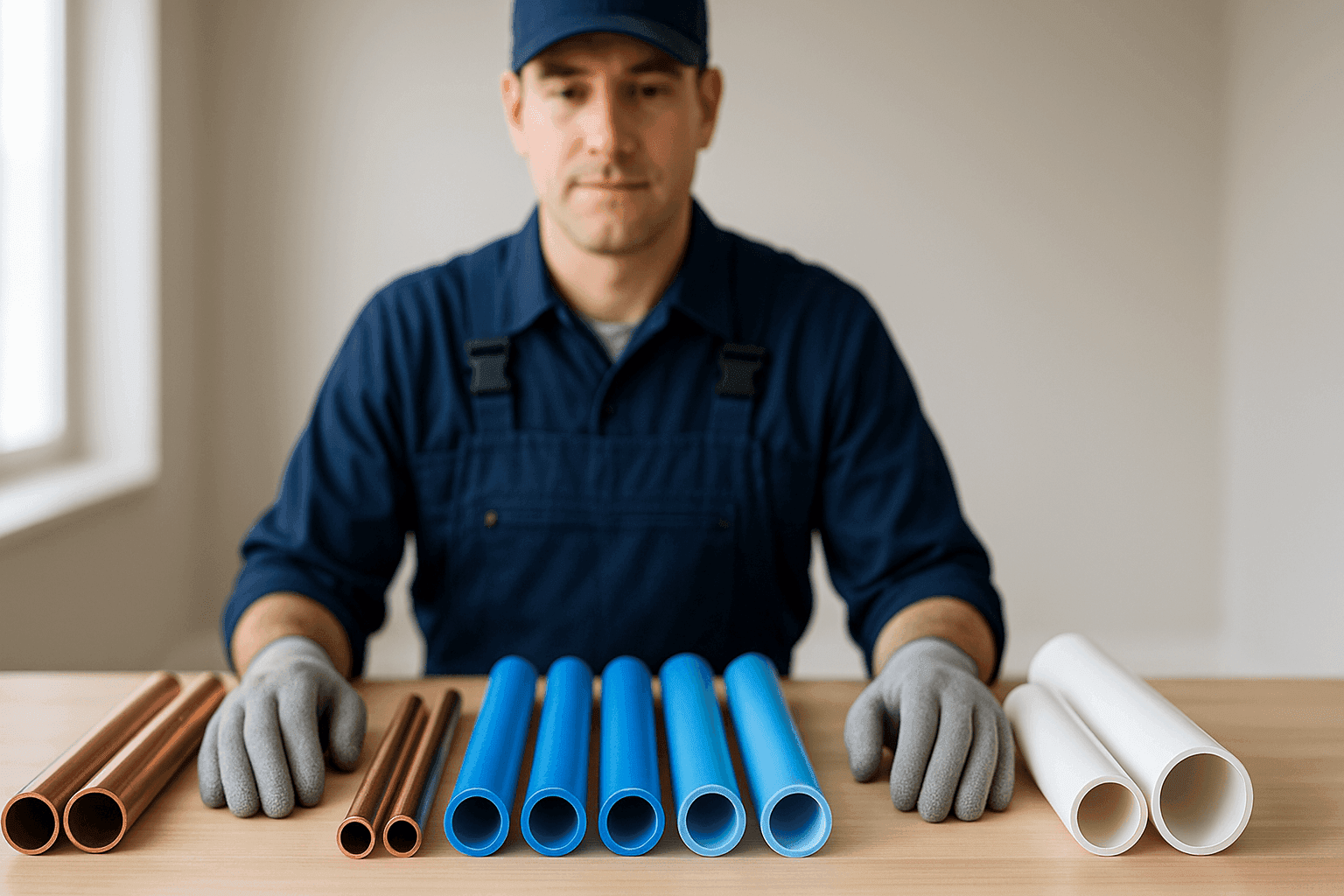
Let’s break down the most common pipe types you’ll encounter, minus the technical mumbo-jumbo. Each has its own strengths, quirks, and ideal uses.
- Copper: The “old reliable” of plumbing. It’s been trusted for decades in both homes and businesses.
- PEX (Cross-Linked Polyethylene): Flexible, easy to install, and great for tight spaces or retrofits.
- PVC (Polyvinyl Chloride): Lightweight and mostly used for drain, waste, and vent (DWV) systems.
- Galvanized Steel: Once common, now mostly found in older buildings facing replacement.
- CPVC (Chlorinated Polyvinyl Chloride): Like PVC, but tough enough for hot water lines.
Each of these comes with its own set of rules—some are best for cold water, others for gas lines, some are a no-go for drinking water. Local codes (like the International Plumbing Code or IPC) play a huge role in what’s allowed in your area.
Pros and Cons
Copper
Pros:
- Long lifespan—can last 50+ years.
- Naturally resists bacteria.
- Handles both hot and cold water.
- Recyclable.
Cons:
- Expensive up front.
- Can corrode if your water is acidic.
- Requires skilled installation (soldering).
Best for: Whole-home repiping, commercial kitchens, water pressure issues.
PEX
Pros:
- Flexible—bends around corners.
- Fast installation (fewer fittings).
- Resistant to freezing and bursting.
- Budget-friendly.
Cons:
- Sunlight breaks it down (indoor use only).
- Not always accepted for all applications by local codes.
- Prone to rodent damage if not protected.
Best for: Remodels, new homes, tight crawl spaces, Water Heater Installation near you.
PVC
Pros:
- Very affordable.
- Doesn’t rust or corrode.
- Lightweight.
Cons:
- Only for cold water and drain lines.
- Brittle in freezing temps.
- Not suitable for drinking water in some areas.
Best for: Sewer line installation, drain cleaning, garbage disposal repair.
Galvanized Steel
Pros:
- Tough and strong (once the standard).
- Handles pressure well.
Cons:
- Prone to rust, especially after decades.
- Heavy and hard to work with.
- Can cause water discoloration.
Best for: Only as a replacement in older systems; not recommended for new projects.
CPVC
Pros:
- Handles hot water.
- Resists corrosion.
- Easier than copper to install.
Cons:
- Brittle—can crack if handled roughly.
- Sensitive to certain adhesives.
Best for: Hot water lines, boiler repair, commercial kitchens.
Cost Considerations 💸
Budget matters—whether you’re a homeowner or managing a commercial property. Here’s how the options stack up:
- Copper: Highest initial cost, but long-term durability can make it worthwhile.
- PEX: Usually the cheapest for installation and repairs.
- PVC/CPVC: Low material cost, but may require more support and careful handling.
- Galvanized Steel: Rarely used today due to high labor and replacement costs.
Remember, the cheapest option up front isn’t always the best value over decades. Labor can sometimes cost more than the material. For example, replacing galvanized pipes in a commercial building can mean cutting walls, shutting down water, and scheduling around business hours.
Installation Tips
A smooth install isn’t just about tools—it’s about knowing the rules.
- Check Your Local Code: Not every pipe is legal everywhere. The Uniform Plumbing Code (UPC) or International Plumbing Code (IPC) spell out what’s allowed.
- Hire Licensed Plumbers: Proper installation reduces risk. Poorly installed pipes can void insurance claims.
- Pressure Testing: Always pressure-test new pipes before closing up walls or floors.
- Label Everything: Especially in commercial settings, clear labeling avoids confusion later.
For DIYers, stick to simple repairs like replacing a section of PVC drain or swapping out a faucet supply line. Anything more? It’s time to call in pros like Rafi Plumbing.
Durability and Safety
Pipes are more than just tubes—they’re a safety system. The wrong pipe can leach lead, burst in winter, or fail during a fire.
- Copper pipes don’t burn and release no toxic fumes—important for fire safety.
- PEX and CPVC can melt in high heat, but are fine for most residential needs.
- Galvanized pipes can rust from the inside, leading to leaks or even burst pipes.
The Environmental Protection Agency (EPA) warns that only certified materials should be used for drinking water. Look for NSF/ANSI 61 certification on pipes.
Decision Matrix: Which Pipe Is Right?
For Homes
- New Build or Full Repiping: Copper or PEX.
- Quick Repairs or Additions: PEX (if code allows), CPVC for hot water.
- Drainage and Sewers: PVC.
For Businesses
- High-Use Kitchens/Bathrooms: Copper or CPVC.
- Large-Scale Sewer Systems: PVC (for drains), cast iron (sometimes for noise reduction).
- Restaurants and Healthcare: Always check for code compliance and safety certifications.
Cost Considerations
Budget is always a factor. Here’s what you need to know:
- Material Costs: Copper tops the list, PEX and PVC are more budget-friendly.
- Labor: Copper and galvanized require skilled labor and more time. PEX and PVC go in faster.
- Replacement Costs: Galvanized pipes cost more to replace due to difficulty and potential for hidden corrosion.
Small leaks can become big repairs if you choose the wrong pipe. Always factor in long-term durability, not just up-front savings.
Installation Tips 📝
- Plan Your Route: Avoid sharp bends or tight fittings where possible.
- Support Matters: Use brackets and supports every few feet. Pipes sag without support, leading to leaks.
- Insulate in Cold Areas: Frozen pipes are a leading cause of emergency plumbing calls.
- Label Hot and Cold Lines: This is especially important in commercial kitchens or mechanical rooms.
Real Life: What Can Go Wrong?
Imagine a restaurant owner who chose the cheapest pipes to save money. Six months later, a pipe bursts overnight. Flooded kitchen, food loss, emergency plumbing, lost revenue. The lesson: invest in the right pipe from the start.
Quick Safety Checklist
- Always shut off water before repairs.
- Wear gloves and safety glasses—copper edges are sharp.
- Never use plastic pipes where fire safety is critical.
- Confirm all materials are certified for potable water if used for drinking supply.
- Call your local building department to confirm code requirements.
DIY vs. Call a Pro
Some jobs are perfect for handy homeowners—like swapping out a faucet supply line or unclogging a slow drain. But when it comes to repiping, water heater installation, or anything that touches gas or sewer lines, it’s time to call in the professionals.
Rafi Plumbing is ready 24/7 for emergency plumbing, leak repair, or full-scale installations—residential or commercial. We handle every code, every inspection, and every tricky situation.
What Pros Do On Arrival
- Inspect visible piping for leaks, corrosion, and code violations.
- Test water pressure and quality.
- Use leak detection tools and cameras for pipes inside walls or underground.
- Advise on the best material for your situation—balancing cost, safety, and local regulations.
- Handle permits and inspections if needed.
Prevention & Maintenance
- Schedule regular inspections—especially for older galvanized or copper systems.
- Watch for warning signs: low water pressure, rusty water, spots on ceilings or walls.
- Flush your water heater annually to prevent sediment buildup.
- Install water filtration systems to protect pipes from corrosion.
Costs & Time Factors
- Simple Repairs: Replacing a short pipe section (PVC or PEX) can be done in an hour or two.
- Repiping: Whole-home or business projects take days to weeks depending on size and complexity.
- Material Costs: Range from a few dollars per foot (PVC/PEX) to many times more for copper.
Emergency plumbing work is always more expensive than scheduled maintenance. Don’t wait until water is pouring through the ceiling.
When It’s an Emergency 🚨
- Shut off your main water valve immediately.
- Move valuables away from leaks.
- Call Rafi Plumbing for emergency plumbing service—day or night.
- Don’t attempt major repairs yourself unless you’re trained.
FAQ
What’s the safest pipe material for drinking water?
Copper, PEX, and CPVC are all widely accepted for potable water, but always check for NSF/ANSI 61 certification and local codes.
Can old galvanized pipes be repaired?
Short-term, yes. But long-term, replacement with modern materials is the safest bet, especially if you notice rust in your water.
How do I know if I need new pipes?
Look for recurring leaks, low water pressure, or discolored water. Frequent emergency plumbing calls are a red flag.
What’s best for high-rise or commercial buildings?
Copper is favored for its strength and fire safety, but large-scale PVC systems are common for drainage. Always follow local building codes.
Local/Seasonal Considerations
- Cold Climates: Insulate pipes or use PEX, which resists freezing and bursting.
- Older Buildings: Be prepared for surprises—hidden galvanized pipes, out-of-date code compliance, or lead solder.
- New Construction: Coordinate with other trades (HVAC, electrical) to avoid conflicts and ensure smooth installation.
Always check with your local building department or refer to the latest edition of the International Plumbing Code (IPC) or Uniform Plumbing Code (UPC).
Choosing the right pipes is a decision you’ll live with for decades. Don’t gamble with your water, your safety, or your property’s value. Rafi Plumbing is always here to answer your questions or jump in for emergency plumbing, Water Heater Installation near you, or full-scale repiping—residential or commercial.
Call Rafi Plumbing now — or reach us anytime at 888-600-0415 .