How Much Does Repiping a House or Business Cost?
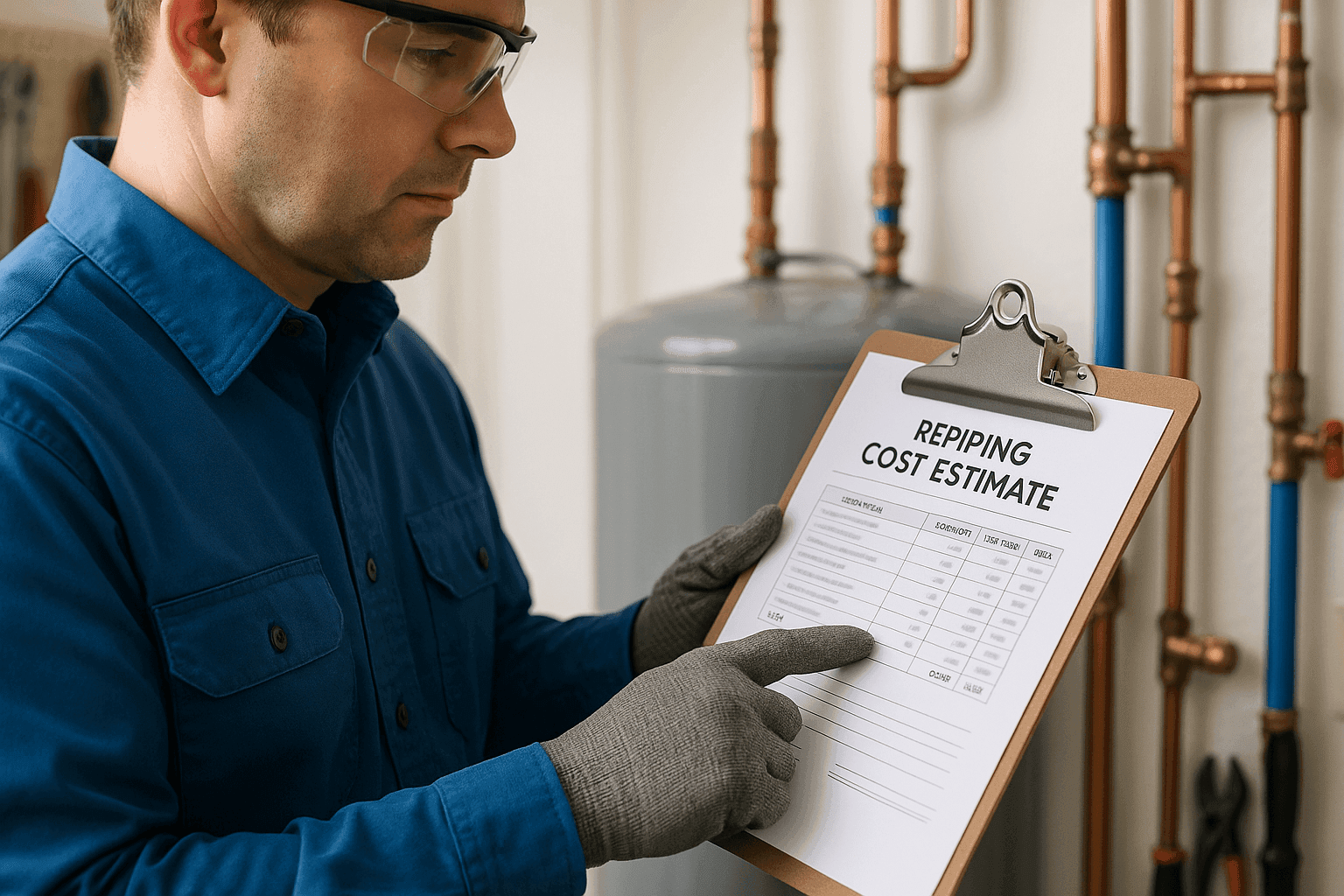
Is your plumbing starting to feel like a ticking time bomb? Maybe you’ve noticed rusty water, leaks, or endless clogs. It’s stressful. The thought of tearing up walls and pulling apart pipes? Even more so. At Rafi Plumbing, we know the idea of repiping your house or commercial space can be overwhelming—especially when it comes to the price tag.
Let’s break it down simply: repiping is a big decision, but it’s often the best way to save money, protect your property, and avoid those 3 a.m. emergency plumbing calls. What should you expect to pay? What drives the cost? We’ve got you covered.
Repiping Cost Factors 🛠️
Repiping isn’t one-size-fits-all. Several elements shape the final bill, just like the pieces of a puzzle coming together. Here are the most important:
- Pipe Material: Copper, PEX, CPVC—each has its own price, lifespan, and installation quirks.
- Size of Home or Business: More rooms and bathrooms mean more piping, which means more labor and materials.
- Accessibility: Pipes buried behind tile or concrete cost more to reach. Crawlspaces and basements are easier—and cheaper—than pipes hidden behind finished walls.
- Labor: Skilled plumbers are worth every penny. Labor costs depend on the job’s complexity and local wage standards.
- Permits & Inspections: Many cities require plumbing permits and code inspections. These add to the bottom line but ensure safety and compliance.
- Fixture Count: Every sink, shower, and toilet adds to the material and labor bill.
- Old Plumbing Removal: Removing corroded or outdated pipes (especially if there’s lead or galvanized steel) can add time and cost.
Real-World Example:
Repiping a small two-bedroom bungalow might only require a few days and a modest investment. A sprawling office complex with multiple restrooms and kitchens? That’s a different ballgame.
Residential vs. Commercial
Repiping isn’t just for cozy homes. Apartment buildings, restaurants, and retail shops all need reliable plumbing, too.
Residential Repiping
- Average Range: $4,000–$15,000 for a single-family home. Most jobs fall in the $6,000–$9,000 range.
- What Affects Price: Home age, number of fixtures, pipe material, and wall accessibility.
- Key Insight: If your home is over 50 years old and has galvanized pipes, replacement is often safer and saves money long-term.
Commercial Repiping
- Average Range: $12,000–$50,000+ depending on building size and complexity.
- What Affects Price: Business hours, specialized fixtures (commercial kitchens, fire suppression), local codes, and downtime.
- Key Insight: Many commercial projects happen overnight or during off-hours to minimize business disruption.
Sample Quotes:
- 2,000 sq ft home, PEX repipe, basic wall access: ~$7,500
- 4,000 sq ft office, copper, multiple restrooms: ~$28,000
(Actual costs vary. These are sample scenarios—not guaranteed prices.)
How to Get an Estimate 📝
Getting an accurate repiping quote is like measuring for a new suit—it has to fit your specific needs.
Follow these steps:
- Schedule an On-Site Assessment: Remote or phone quotes are rough guesses at best. A licensed plumber needs to see your pipes, layout, and fixtures.
- Ask About Materials: Get clarity on the type of piping being used—copper, PEX, or CPVC all have pros and cons.
- Confirm Scope: Make sure the estimate includes wall repair, permits, and any fixture replacements.
- Request a Written Estimate: It should detail labor, materials, permit costs, and potential “what ifs.”
- Check Local Code: Plumbing codes vary. Look up your city’s requirements or ask your plumber about compliance with the Uniform Plumbing Code or local amendments.
Tip: Avoid “ballpark” numbers over the phone. The best plumbers will walk you through each line item—and explain why it matters.
Financing Options 💡
Repiping is a big investment, but it doesn’t have to derail your budget.
- Payment Plans: Many plumbing companies offer phased payments or financing options.
- Home Equity Loans: For large projects, using home equity can spread out costs.
- Insurance: Sometimes, water damage from burst pipes may be partially covered. Check your policy for details.
- Utility Rebates: Some municipalities offer rebates for replacing old pipes, especially if it improves water safety.
Value Over Time:
A fresh repipe isn’t just an expense—it’s peace of mind. You’ll avoid repeated emergency plumbing repairs, water damage, and high water bills from leaks. Plus, modern materials like PEX and copper can last 50 years or more.
Practical Tips for Homeowners and Businesses
- Check Water Pressure: Low pressure can signal old, corroded pipes.
- Watch for Discolored Water: Rusty or brown water often means pipe corrosion.
- Listen for Strange Noises: Banging or “water hammer” sounds may mean pipes are failing.
- Plan for Downtime: Repiping usually takes 3–7 days for homes, longer for businesses. Talk to your plumber about scheduling.
Frequently Asked Questions
Q: Will I need to leave my home or business during repiping?
A: Not usually. Water is shut off in sections, so you’ll have access for most of the process.
Q: What’s the difference between PEX and copper?
A: PEX is flexible, affordable, and quick to install. Copper is durable, resists bacteria, but is pricier.
Q: How do I know if I need a full repipe or just a repair?
A: Multiple leaks, very old pipes, or widespread corrosion usually mean a full repipe is the safest bet.
Q: Does repiping increase property value?
A: Yes. New plumbing is a selling point for both homes and businesses.
References
- Uniform Plumbing Code (UPC) guidelines
- Local building department requirements
- National Association of Home Builders plumbing lifespan data
Ready to stop worrying about leaks and surprise repairs? Call Rafi Plumbing now — or reach us anytime at 888-600-0415 .