Gas Safety Checks: How to Protect Your Home or Business
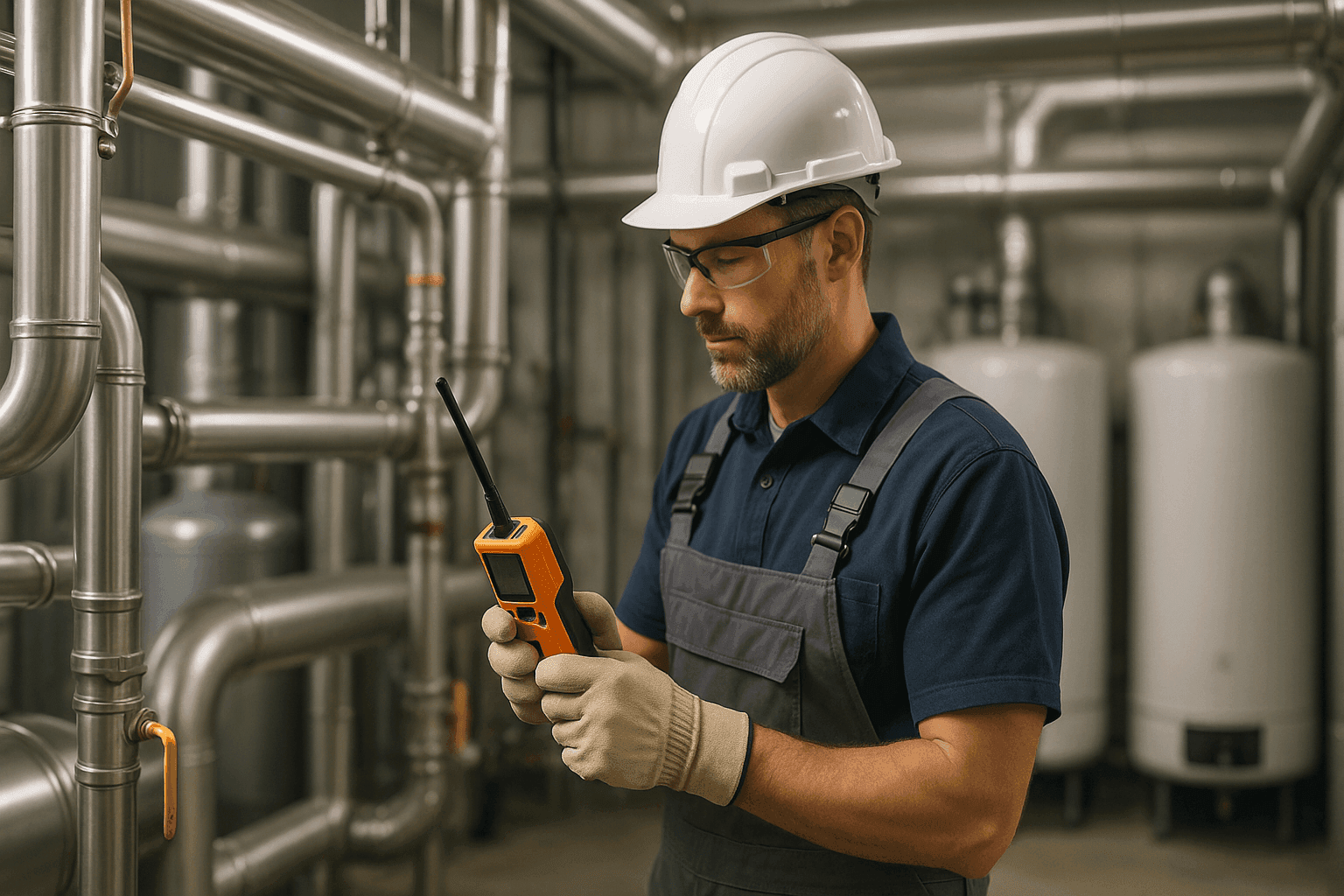
Gas lines run behind your walls like veins beneath the skin. Invisible, essential, and—if something goes wrong—dangerous. At Rafi Plumbing, we know a small leak is never just a small problem. It’s a risk to your family, employees, property, and peace of mind.
Every year, emergency plumbing teams respond to gas leaks that could have been caught with a simple check. Whether you’re a homeowner or a business manager, regular gas safety checks aren’t just a “good idea”—they’re your legal and moral responsibility.
Why Gas Safety Matters 🔥
Gas is a silent helper when all goes well. It heats your water, runs your stove, and keeps the boiler humming. But if there’s a crack, a loose connection, or corrosion behind the scenes, you may not notice until it’s nearly too late.
The Real Risks
- Health hazards: Natural gas leaks can cause headaches, dizziness, nausea, and—at high concentrations—can be fatal.
- Fire and explosion: Gas is highly flammable. One spark can turn a minor leak into a disaster.
- Property damage: Explosions, fires, and even prolonged exposure to leaking gas can ruin buildings and equipment.
- Legal liabilities: Failing to maintain safe gas systems can mean fines, lawsuits, or insurance issues.
According to the National Fire Protection Association (NFPA), gas leaks are a leading cause of residential and commercial fires. The U.S. Department of Energy warns that poorly maintained gas appliances and pipes can cost lives and livelihoods.
Signs of a Problem
How do you know if you have a gas issue? Sometimes, the warning signs are easy to miss. But a little attention can make all the difference.
What to Watch (and Sniff) For
- Rotten egg smell: Gas companies add mercaptan to make leaks easier to detect.
- Hissing or whistling sounds: These may come from behind walls, near pipes, or at fittings.
- Dead or dying plants: Indoor leaks can kill houseplants; outdoor leaks can create dead patches in grass.
- Unusual bubbles: In standing water outside, bubbles may indicate a below-ground leak.
- Physical symptoms: Headaches, dizziness, fatigue, or nausea when indoors.
- Pilot lights going out: Appliances that repeatedly lose their flame may signal an issue.
- Soot or scorch marks: Yellow flames instead of blue, or black marks on appliances.
If you notice any of these signs, treat the situation like smoke in the kitchen—don’t wait to see if it gets worse.
Professional Checks
DIY can only take you so far. A professional gas safety check is like a thorough physical for your plumbing system.
What’s Involved
- Visual inspection: We look for corrosion, loose joints, and signs of wear.
- Pressure testing: Specialized equipment checks for drops in gas pressure, which indicate leaks.
- Appliance checks: Boilers, heaters, stoves, and water heaters are tested for safe operation.
- Ventilation review: Ensuring exhaust gases are safely vented outside.
- Detector testing: Carbon monoxide and gas alarms are inspected and tested.
At Rafi Plumbing, our technicians are certified to national and local safety standards, including those from the Occupational Safety and Health Administration (OSHA) and local building codes.
Legal Requirements
The law takes gas safety seriously—so should you.
For Homeowners
- Annual checks recommended: The U.S. Consumer Product Safety Commission recommends yearly inspections of all gas appliances.
- Code compliance: Many states require gas lines and appliances to meet specific installation codes (see your state or local authority for details).
- Landlords: If you rent out property, you are legally required to ensure gas systems are safe.
For Businesses
- Mandatory annual inspections: Most municipalities require businesses to have annual gas safety checks, documented by licensed professionals.
- Record-keeping: You must keep records of inspections and repairs for regulatory review.
- Employee safety: OSHA regulations require employers to maintain a safe work environment, including gas safety.
Ignorance is not a defense. Fire marshals, insurance companies, and building inspectors can all request proof of compliance.
Quick Safety Checklist
Keep this list handy. It’s not a substitute for a professional check, but it’s a good reminder.
- Is your carbon monoxide detector working?
- Can you smell gas anywhere, even faintly?
- Are all appliance pilot lights burning blue and steady?
- Any unusual sounds from gas pipes or appliances?
- Do you know how to turn off the gas supply in an emergency?
- Have all repairs and installations been done by licensed pros?
If you answer “no” or “I’m not sure” to any of these, it’s time to schedule an inspection.
The Inspection Process: What To Expect
A gas safety check is systematic and thorough. Here’s how we do it at Rafi Plumbing:
- Arrival and assessment: We ask about any recent issues or changes.
- Shutoff/Isolation: If a leak is suspected, we isolate affected areas for safety.
- Testing: Using calibrated detectors, we check all joints, valves, and accessible lines.
- Appliance checks: Each connected appliance is inspected and tested while running.
- Ventilation review: We confirm that exhaust gases are venting properly.
- Documentation: We provide a written report for your records.
How Often Should You Schedule Gas Safety Checks?
- Homeowners: Every 12 months, or sooner if you notice problems.
- Businesses: At least once a year—more often if required by your local code, or if you use high-load appliances.
- After renovations: Any time you add or change appliances, alter piping, or remodel, get a check.
- Before buying or selling property: Always request a current gas safety certificate.
Homeowners vs. Business Owners: What’s Different?
Homeowners
- Focus is on family safety and code compliance.
- Checks usually cover all appliances, main gas line, and major fixtures.
- Recommended to keep records for insurance and real estate purposes.
Business Owners
- Must meet stricter regulatory standards (OSHA, local fire code).
- Required to document all inspections and repairs.
- May face regular audits by city or county inspectors.
- Responsible for employee and public safety.
When Should You Call for Emergency Plumbing Help?
Gas leaks are always an emergency. Don’t hesitate.
- If you smell gas: Evacuate immediately. Do not use electrical devices or phones inside. Call your gas supplier and emergency services from outside.
- If an appliance won’t shut off or leaks: Turn off the gas at the main valve if safe. Leave the building.
- If carbon monoxide alarm sounds: Get everyone outside and call 911, then an emergency plumbing service.
What Certifications Matter?
Only allow licensed plumbers with current certifications to work on your gas system. At Rafi Plumbing, our technicians are:
- Trained in accordance with OSHA and NFPA guidelines.
- Certified for gas line installation and repair under local building code.
- Qualified to test and install carbon monoxide detectors.
Ask to see a technician’s credentials. Safety is non-negotiable.
FAQ
What’s the difference between a gas safety check and leak detection?
A gas safety check is a routine inspection that covers appliances, venting, and overall system integrity. Leak detection is a focused search for active leaks—often using sensitive detectors.
Can I check for gas leaks myself?
You can look for signs, but only a licensed professional should test or repair gas lines. DIY attempts can be dangerous and may void insurance.
How long does a gas safety check take?
Usually 60–90 minutes for a typical home or small business. Larger or more complex systems may take longer.
Will a check disrupt my day?
Most checks cause minimal interruption. We work around your schedule to minimize downtime.
Local and Seasonal Considerations ⏳
Winter brings heavy use of heating systems. Before the first cold snap, schedule a gas safety check to ensure your boiler, furnace, or water heater installation near you is safe. In older buildings, shifting foundations in spring and fall can stress pipes—watch for leaks after storms or freeze-thaw cycles.
Protect Your People, Property, and Peace of Mind
Gas safety isn’t a luxury—it’s a necessity. Don’t wait for a scare or a stern letter from the inspector. A little attention now can save lives, prevent costly repairs, and keep your property in top shape.
Call Rafi Plumbing now — or reach us anytime at 888-600-0415 .