Gas Line Installation: Safety, Permits, and Best Practices
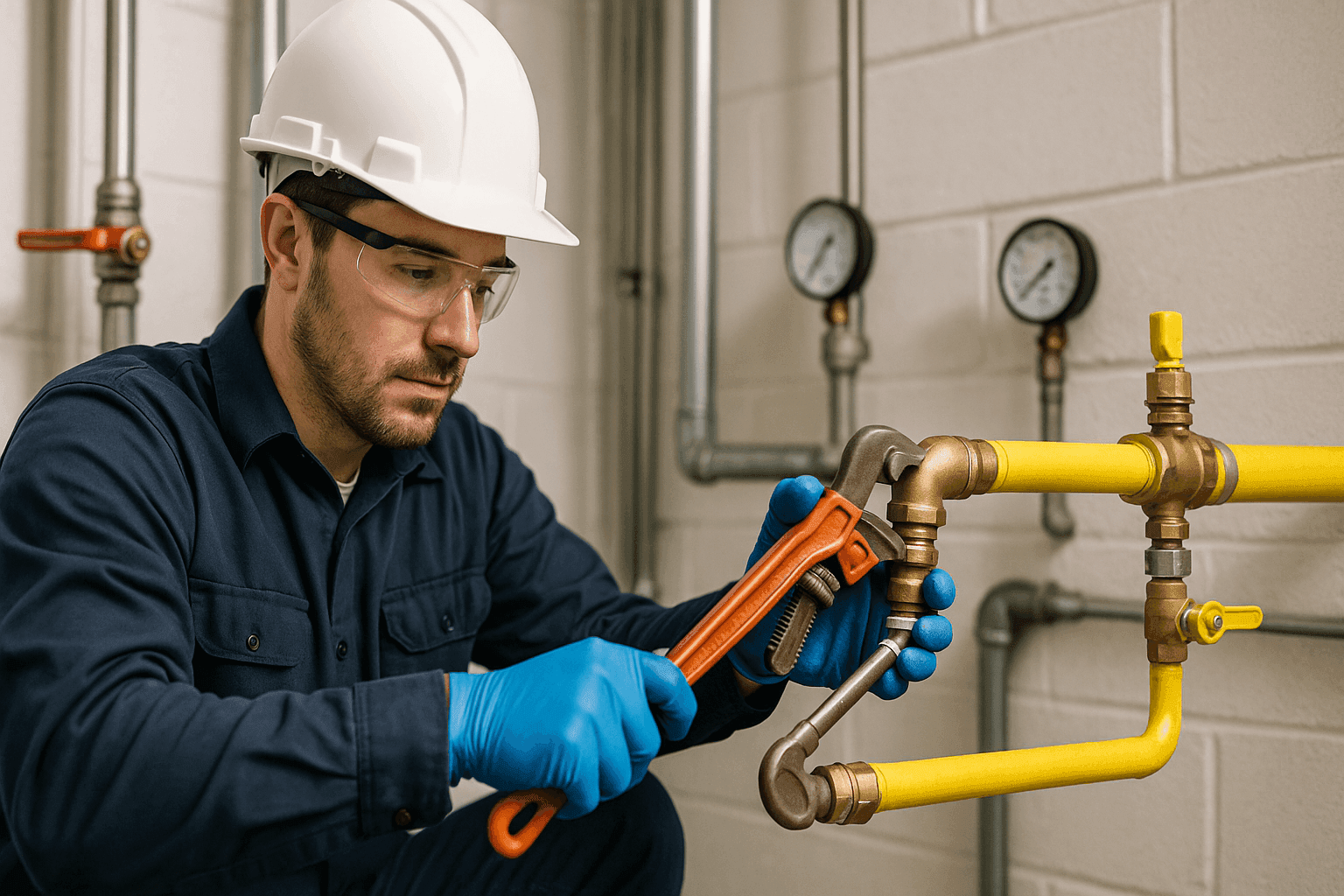
Gas lines power everyday essentials. Stoves, water heaters, and even commercial boilers run on safe, steady flows of gas. But setting up a new gas line is more than just connecting pipes—every step has to be right. Why? Because gas is invisible and unforgiving. A tiny leak can turn into a big problem fast.
At Rafi Plumbing, we see the results when shortcuts are taken. That’s why we do things by the book. Whether you’re a homeowner or a business owner, understanding the process means safer buildings and peace of mind.
Planning Your Gas Line
Every job starts with a plan. Think of planning a gas line like mapping out a safe route through a busy city—one wrong turn, and you’re in trouble.
- Usage: What appliances need gas? Water heater installation near you? Commercial ovens? List everything.
- Location: Where will the line run? Indoors, outdoors, underground? Each path has its own rules.
- Capacity: Is the existing system up to the task? Overloading a line is like plugging too many devices into one outlet—dangerous.
- Future needs: Leave room in the plan for future appliances. It’s easier now than later.
Professional plumbers use detailed diagrams, factoring in pipe size, material, and the safest route. Cutting corners on planning is like guessing the weather—risky and unreliable.
Safety & Permits 🛑
Working with gas means respecting the rules. National and local codes (like the International Fuel Gas Code and National Fire Protection Association standards) set strict guidelines. You can’t just grab a wrench and go.
Here’s what matters most:
- Permits: Most cities require permits for new gas lines or major changes.
- Licensed Pros: Only licensed plumbers or gas fitters should handle installation. It’s the law in most places.
- Inspections: Every new line must be inspected by a certified official before use.
- Materials: Only approved pipes and fittings pass inspection. No shortcuts.
- Documentation: Detailed records and diagrams are kept for future reference.
Permits aren’t just paperwork—they keep everyone safe. If something goes wrong and you skipped permitting, insurance won’t cover the damage.
Installation Best Practices 🔧
A gas line is more than just a pipe under the floor. Here’s how the pros do it right:
Selecting Materials
- Black iron or steel: Standard for most indoor runs.
- Copper: Used in some areas, but not for natural gas in many states.
- Flexible connectors: For appliances, but must be approved types.
Steps in the Process
- Shut Off Main Supply: Always. No exceptions.
- Measure & Cut: Every inch matters. Too long or too short can cause leaks.
- Clean & Prep: Pipes and threads must be spotless.
- Seal Joints: Use approved pipe dope or tape—never generic products.
- Secure Pipes: No loose lines. Everything is strapped and supported.
- Test for Leaks: The whole line is pressurized and checked with soapy water or electronic sniffers.
It’s methodical, like building a bridge. Every bolt, every weld, every joint is checked.
Post-Installation Checks ✔️
When the work is done, the real test begins.
- Pressure Testing: The line is filled with air or inert gas and monitored. Any drop means a leak.
- Inspection: A city or county inspector reviews everything. Only after approval can the gas be turned on.
- Initial Burn: Appliances are lit and checked for proper operation.
- Final Walkthrough: The entire route is checked for smell, noise, and visual clues.
These checks aren’t just for show. They catch problems before they become emergencies.
Emergency Plumbing: When Every Second Counts
Gas leaks move fast. If you ever smell rotten eggs or hear a hissing sound, treat it as an emergency. Get everyone out, avoid switches or flames, and call emergency plumbing services right away.
Rafi Plumbing is fully licensed and certified to handle gas emergencies for homes and businesses. Our team carries up-to-date licenses, follows all local and national codes, and runs regular training on the latest safety protocols.
Practical Tips for Homeowners & Property Managers
- Never ignore a gas smell. Leave the building and call for help.
- Know where your shut-off valve is. If safe, turn it off in an emergency.
- Don’t store flammable items near gas lines.
- Schedule annual inspections. Especially if you have older piping.
- Only let licensed pros work on gas lines. It’s not a DIY project.
For official safety guidelines, refer to the International Fuel Gas Code and your local building department.
FAQ: Gas Line Installation
How long does gas line installation take?
Small jobs, like a water heater installation near you, might take a few hours. Larger projects or commercial kitchens could take a day or more—especially when inspections are required.
Do I need to be home for the installation?
Yes, someone should be present for access and safety checks.
What if my building is older?
Older buildings often need pipe upgrades or repiping to meet current safety codes.
Who handles the inspection?
A municipal or county inspector, not the installer, gives the final approval.
Local & Seasonal Considerations 🌦️
Cold weather means more demand for gas appliances. In some areas, frozen ground can slow down underground installation. Always check local seasonal guidelines for digging and permit timing.
Final Thoughts
Safe, legal gas line installation isn’t just a checklist—it’s your shield against disaster. Whether you’re installing a new line for a commercial kitchen or replacing aging pipes at home, every step counts.
Questions or need emergency plumbing?
Call Rafi Plumbing now — or reach us anytime at 888-600-0415 .