Garbage Disposal Repair: Quick Fixes for Common Issues
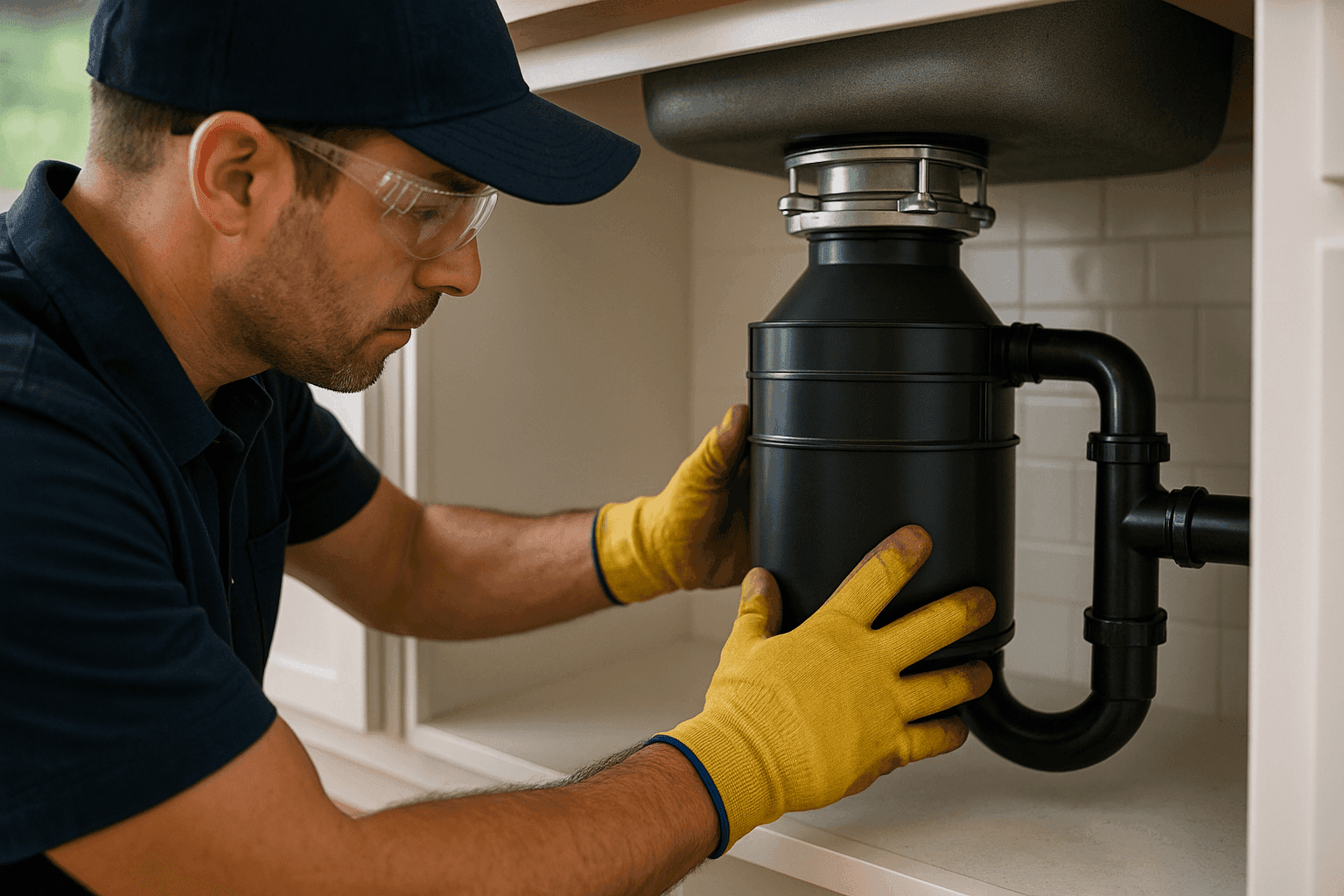
Garbage disposals are kitchen workhorses—until they suddenly grind to a halt, buzz loudly, or start leaking under the sink. When that happens, the disruption is immediate. Dishes pile up. Odors creep in. Frustration builds fast.
At Rafi Plumbing, we understand how urgent these moments can feel. Whether your kitchen is at home or in a bustling restaurant, a broken disposal can throw off your whole day. Let’s walk through what you can do right now to get things moving again—and how to stay safe along the way.
Common Problems
Garbage disposals are pretty simple machines, but they can develop a few classic issues:
- Jams: Something hard (like a spoon or bone) is stuck, and the unit hums but doesn’t spin.
- Clogs: Food waste or debris blocks the drain, causing slow draining or standing water.
- Leaks: Water appears under the sink, often from joints or the unit itself.
- Loud or Unusual Noises: Grinding, rattling, or metal-on-metal sounds signal trouble.
Think of your disposal like a car’s engine. If you hear odd noises or it just stops, don’t keep pushing—it may do more damage.
DIY Quick Fixes
Before you reach for the phone, try these step-by-step solutions. Always stay within your comfort zone. If something feels off, stop and call for help.
1. Reset the Disposal
Sometimes, disposals just need a reset—like restarting your phone.
- Turn Off Power: Flip the wall switch off. Unplug the disposal if you can reach the plug beneath the sink.
- Press the Reset Button: Look for a small red or black button on the bottom or side of the unit. Press it firmly.
- Restore Power: Plug back in and flip the wall switch. If it hums or works, you’re done.
2. Unjam the Blades
If you hear a hum but no grinding, the blades may be stuck.
- Turn Off Power Completely. Unplug the unit or shut off the breaker.
- Use the Allen Wrench: Most disposals come with a small hex (Allen) wrench. Insert it into the slot underneath and turn back and forth to free the blades.
- Remove the Jam: Peer inside with a flashlight (never your hand). Use tongs or pliers to pull out any object.
3. Clear a Clog
Slow drains? Try a classic fix.
- No Chemicals. Avoid harsh drain cleaners—they can corrode pipes and the unit.
- Plunge Gently: Use a sink plunger with water in the basin. Give a few firm plunges.
- Flush with Hot Water: Run hot water for a couple of minutes to move debris through.
4. Quiet Down the Noise
If you hear rattling or grinding, turn off the unit and check for:
- Metal objects (spoons, bottle caps)
- Broken glass or bone fragments
- Loose mounting screws
Remove any object with tongs—not your fingers.
5. Stop the Leak
Leaks often come from:
- Sink flange: Where the disposal meets the sink.
- Discharge pipe: Where the pipe connects to the disposal.
- Body cracks: Time for a new unit.
Tighten any visible bolts or screws. If water still drips, it’s time to call.
Safety First ⚠️
Disposals are electrical appliances with sharp, fast-moving parts. A careless moment can lead to injury. Here’s how to keep things safe:
- Never put your hand inside the disposal. Use tongs or pliers.
- Power off at the source. Unplug the unit or shut off the breaker before any repair.
- Keep water away from wires to avoid electric shock.
- Read the manufacturer’s guide for your specific disposal model.
- Follow local codes (see International Association of Plumbing and Mechanical Officials and National Electrical Code for guidance).
If you’re ever unsure, don’t risk it—professional help is just a call away.
When to Call a Pro
Some jobs are best left to the pros—especially when:
- Resetting and unjamming don’t work.
- There’s a burning smell or visible smoke.
- The leak is inside the unit itself.
- The circuit breaker trips repeatedly.
- You hear grinding after removing foreign objects.
- Water backs up into other fixtures (dishwasher, other sink).
These are signs of deeper trouble—like electrical faults, motor burnout, or drain line blockages. Rafi Plumbing’s emergency plumbing service can tackle these complex issues safely and quickly.
What Pros Do On Arrival
When we show up, here’s what you can expect:
- Thorough Safety Check: Power off, inspect for hazards.
- Inspect and Test: Identify the root cause using specialized tools.
- Disassemble if Needed: Remove the unit from the sink, check inside.
- Repair or Replace: Fix electrical connections, seals, or swap in a new disposal if needed.
- Check Drainage: Flush lines, make sure everything flows smoothly.
- Review with You: Walk you through what happened and how to prevent it.
We’re trained to spot problems that others might miss, from hidden leaks to improper wiring or code violations.
Prevention & Maintenance
A little care goes a long way. Here’s how to keep your disposal humming:
- Run cold water before, during, and after use.
- Feed waste slowly—not all at once.
- Avoid hard objects: No bones, pits, or shells.
- Skip fibrous foods: No celery, corn husks, or onion skins.
- Clean monthly: Grind ice cubes and a little lemon peel for freshness.
- Check for leaks under the sink regularly.
Following these habits will help your disposal last longer and prevent most jams or clogs.
Costs & Time Factors
Repairing a garbage disposal is usually quick—often under an hour. Swapping in a new unit for severe damage or leaks can take a bit longer, especially if pipes or wiring need adjustment.
- Simple resets and unjamming: 10–30 minutes (DIY or pro)
- Minor leak repairs: 30–60 minutes
- Full replacement: 1–2 hours
Costs vary by part and labor. Complex repairs (like electrical issues) may take more time and require code inspections. For the most accurate estimate, we’ll assess right on site.
When It’s an Emergency
Some garbage disposal issues can’t wait:
- Water flooding your cabinets or floor
- Electrical sparks, smoke, or burning smell
- Multiple fixtures backing up at once
- Disposal won’t shut off
Flooding and electrical danger pose risks to your property and safety. In these moments, our emergency plumbing team is ready 24/7 to help, whether it’s garbage disposal repair, Water Heater Installation near you, or any urgent plumbing need.
FAQ
Can I use my garbage disposal with a septic system?
Yes, but use sparingly—consult your local plumbing codes or a licensed plumber for details.
Why does my disposal smell bad?
Food debris can linger. Clean with ice, citrus peels, or a mild baking soda/vinegar mix.
Is it safe to use hot water with my disposal?
Run cold water during grinding. Hot water can melt fats, which may later solidify and clog pipes.
How long should a garbage disposal last?
Most last 8–15 years with regular use and care.
Local/Seasonal Considerations 🌦️
In some areas, freezing temperatures can cause pipes to contract and leak at connection points. Heavy holiday use (think: big family dinners or catering events) can also mean more jams and clogs.
- Before holiday gatherings: Run extra water and avoid overloading.
- In winter: Check for leaks as pipes expand and contract.
- In older homes: Watch for weakened seals or outdated electrical connections.
Remember, plumbing codes and safety regulations may vary by location, so always check with your local building department or refer to the International Association of Plumbing and Mechanical Officials.
A garbage disposal breakdown doesn’t have to derail your day. For safe, reliable repair—day or night—Rafi Plumbing is here to help.
Call Rafi Plumbing now — or reach us anytime at 888-600-0415 .