Eco-Friendly Plumbing Upgrades That Save Money
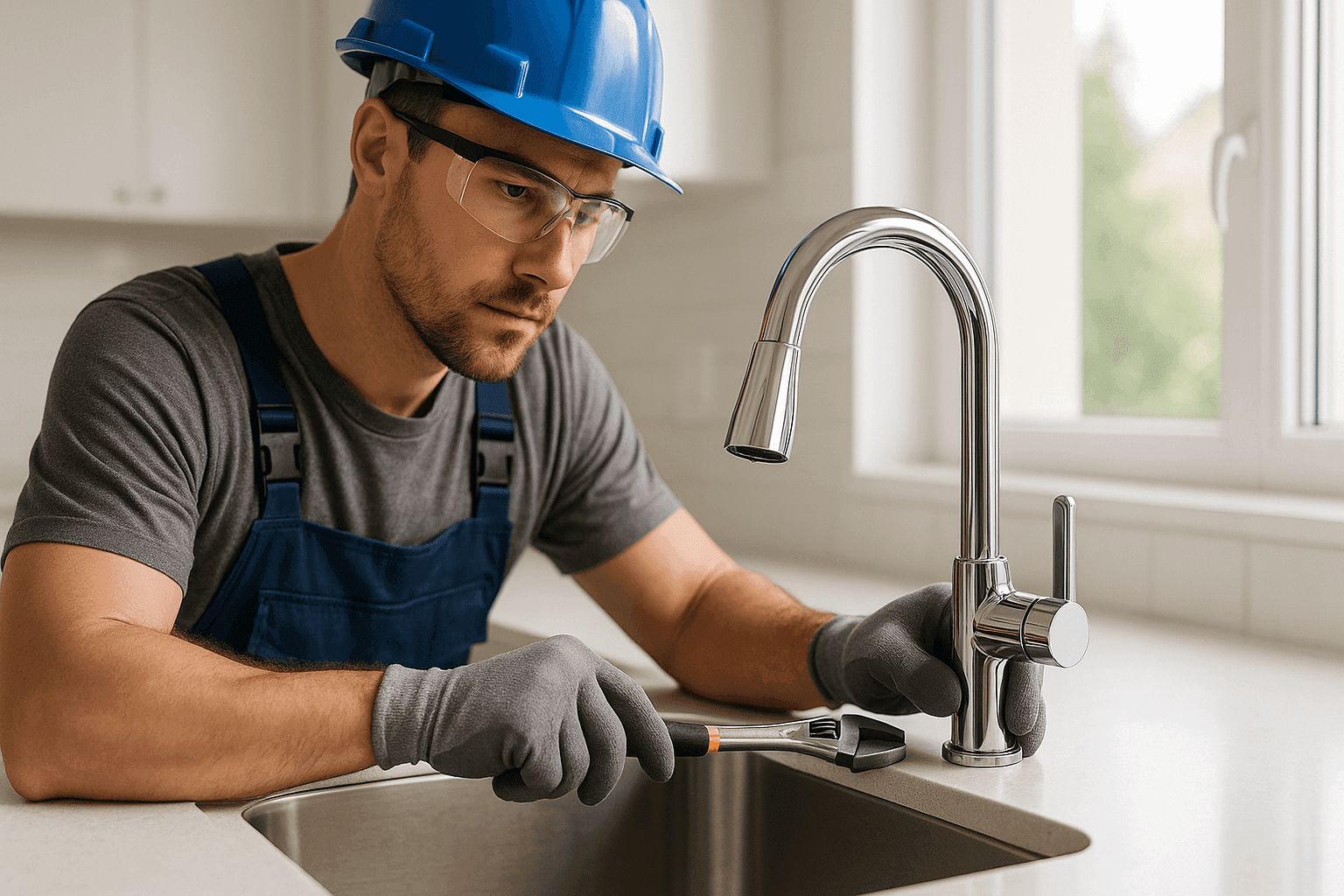
Is your water bill creeping up, but your habits haven't changed? Or maybe you’re worried about the environmental footprint of your home or business. You’re not alone. Many families and property managers want to save money and help the planet—but don’t know where to start.
At Rafi Plumbing, we meet people every week who want real solutions. The good news? Eco-friendly plumbing upgrades can shrink your bills and your worries, without sacrificing comfort or safety. Let’s dig into what works, what saves, and what’s worth your time.
Benefits of Eco-Friendly Plumbing 🌱
You don’t need to live off the grid or take cold showers to make a difference. Eco-friendly plumbing is about smarter choices that ripple out—cutting costs, preventing headaches, and protecting our shared resources.
Why make the switch?
- Lower water bills: Every drop saved is money in your pocket.
- Energy efficiency: Less hot water wasted means lower energy bills.
- Long-term property value: Green upgrades make homes and businesses more attractive.
- Peace of mind: Fewer leaks, less waste, lower risk of water damage.
- Rebates and incentives: Many cities and states offer money back for high-efficiency fixtures and appliances. Check with local authorities or the EPA’s WaterSense program for details.
- Smaller carbon footprint: Saving water means saving the energy used to treat, heat, and move it.
It’s like switching from a gas-guzzler to a hybrid car. The savings stack up, month after month.
Upgrade Options
The world of eco-friendly plumbing is bigger than you might think. Here’s where to start:
High-Efficiency Fixtures
Think of fixtures as the “light switches” of your water use. The right ones cut waste every time you turn them on.
- Low-flow toilets: Modern models use as little as 1.28 gallons per flush—less than half the old standard.
- Water-saving faucets and showerheads: Many cut flow by 30% or more, but you won’t notice a weak trickle.
- Dual-flush mechanisms: Choose just enough water for each flush. Simple, smart, effective.
Leak Detection Systems
Leaks are sneaky. A single dripping faucet can waste over 3,000 gallons a year—enough to fill a small pool.
- Acoustic leak detectors: These gadgets “listen” for hidden leaks in walls or under floors.
- Smart water monitors: Track your water use in real time and send alerts if something looks wrong—like a burst pipe while you’re on vacation.
- Automatic shut-off valves: Stop leaks in their tracks, automatically, before they become disasters.
Sustainable Pipe Materials
Pipes aren’t all created equal. Old materials like galvanized steel can rust and waste water.
- PEX piping: Flexible, durable, and less prone to leaks.
- Copper: Recyclable and long-lasting, though best installed by a pro.
- Recycled-content PVC and CPVC: Newer formulas are safer and more sustainable.
Water Filtration and Backflow Prevention
Clean, safe water is non-negotiable. Upgrades here protect you and the environment, too.
- Whole-house water filtration: Reduces contaminants and the need for bottled water.
- Backflow prevention devices: Block dirty water from re-entering your clean supply—a code must in many areas.
Smart Water Heaters
Heating water is one of the biggest energy drains in any building.
- Tankless water heaters: Heat water on demand—no more wasting energy on standby.
- High-efficiency traditional heaters: Insulated tanks and controllable thermostats save on every shower.
- WiFi-enabled controls: Adjust temperature and schedules remotely.
How Much Can You Save?
Let’s talk real numbers. Upgrading your plumbing is like patching holes in a bucket. The less you lose, the more you keep.
Typical Savings:
- Low-flow toilets: Save up to $110 per year (EPA WaterSense).
- Efficient showerheads/faucets: Cut $50–$150 annually on water and energy.
- Leak detection: Stopping one “silent” leak can save hundreds—sometimes thousands—on water bills and prevent costly repairs.
- Tankless water heaters: Use up to 34% less energy for homes using 41 gallons or less of hot water daily (U.S. Department of Energy).
ROI and Payback:
- Many upgrades pay for themselves in 1–3 years.
- Rebates for WaterSense-labeled products or high-efficiency appliances can knock down upfront costs.
Think of each upgrade as a faucet you turn down on waste—and up on savings.
Choosing the Right Solutions
Every home and business is unique. What works in a cozy bungalow might be different from a busy restaurant or office park.
Start with a plumbing assessment:
- Find your biggest water and energy drains.
- Prioritize upgrades with the fastest payback.
- Consider local codes—some upgrades are now required for new construction or renovations.
Questions to ask:
- Do you have older pipes or fixtures (pre-1994)?
- Have you noticed higher bills or mysterious water stains?
- Is your water heater older than 10 years?
- Do you want remote monitoring or “smart” features?
- Are you eligible for local rebates?
Remember: Code requirements matter. Upgrades may need to meet standards from the International Plumbing Code (IPC), Uniform Plumbing Code (UPC), or local health departments.
A professional from Rafi Plumbing can walk you through the options—no pressure, just real talk.
Practical Tips for Homeowners & Businesses
- Check for leaks monthly: Read your water meter before and after a no-use period (like overnight). If it moves, you’ve got a leak.
- Insulate pipes: Especially hot water pipes—saves energy and prevents freezing.
- Install aerators: Cheap and easy way to cut faucet flow.
- Upgrade in phases: Start with the biggest “water hogs” and move down the list.
- Keep up with maintenance: Regular checkups catch small problems before they grow.
FAQ: Eco-Friendly Plumbing Upgrades
Q: Do low-flow fixtures really work, or will I notice weaker water pressure?
A: Modern WaterSense-labeled fixtures are engineered for strong performance. Most users can’t tell the difference—except on their bills.
Q: What’s the best first upgrade for a tight budget?
A: Fix leaks and install aerators. Both are inexpensive and can save 10–20% on water use right away.
Q: Are there risks with smart water monitors?
A: Like any device, they need proper installation and a reliable WiFi connection. Choose certified products that meet industry standards, and follow manufacturer instructions.
Q: How do I find out about rebates?
A: Check your city or state’s water utility website, or visit EPA’s WaterSense rebate finder.
Local & Seasonal Considerations
Climate and seasons affect plumbing. In colder areas, insulated pipes and efficient water heaters prevent winter disasters. In drought-prone regions, water-saving upgrades aren’t just smart—they may be required by code.
Wherever you are, emergency plumbing can strike at any time. Eco-friendly upgrades often prevent the most common disasters—burst pipes, hidden leaks, flooded basements—by making your system stronger and smarter.
When It’s an Emergency 🚨
Some problems can’t wait. If you’ve got a burst pipe, a sewer backup, or a gushing leak, don’t gamble—turn off your main water supply and call for emergency plumbing help. Upgrades can wait, but safety comes first.
Ready to Save Water, Money, and Stress?
Upgrading your plumbing isn’t just good for the planet—it’s good for your bottom line, too. Whether you need Water Heater Installation near you or want to future-proof your property, Rafi Plumbing makes it easy.
Call Rafi Plumbing now — or reach us anytime at 888-600-0415 .