Drain Cleaning 101: Preventing Clogs Before They Start
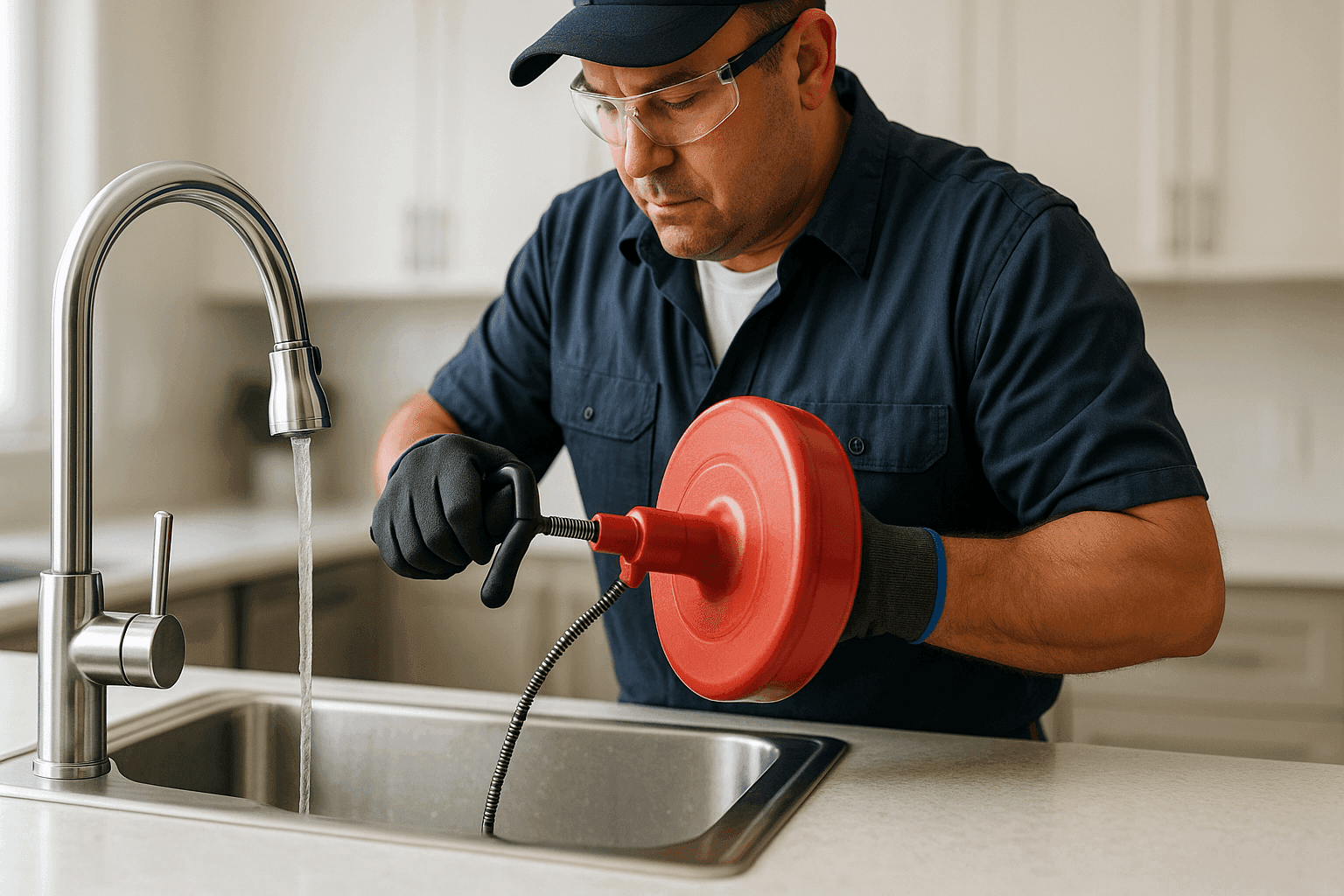
Ever had a sink fill up just as you’re running out the door? Or a shower that turns into an indoor pool? Clogged drains don’t wait for a good time. At Rafi Plumbing, we know a slow drain can turn into an emergency plumbing headache fast—at home or your business.
You want peace of mind, not a mess on your hands. Let’s break down what causes clogs, how to keep pipes clear, and when it’s time to call in the professionals. This is your practical guide to drain cleaning, the safe way.
Common Causes of Clogs 🚰
Clogs don’t happen overnight. They’re more like a snowball rolling downhill—small things stick together, and suddenly, nothing moves.
The Big Offenders
- Grease and Oil: Pouring bacon grease or cooking oil down the kitchen sink? It coats pipes like glue, catching everything in its path. Over time, your drain narrows until it’s barely a trickle.
- Hair: In showers and bathroom sinks, hair acts like a net. It tangles, traps soap, and before long, you’ve got a hairy situation.
- Soap Scum: Some soaps contain fats that combine with minerals in water, forming a hard, sticky residue. Think of it as plumbing plaque.
- Food Debris: Even with a garbage disposal, starchy foods (like rice or pasta) swell up and block the lines.
- Foreign Objects: Cotton swabs, wipes, children’s toys—anything that isn’t water or waste has no business in your drains.
- Mineral Buildup: Hard water leaves behind tiny mineral deposits. Over months, they layer up, shrinking the pipe’s diameter.
Prevention Tips
A little prevention goes a long way—like brushing your teeth to avoid cavities.
Everyday Habits
- Scrape Plates: Get food scraps into the trash or compost instead of the drain.
- Use Drain Screens: These simple mesh covers catch hair and debris before they disappear down the pipe.
- Limit Grease: Wipe greasy pans with a paper towel before washing. Collect cooled oil in a container, then toss it.
- Flush Drains: Run hot water for 30 seconds after each use. It helps move things along.
- No "Flushable" Wipes: Despite the label, wipes don’t break down like toilet paper. Toss them in the bin.
Regular Checkups
- Schedule preventative maintenance with a licensed plumber. Pro inspections can spot small issues before they become big ones.
- For businesses, follow local plumbing codes and backflow prevention guidelines for safe operation (see resources from the International Association of Plumbing and Mechanical Officials).
Safe Cleaning Methods
You don’t need harsh chemicals to keep your drains clear. In fact, they often cause more harm than good.
Try These First
- Hot Water: Boil a kettle, let it cool for a minute, and pour down the drain. It melts away soap and grease.
- Enzyme Cleaners: These eco-friendly products use natural bacteria to break down organic matter. Safe for pipes and the environment.
- Baking Soda & Vinegar: Pour 1/2 cup baking soda, then 1/2 cup white vinegar. Cover and wait 10–15 minutes. Flush with hot water. It fizzes up like a science experiment, helping loosen gunk.
- Plunger: A few strong pumps can free minor blockages.
- Drain Snake (Auger): For stubborn clogs, a manual snake twists through the pipe, breaking up or pulling out debris. Useful for sinks and tubs.
What to Avoid
- Chemical Drain Cleaners: They promise quick fixes but often eat away at pipes, especially older ones. The fumes can be dangerous and they’re tough on the environment.
- Wire Hangers: Unfolding one to poke at a clog may scratch pipes or push the blockage deeper.
When to Call a Pro 🛠️
Sometimes, DIY just isn’t enough. Here’s when it’s time for a professional:
- Multiple Clogged Drains: If more than one drain is slow, the issue could be deep in your main line.
- Water Backups: Sinks or tubs filling with dirty water? That’s a sign of a bigger problem.
- Bad Odors: Persistent sewage smells point to trapped waste or a sewer line issue.
- Frequent Clogs: If you’re treating the same drain over and over, there might be a hidden problem—like tree roots or collapsed piping.
- Standing Water: Water that won’t drain at all can lead to flooding and water damage, especially in basements.
A licensed plumber from Rafi Plumbing can diagnose the issue, use professional tools (like hydro-jetting or camera inspection), and get you back to normal—without risking damage to your plumbing.
Risks of Chemical Drain Cleaners
They look like an easy fix, but chemical drain cleaners often create bigger headaches:
- Pipe Damage: They’re corrosive, especially in older homes with metal or PVC pipes.
- Health Hazards: The fumes can irritate your eyes, skin, and lungs.
- Environmental Harm: Chemicals in these cleaners can seep into local water systems.
- Short Fix: They often punch a hole through the clog, but leave most of it behind. The problem returns.
For safety, follow EPA guidelines and choose mechanical or enzymatic solutions whenever possible.
Benefits of Pro Service
A professional plumber does more than just clear the clog. You get:
- Thorough Inspection: We find out why it clogged—so it won’t happen again.
- Right Tools for the Job: From high-powered augers to hydro-jets, we use what works best for your pipes.
- Eco-Friendly Solutions: Many plumbers use water-based or enzyme products that are safe for your home and the planet.
- Prevention Advice: We’ll show you how to keep things flowing, whether it’s a busy home or commercial kitchen.
Keeping Your Drains Flowing
Drains are like veins in your building—keep them clear, and everything else runs smoother.
Practical Tips
- Monthly Hot Water Flush: Keeps fats and soap moving along.
- Enzyme Treatment: Use once a month in kitchens and bathrooms.
- Professional Inspection: Schedule annual checkups, especially if you’ve had problems before.
- Know Your System: If you’re in an older building, you may need repiping or regular sewer line inspection.
Frequently Asked Questions
How often should I clean my drains?
For most homes and businesses, a monthly hot water flush and occasional enzyme treatment keep things in check. Schedule professional drain cleaning once a year or if you notice slowdowns.
Are “flushable” wipes safe?
No. Even if labeled “flushable,” these wipes don’t break down like toilet paper. They’re a leading cause of clogs. Always throw them in the trash.
My drain smells bad—what should I do?
Try a baking soda and vinegar flush, followed by hot water. If the smell persists, you could have trapped waste or a venting issue. Time to call a plumber.
Is drain snaking safe for all pipes?
Manual snaking is safe for most residential and commercial pipes. Avoid metal wires or aggressive tools that can scratch or puncture piping.
Local and Seasonal Considerations 🏡
Things change with the seasons—and so do plumbing challenges.
- Spring Thaw: Melting snow can overwhelm sump pumps and back up drains. Schedule sump pump repair or maintenance before rainy weather.
- Fall Leaves: Outdoor drains and gutters clog easily. Keep them clear to avoid backups.
- Winter Freezes: Pipes and drains can freeze, leading to blockages or bursts. Insulate pipes and keep a trickle of water flowing during cold snaps.
Whether you’re handling a busy household, running a commercial kitchen, or simply want to avoid emergencies, these habits go a long way.
Keeping your drains clear is about more than convenience—it’s about protecting your home, your business, and your peace of mind. If you need help with drain cleaning, Water Heater Installation near you, or a full emergency plumbing response, we’re here 24/7.
Call Rafi Plumbing now — or reach us anytime at 888-600-0415 .