Boiler Repair Basics: When to DIY and When to Call a Pro
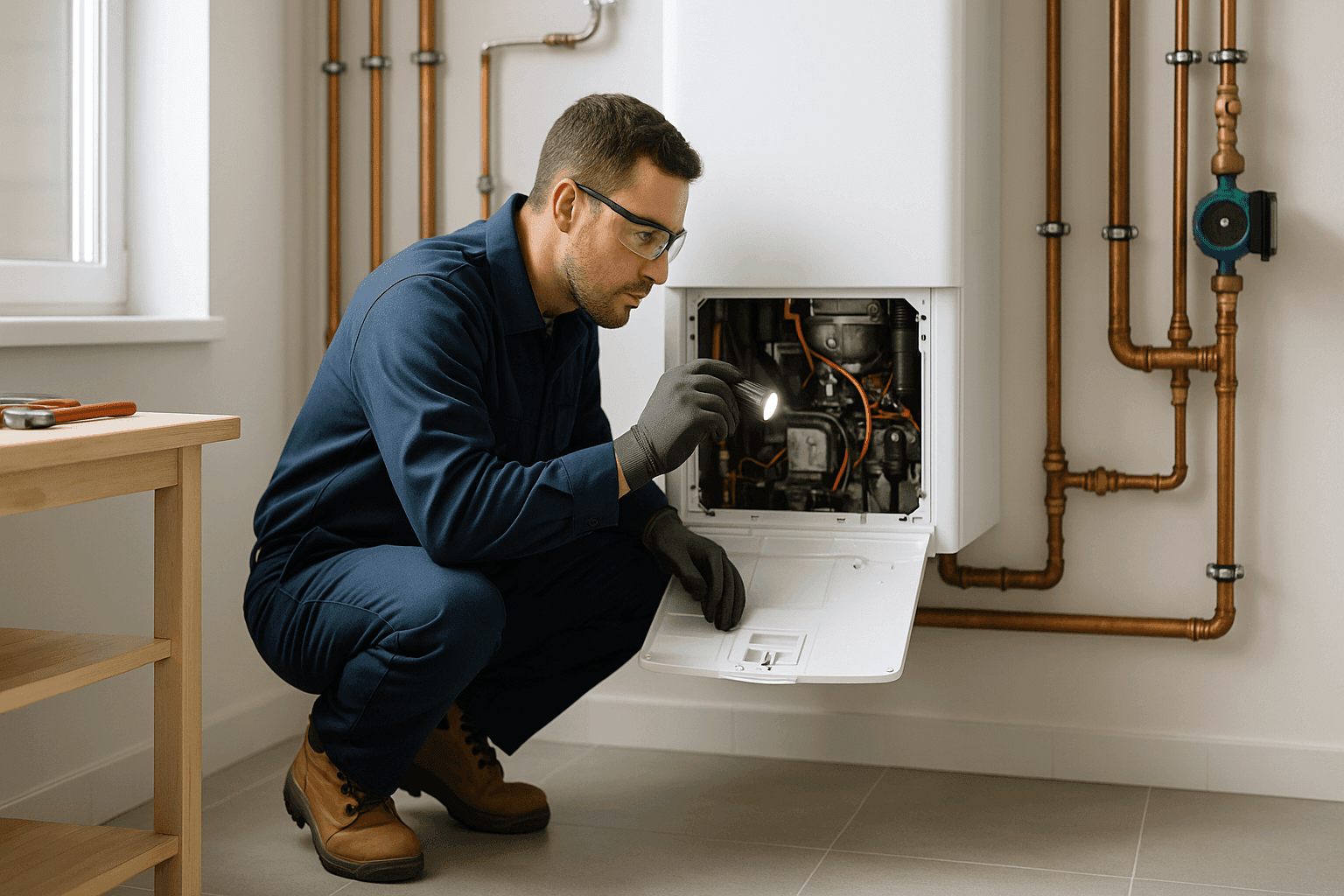
Boiler acting up? Maybe your home feels chillier than it should. Or perhaps you manage a busy office and the heat’s off—literally. When a boiler misbehaves, the urgency is real. At Rafi Plumbing, we know how stressful emergency plumbing situations can be. And we’re here to help you sort out the basics—what you can safely handle, and when it’s time to call in the pros.
Let’s break down common boiler issues, smart troubleshooting, and the crucial safety steps you need to know.
Common Boiler Issues
Boilers are the strong, silent type—until they aren’t. Here are the headaches we see most often:
- No heat or hot water: The room’s cold, the water’s colder. Could be a thermostat, pilot light, or more.
- Leaks and drips: Puddles near your boiler are never a good sign.
- Strange noises: Banging, gurgling, or whistling—like your boiler’s trying to talk.
- Pilot light problems: Won’t stay lit or won’t light at all.
- Low pressure: The gauge shows a number lower than 1 bar.
- Radiators not heating: Some are hot, some are cold, some just don’t work.
- Kettling: Sounds like a boiling kettle—usually from limescale or sludge buildup.
These problems strike both homes and businesses. Left alone, they can go from minor hassle to major emergency plumbing call.
DIY Troubleshooting 🧰
Some boiler hiccups are like a loose shoelace—easy to fix if you know how. Before grabbing tools, grab this list:
- Check the thermostat: Is it set correctly? Batteries fresh?
- Reset the boiler: Some units have a simple reset button. Check your manual.
- Bleed the radiators: If some radiators are cold, trapped air could be to blame. Use a radiator key and a towel.
- Check for power: Is the boiler plugged in? Circuit breaker tripped?
- Inspect the pressure gauge: Most boilers should be at 1–1.5 bar. If low, you may be able to top it up using the filling loop (see your manual).
- Look for visible leaks: Small drips can often be traced to loose valves or joints.
But stop here if:
- You spot signs of gas.
- You smell anything odd (rotten eggs, burning).
- The boiler is making loud, alarming noises.
- Water is gushing, not dripping.
If in doubt, step back. Safety comes first.
When to Call a Pro
Some boiler problems are out of the DIY league. Here’s when to pick up the phone:
- Gas-related issues: Gas leaks, pilot light not staying lit, or carbon monoxide alarms going off. These are serious—don’t risk it.
- Major leaks: Water pooling rapidly or spraying from pipes.
- No power: If the breaker keeps tripping, it could signal a wiring issue.
- Persistent pressure drops: If you top up and it drops again, there’s likely a hidden leak or faulty valve.
- Strange noises persist: Banging, kettling, or whistling that doesn’t stop.
- Boiler won’t start at all: After basic checks, it’s time for pro help.
- Complex repairs: Anything involving internal components, gas lines, or electrical parts.
Remember, in Canada and the US, only licensed professionals should handle gas or major electrical work (see: National Fire Protection Association [NFPA 54], local building codes).
Safety Precautions 🚨
Before you do anything, keep these safety rules close:
- Turn off power: Always shut off electricity to the boiler before touching anything.
- Ventilate the room: Open windows if you suspect gas or fumes.
- Never block vents: Keep airways clear for proper combustion and venting.
- Don’t tamper with gas connections: Ever.
- Wear gloves and eye protection: Even with small jobs.
- Have a carbon monoxide detector: It’s your silent guardian.
- Know your limits: If you’re unsure, stop and call for help.
DIY vs. Call a Pro: The Line in the Sand
Think of your boiler like a car. You might add oil or check the tires, but you wouldn’t rebuild the engine unless you’re a mechanic.
-
Safe for DIY:
- Thermostat checks and adjustments.
- Resetting the boiler.
- Bleeding radiators.
- Topping up pressure (once, if your manual says it’s ok).
- Checking visible, external leaks.
-
Call a Pro for:
- Anything with gas (smells, pilot, valves).
- Electrical faults or repeated power loss.
- Opening the boiler casing.
- Replacing parts (pumps, heat exchangers, valves).
- Repeated leaks or pressure loss.
- Installation or repiping.
Trying to DIY gas or complex repairs is like playing with fire—literally. Licensed plumbers, like those at Rafi Plumbing, are trained for these risks.
What Pros Do On Arrival
Wondering what happens when you call for emergency plumbing help?
- Safety check: Shut off gas/electric, ventilate, check for immediate dangers.
- Diagnosis: Inspect the boiler, test components, read error codes.
- Leak detection: Use specialized tools to find hidden leaks or pressure loss.
- Repairs/replacements: Swap out faulty parts, reseal joints, or replace sections of pipe.
- System test: Restore power, monitor pressure, check for leaks or noises.
- Compliance check: Ensure all work meets local codes and manufacturer guidelines.
Pros have the tools and training to make repairs safely and efficiently, especially for things like Water Heater Installation near you or complex gas systems.
Prevention & Maintenance
A little TLC keeps your boiler humming along:
- Annual service: Have your boiler inspected and serviced yearly.
- Check pressure regularly: Don’t let it run low.
- Bleed radiators every season: Prevent air buildup.
- Keep area clear: Don’t store stuff around your boiler.
- Watch for warning signs: Don’t ignore leaks, noises, or cold spots.
- Install carbon monoxide alarms: Early warning saves lives.
The US Department of Energy recommends yearly professional maintenance for all gas appliances.
Costs & Time Factors
Boiler repairs range widely, depending on the fix:
- DIY tasks: Free to minimal cost (time, maybe a radiator key).
- Basic repairs (by a pro): Can take 1–2 hours for minor leaks or thermostat swaps.
- Major repairs: Complex leaks, part replacements, or repiping could take several hours to a full day.
- Emergency plumbing services: Usually cost more due to urgency, especially after hours.
Always ask for an estimate and timeline before work begins. Remember—fast fixes for gas or water leaks are worth every penny for safety and comfort.
When It’s an Emergency 🚨
Some situations mean you can’t wait:
- No heat in winter: Risk of pipes freezing or business shutdown.
- Major water leaks: Flood risk, property damage.
- Gas smells or CO alarm: Immediate danger—evacuate and call emergency services first, then a licensed plumber.
- Boiler won’t turn off: Risk of overheating or damage.
Don’t hesitate—call emergency plumbing. Safety comes first.
FAQ
What’s the most common cause of boiler breakdowns?
Low pressure, thermostat issues, and pilot light failures are the usual suspects. Annual maintenance prevents most surprises.
Can I fix my own boiler leak?
Small drips from visible joints? You might tighten a valve. Anything more, especially near gas lines or internal parts, needs a pro.
How do I know if my boiler is safe?
Look for warning signs—strange smells, noises, leaks, or pressure drops. Install a carbon monoxide detector close by.
How often should I get my boiler serviced?
Once a year is the industry standard. Schedule before cold weather hits.
Local/Seasonal Considerations
Winter hits hard—pipes freeze, boilers work overtime, and emergency plumbing calls spike. In spring and fall, check your system before the first cold snap. For businesses, schedule routine checks before peak heating season to avoid downtime.
No matter the season, keep boiler areas clear and alarms fresh. Your comfort—and safety—depend on it.
If your boiler is acting up and you’re not sure what to do, don’t risk it. Call Rafi Plumbing now — or reach us anytime at 888-600-0415 . We’re ready for emergency plumbing, water heater installation near you, and all your boiler repair needs, day or night.