Backflow Prevention Devices: How They Work and Why You Need One
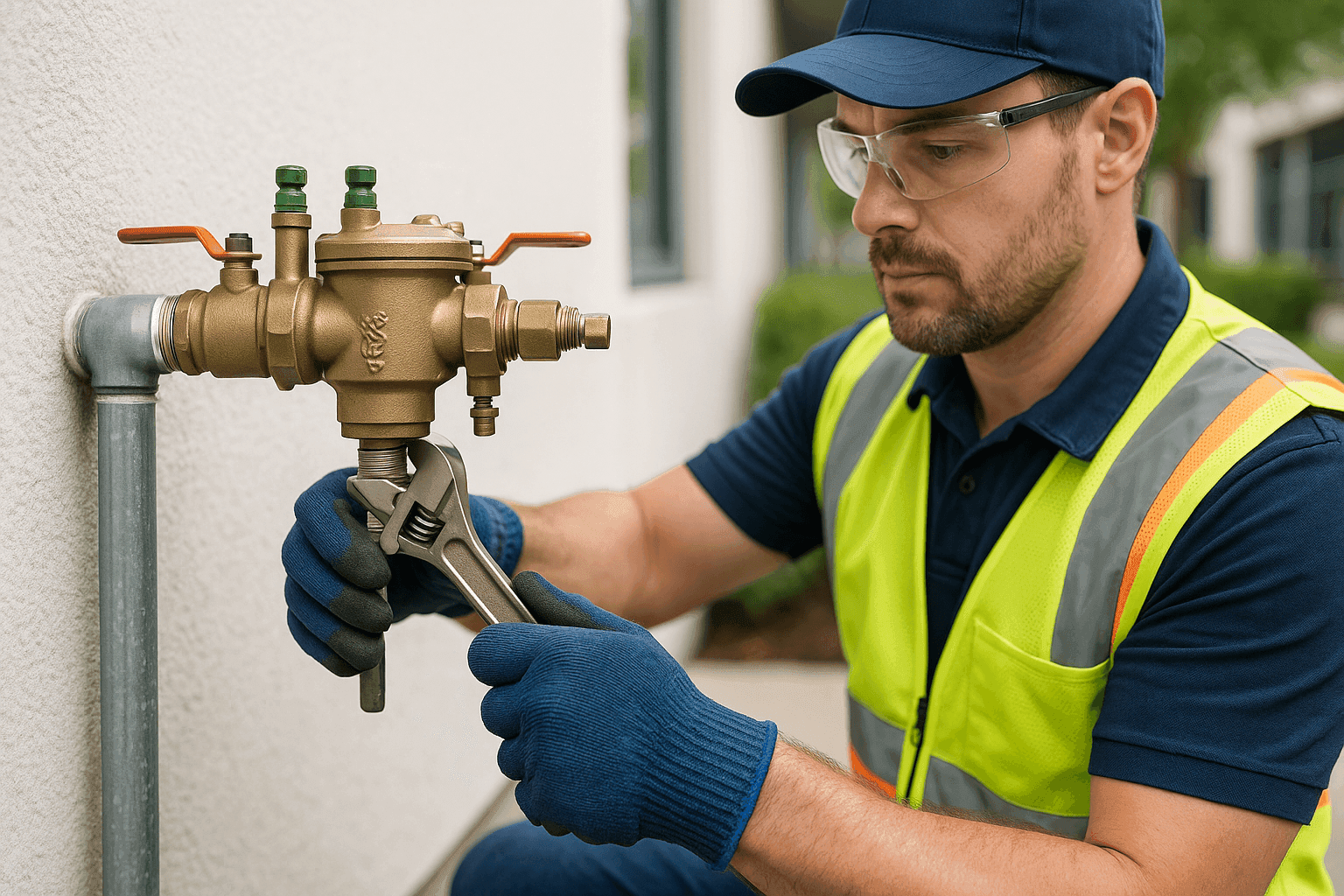
Most people turn on their tap and trust that clean, safe water will pour out. But sometimes, water can flow the wrong way—pulling harmful substances back into your pipes. It’s a hidden risk, but one that’s easy to prevent if you know how.
At Rafi Plumbing, we’ve seen what happens when backflow isn’t stopped in time. Whether you’re running a busy restaurant or relaxing at home, understanding backflow prevention devices could be the difference between safety and a costly emergency plumbing call.
What Is Backflow? 🚩
Imagine a river suddenly reversing direction. In plumbing, that’s backflow—a reversal of water flow that can draw pollutants, chemicals, or bacteria from the ground, sewer, or other sources directly into your clean water. It’s not just about water tasting odd; it can be a serious health risk.
Backflow can happen for several reasons:
- Sudden drops in water pressure (like a burst main or firefighting nearby)
- Cross-connections where clean and dirty water mix (think hoses left in a bucket, or faulty sprinkler systems)
- Backpressure from boilers, pumps, or other systems pushing water the wrong way
A single mistake can let contaminants into your drinking water. That’s why backflow prevention is not just good practice; it’s required by local and national plumbing codes, including the Uniform Plumbing Code and the International Plumbing Code.
Types of Prevention Devices
Not every building is the same, and neither are the solutions. Backflow prevention devices come in a few key types—each with its own job.
Reduced Pressure Zone (RPZ) Assemblies
Think of an RPZ as a security checkpoint for your pipes. Water can only go one way. Inside, two valves work together, with an air gap in between. If pressure drops or something goes wrong, the device automatically vents contaminated water outside instead of letting it sneak into your supply.
Best for: High-risk sites (restaurants, commercial kitchens, medical facilities), anywhere contamination is a big concern.
Double Check Valve Assemblies
Double check valves are like having two locked doors in a hallway. Both need to fail before water can flow backward. These are reliable for medium-risk situations—like apartment buildings, small offices, or irrigation systems.
Best for: Residential homes, low- to medium-risk commercial properties.
Pressure Vacuum Breakers & Atmospheric Vacuum Breakers
These simpler devices protect against backsiphonage. They’re common on garden irrigation and sprinkler systems. If water tries to flow backward, air rushes in and breaks the vacuum—stopping contamination.
Best for: Lawn sprinklers, hose bibbs, outdoor taps.
Air Gaps
Sometimes, the best defense is space. An air gap is just a physical space between your water supply and a possible contaminant. Think of the space between your kitchen faucet and the sink—water can’t jump up into the faucet from a full sink.
Best for: Sinks, dishwashers, commercial kitchen equipment.
Installation Process
Getting a backflow prevention device installed isn’t just about screwing on a part. It’s about precision, code compliance, and protecting everyone who uses your water.
Here’s what you can expect from a professional installation with Rafi Plumbing:
- Assessment: We start by inspecting your property and plumbing setup. Every system is different—commercial buildings, fire suppression systems, and homes all have unique needs.
- Device Selection: Based on your risk level, we recommend the right device (RPZ, double check, etc.).
- Permitting: Most cities require permits. We handle the paperwork so you stay compliant with local laws.
- Installation: Devices are installed at the proper location—usually where water first enters the building or at specific high-risk fixtures.
- Testing: After installation, devices are pressure-tested and certified for safety. Many states require annual recertification by a licensed plumber.
Tip: Never install a backflow prevention device yourself unless you’re licensed and familiar with local codes. Incorrect installation can risk your water—and your neighbor’s.
Maintenance and Testing 🛠️
Backflow devices aren’t “set and forget.” They need regular care to keep protecting your water.
Why Maintenance Matters
Imagine a seatbelt that’s never checked. Over time, parts wear out. Springs weaken. Seals crack. The same is true for backflow devices. Without annual testing and maintenance, you could be at risk—and out of compliance with health regulations.
What’s Involved
- Annual Testing: Most codes (including those from the American Water Works Association and local health departments) require yearly testing by certified professionals.
- Visual Inspections: Check for leaks, corrosion, or damage.
- Valve Operation: Ensure both check valves (in double check or RPZ assemblies) open and close properly.
- Documentation: Keep records for city inspectors and insurance purposes.
Quick tip: Schedule your annual backflow test at the same time each year—just like a fire alarm check.
Why You Need a Backflow Prevention Device
It’s not just about ticking a box for code compliance. The real risk is invisible. Fertilizers, cleaning chemicals, bacteria, or even sewage can ride back into your pipes if you’re not protected. This isn’t just about your home, either. In commercial settings, a single backflow incident can halt business and trigger expensive health investigations.
Plumbing codes require protection for a reason:
- Health: Prevents contaminated water from entering your drinking supply.
- Legal: Fines for non-compliance can be steep.
- Peace of Mind: Know your water is always safe.
What Happens If You Don’t Have One?
It’s like leaving your front door wide open during a storm. Maybe nothing happens. Or maybe you wake up to a mess you can’t clean up alone.
In emergencies—like a burst main or sudden pressure drop—backflow can happen in seconds. Once contamination enters, it’s tough to fix. Cleanup can take days, and water may be shut off until the system is cleared and retested.
Code Requirements & Compliance
Both residential and commercial properties are subject to strict codes:
- Uniform Plumbing Code (UPC)
- International Plumbing Code (IPC)
- Local health department ordinances
Most require backflow devices on:
- Main water service lines
- Fire suppression systems
- Irrigation systems
- Commercial kitchen equipment
Reference: Check your city’s Department of Health or Building Department for specifics. Rafi Plumbing can help you understand what’s required for your address.
Is It an Emergency Plumbing Issue?
Backflow isn’t always obvious. Watch for these danger signs:
- Water tastes, smells, or looks strange
- Sudden drop in water pressure
- Notice from your water utility about contamination
If you spot any of these, call for emergency plumbing service immediately. Contaminated water is a health hazard and should be treated as urgent.
Practical Tips to Protect Your Water
- Never submerge hoses in pools, buckets, or tubs.
- Install vacuum breakers on outdoor faucets and irrigation systems.
- Schedule annual backflow testing with a licensed plumber.
- Know where your main shutoff valve is—close it in emergencies.
Frequently Asked Questions
Do I really need a backflow prevention device at home?
If your plumbing connects to an irrigation system, fire sprinkler, or even just a hose bib, almost every code says yes. It’s not just for big buildings—homes need protection too.
How often should I have my device tested?
At least once a year, or whenever you notice changes in water quality or pressure. Some commercial properties require twice-yearly checks.
Can I install the device myself?
Backflow devices must be installed and tested by a certified professional to meet code. DIY installation can result in hefty fines or unsafe water.
What happens during the annual test?
A plumber shuts off the water, tests each valve for leaks or failures, and documents the results for your records and the city.
Local and Seasonal Considerations 🌦️
- Cold Climates: Freezing temps can crack backflow devices—ask about insulated covers or heated enclosures.
- High-Risk Areas: Restaurants, salons, and medical offices often need higher-level protection and more frequent testing.
- Older Buildings: Plumbing upgrades may be needed to meet the latest code.
The Bottom Line
Backflow prevention devices are silent guardians. They sit quietly in the background, stopping contamination before it starts. Whether you’re a homeowner or running a business, installing and maintaining the right device keeps your water safe and your property compliant.
Don’t wait for an emergency. For reliable backflow prevention, Water Heater Installation near you, or any emergency plumbing need—choose a team that’s seen it all.
Call Rafi Plumbing now — or reach us anytime at 888-600-0415 .